


The Emirates Airline Foundation and Emirates Auction have raised AED 8.8 million (USD 2.4 million) through a month-long global auction of rare frequent-flyer memberships, with proceeds earmarked for humanitarian programmes supporting vulnerable children in Kenya and eight other countries. The auction, held between 17 December 2025 and 17 January 2026, attracted more than 900 bids from participants across 131 countries, marking the first collaboration of its kind between the two UAE-based institutions.
Seven rare Emirates Skywards membership numbers carrying Platinum-tier benefits were offered to bidders worldwide. The highest single bid reached AED 1.6 million, with two 20-year Platinum memberships and five 15-year memberships awarded. According to the organisers, 100% of proceeds will be directed towards expanding existing projects and launching new initiatives within the Foundation’s global portfolio.
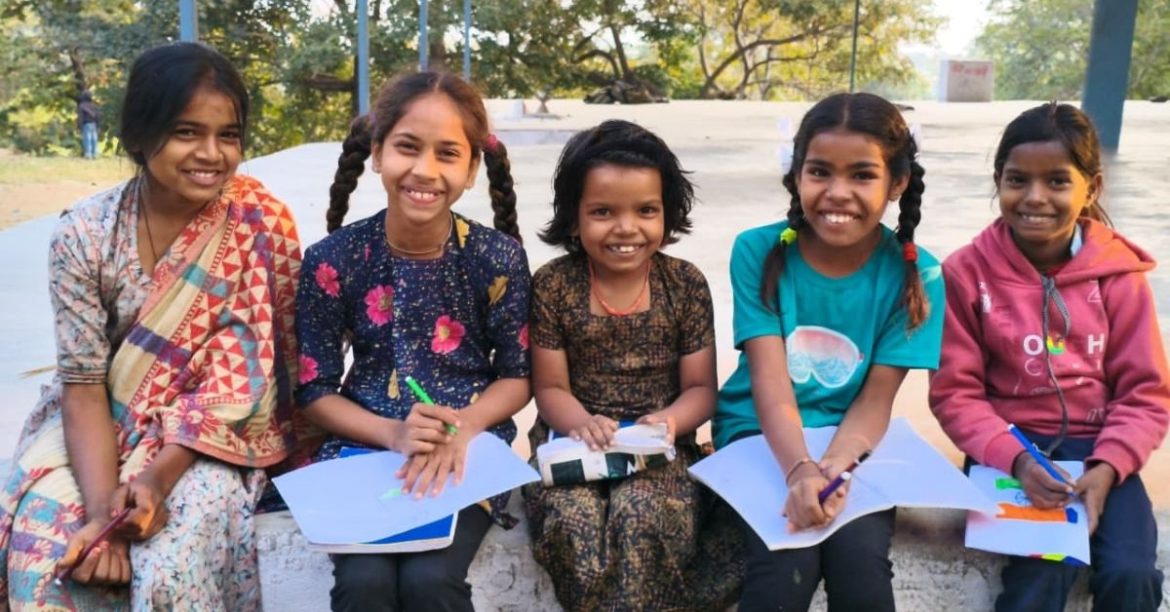
In Kenya, funds are expected to reinforce partnerships with three organisations: Little Prince Nursery and Primary School in Kibera, Alfajiri Street Kids, which runs art therapy programmes for more than 200 children, and Starehe Boys’ Centre, which provides four-year scholarships for academically talented students from disadvantaged backgrounds. The Foundation currently works with 14 non-governmental organisations across nine countries, including South Africa and Zimbabwe on the African continent.
Read also: Jambojet wins global sustainability award for plastic upcycling initiative in Kenya
While the auction centres on a premium aviation product, its implications extend into the economics of philanthropy and development finance. Industry analysts project that high-value charitable auctions have become an increasingly visible mechanism for mobilising discretionary capital from globally mobile, high-net-worth individuals. By linking exclusivity with social impact, institutions are experimenting with hybrid fundraising models that blend brand loyalty with social investment.
For African beneficiary countries, such fundraising flows remain modest in macroeconomic terms but can be material at programme level. In informal settlements such as Kibera in Kenya, for example, small-scale education or psychosocial support programmes often operate with constrained budgets, where incremental funding can translate into additional classrooms, counselling sessions or scholarship placements. According to development economists, predictable multi-year funding is particularly valuable for educational continuity and institutional stability.
Kenya’s broader fiscal environment underscores the relevance of supplementary funding streams. The government continues to face pressure to expand social protection, health and education services while managing debt servicing obligations and climate-related shocks. Although private philanthropic initiatives do not substitute for public expenditure, they can complement state efforts, particularly in areas where community-based organisations fill service delivery gaps.

The Foundation’s funding model is primarily supported by Emirates customers and employees, with nearly all donations channelled directly to programme implementation. In Africa, projects range from early childhood education in South Africa to care facilities for orphaned children in Zimbabwe. The scale of intervention varies, but the emphasis is on housing, healthcare, nutrition and schooling support.
The decision to make the auction an annual fixture signals an intention to institutionalise this funding channel. Organisers say that recurring auctions could create a predictable revenue stream, allowing beneficiary organisations to plan more effectively. However, the sustainability of such initiatives will depend on continued global bidder interest and the broader economic climate, particularly as discretionary spending patterns shift.
This episode also illustrates the growing interconnection between global consumer markets and local development outcomes in Africa. Aviation loyalty programmes, often associated with corporate travel and premium services, are being leveraged to finance grassroots interventions thousands of kilometres away. This dynamic reflects a wider trend in which corporate foundations and private sector actors assume a more prominent role in social development landscapes traditionally dominated by bilateral donors and multilateral agencies.
At the same time, transparency and governance remain central considerations. Development practitioners note that the credibility of philanthropic funding hinges on clear allocation mechanisms, measurable outcomes and alignment with local priorities. In contexts where public trust in institutions can be fragile, accountability in cross-border charitable flows is critical.
The AED 8.8 million raised through the auction represents a fraction of global development finance flows, yet for individual schools or community centres, it may determine whether programmes expand or contract. As African countries navigate fiscal constraints, demographic pressures and climate vulnerabilities, diversified funding sources, including corporate philanthropy, are likely to remain part of the social investment ecosystem.


