


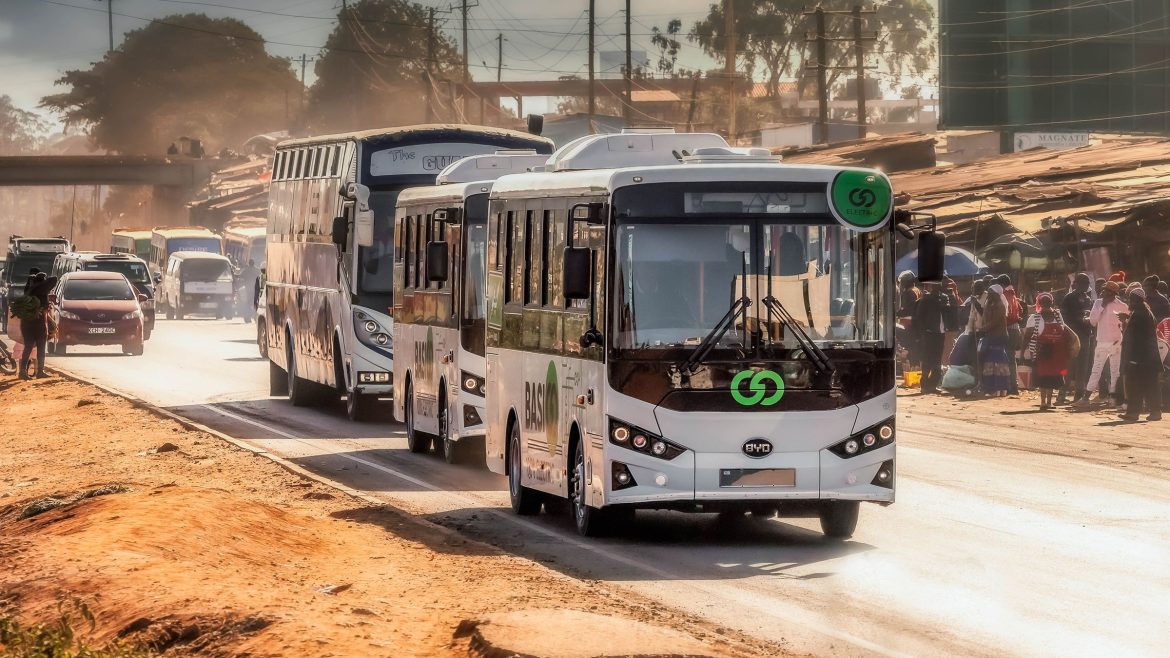
The launch of the Kenya National Electric Mobility Policy in February 2026 marks an important milestone in Kenya’s journey toward cleaner transport. The policy provides a framework to accelerate the adoption of electric vehicles (EVs), expand charging infrastructure and stimulate investment in sustainable mobility.
This shift is timely. Transport remains a significant contributor to greenhouse gas emissions globally, and Kenya has committed to reducing emissions by 32 percent by 2030 under the Paris Agreement. Electrifying transport will therefore be critical to meeting the country’s climate targets.
However, policy frameworks alone will not transform Kenya’s mobility landscape. The transition to electric mobility will require substantial investment in charging infrastructure, grid capacity, vehicle financing and battery technology.
For developing economies, such investments can be costly. Yet the growing pool of global climate finance presents a major opportunity. Institutions such as the Green Climate Fund, the African Development Bank and the Global Environment Facility are increasingly supporting clean transport initiatives across emerging markets.
Climate finance is already beginning to flow into Africa’s electric mobility sector. A recent example is the $50 million investment by Afreximbank, Nithio and the Africa Go Green Fund to expand electric motorcycle battery-swapping networks across African markets, including Kenya. Such investments highlight growing global confidence in electric mobility as both a climate solution and an economic opportunity.
Kenya can also draw lessons from international experiences in Europe, where purchase grants of up to €8,000 for electric vehicles are combined with scrappage programs that encourage motorists to retire older petrol and diesel vehicles. These policies both stimulate demand for EVs and gradually remove high-emission vehicles from the road.’
Kenya could adopt similar approaches, particularly for high-impact sectors such as public transport and boda boda motorcycles, where electrification could significantly reduce fuel consumption and emissions.
At the same time, another trend is unfolding across Kenya: the rapid expansion of petrol stations along major highways. Travelling along the Nairobi–Nakuru corridor, the Nairobi–Mombasa highway or the Nairobi bypass roads reveals new fuel stations emerging every few kilometres.
At first glance, this may appear contradictory to the country’s electric mobility ambitions. However, energy transitions rarely occur overnight. Internal combustion vehicles will remain part of Kenya’s transport system for years, particularly given the continued importation of used vehicles.

Rather than viewing petrol stations as obstacles to the EV transition, they could become part of the solution. Globally, many fuel retailers are transforming traditional petrol stations into multi-energy service hubs that provide both conventional fuels and EV charging infrastructure. For example, TotalEnergies partnered with EV startup Ampersand to launch electric motorcycle battery swapping and charging stations at its service stations.
Kenya could adopt a similar model. Petrol stations are strategically located along highways and urban corridors, have established grid connections and are trusted service points for motorists. Integrating EV charging infrastructure within these stations could significantly accelerate the development of a nationwide charging network.
Oil marketing companies themselves could therefore play an important role in the EV ecosystem by evolving from fuel retailers into broader energy service providers.
Read also: Kenya launches review of environment policy as climate risks intensify
Kenya’s electric mobility ambitions are supported by another major advantage: its clean electricity mix. More than 90 percent of the country’s electricity is generated from renewable sources, meaning electric vehicles can significantly reduce transport emissions compared to conventional vehicles. Kenya Power has also begun electrifying its own transport fleet, deploying electric cars, pickup trucks, and motorcycles to demonstrate the practicality of EVs in Kenya’s operating environment.
The launch of the National Electric Mobility Policy, therefore, represents more than a regulatory milestone. It presents an opportunity to mobilize climate finance, stimulate private sector investment, and position Kenya as a regional leader in sustainable transport.
If supported by strategic policy implementation and innovative financing, electric mobility could reduce fuel imports, create new industries and reshape the future of transport in Kenya


