Africa’s community innovators are increasingly turning waste into opportunity, from discarded plastic and cooking oil to surplus crops; signaling a shift in how the continent is tackling climate, food, and energy challenges from the ground up.
Across four countries, locally led initiatives from coastal Kenya to rural Ethiopia and urban South Africa are now gaining global recognition as finalists in the 2026 awards of the Water Air Food Awards, positioning Africa’s grassroots solutions at the center of the global sustainability conversation.
The finalists, The Flipflopi Project and Komb Green Solutions in Kenya, Lathitha Biodiesel in South Africa, Laboscience in Ethiopia and GreenBox from Congo, represent a new trajectory in African development: one driven less by large infrastructure projects and more by community ingenuity, circular economy thinking, and local job creation.
Winners are expected to be announced during the Generation Green Forum, to be held at the National Museum of Egyptian Civilization in the summer of 2026. But beyond the awards themselves, analysts say the growing visibility of these initiatives reflects a deeper shift in how climate resilience and economic development are being pursued across Africa.
In many African communities, environmental challenges are inseparable from unemployment, food insecurity, and weak waste management systems. What distinguishes these projects is their ability to address multiple problems simultaneously, turning pollution into livelihoods and environmental restoration into economic opportunity.
On Kenya’s northern coast, The Flipflopi Project has spent nearly a decade transforming plastic pollution into a thriving circular economy model in the Lamu Archipelago. Faced with mounting plastic waste that threatened marine ecosystems and tourism livelihoods, community members established the county’s first plastic recovery and recycling facility.
The initiative now collects between 10 and 12 tonnes of plastic each month and has recovered hundreds of thousands of kilograms of waste, converting a portion into durable building materials while creating income opportunities for local residents.
Read also: Cameroon converts 840 tonnes of scrap into jobs as recycling sector moves towards formalisation
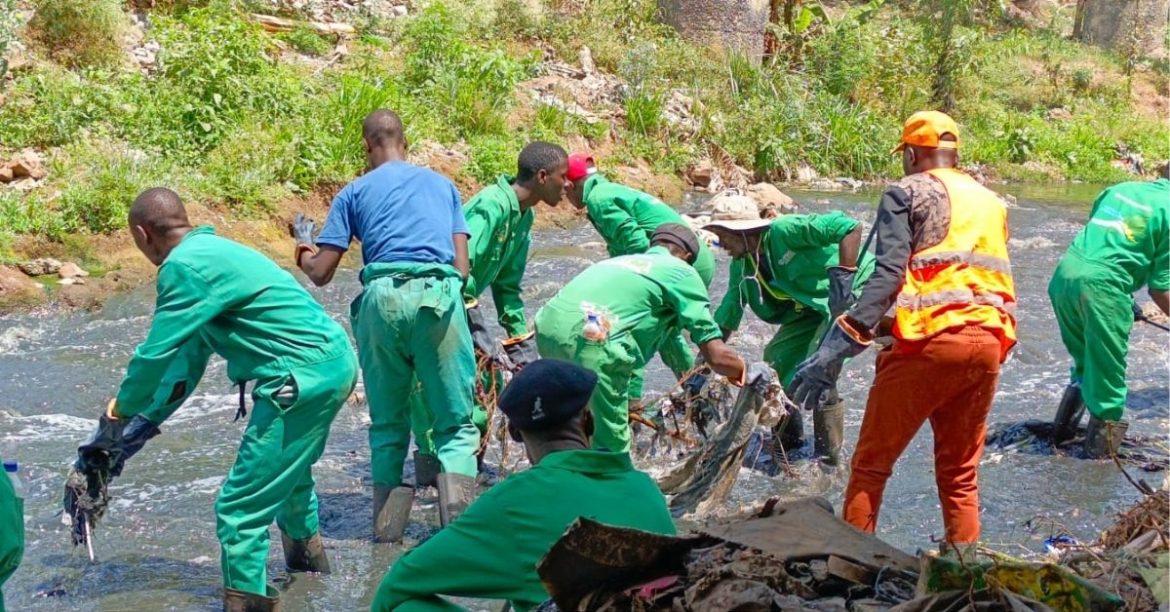
In the capital city of Nairobi, Komb Green Solutions has focused on restoring degraded urban environments in the informal settlement of Korogocho. The youth-led initiative has removed more than 120 tonnes of waste from sections of the Nairobi River, replacing polluted dumping grounds with tree nurseries, kitchen gardens, and safe community spaces.
By converting organic waste into compost and animal feed, the project has created new income streams for young people and women while improving food security in one of the city’s most underserved neighborhoods.
Similar patterns are emerging elsewhere on the continent. In South Africa, Lathitha Biodiesel is tackling pollution from improperly disposed cooking oil while creating green jobs in township communities. According to the project’s press materials, waste oil poured into drains and open sites had been contaminating water systems and clogging sewage infrastructure, posing public health risks and environmental damage.
The initiative responded by establishing a structured collection system that converts used cooking oil into renewable biodiesel, providing both cleaner energy and employment opportunities for young people and women.
The project is now constructing its first commercial-scale biodiesel plant with a projected production capacity of approximately 200,000 litres, a step expected to strengthen its long-term financial sustainability and expand job creation in the clean energy sector.

Further north, in Ethiopia’s agricultural heartlands, Laboscience has addressed a different but equally pressing challenge: post-harvest food waste. In the Gamo Zone, surplus fruits and vegetables often rotted due to a lack of storage and processing facilities, leading to pollution of nearby lakes and reduced fish stocks. The initiative developed a system that converts organic waste into livestock feed, fertilizers, and herbal products, while organizing women farmers into cooperatives that generate income from processing agricultural by-products.
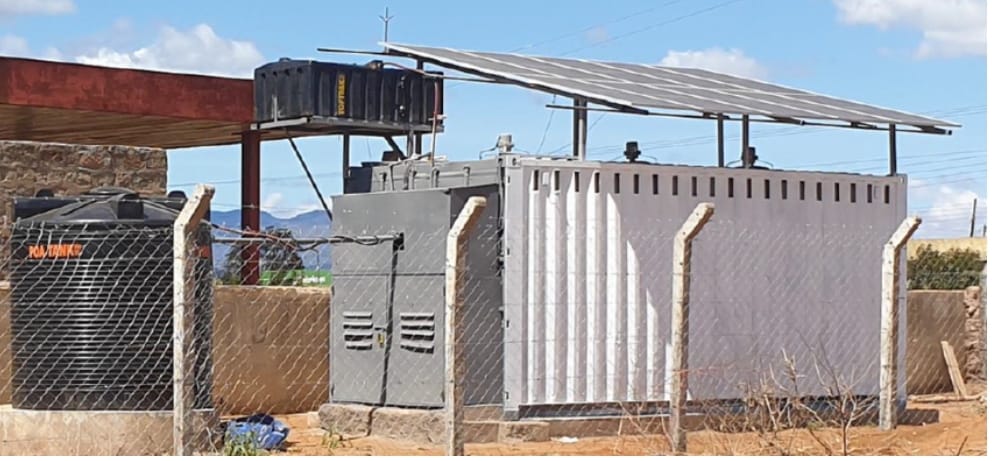
In Congo-Brazzaville, the GreenBox team was also recognized for its solar-powered cold storage solution that is helping farmers reduce post-harvest losses and improve incomes in off-grid communities, highlighting Africa’s growing pipeline of practical, climate-smart innovations.
More than 3,000 women farmers have been trained in waste-to-feed conversion, and over 50,000 tonnes of fruit and vegetable waste have been transformed into useful products, significantly reducing pollution in local water bodies and strengthening household incomes.
Taken together, these initiatives illustrate a growing continental trend toward locally driven climate solutions that combine environmental protection with economic empowerment. Rather than relying solely on government programmes or external funding, communities are increasingly designing their own responses to climate and development challenges using locally available resources.
Development practitioners note that this shift aligns with broader efforts to build resilient economies capable of withstanding climate shocks while creating employment for Africa’s rapidly growing youth population. Circular economy models, where waste materials are reused, recycled, or repurposed, are emerging as a practical pathway to achieve both environmental sustainability and inclusive growth.
As Africa prepares to host the Generation Green Forum in Cairo later this year, the spotlight on these community innovators is expected to intensify. Their stories suggest that the future of sustainability on the continent may not be defined by large-scale technological breakthroughs alone, but by the ingenuity of communities turning everyday waste into engines of resilience, livelihoods, and climate action.