


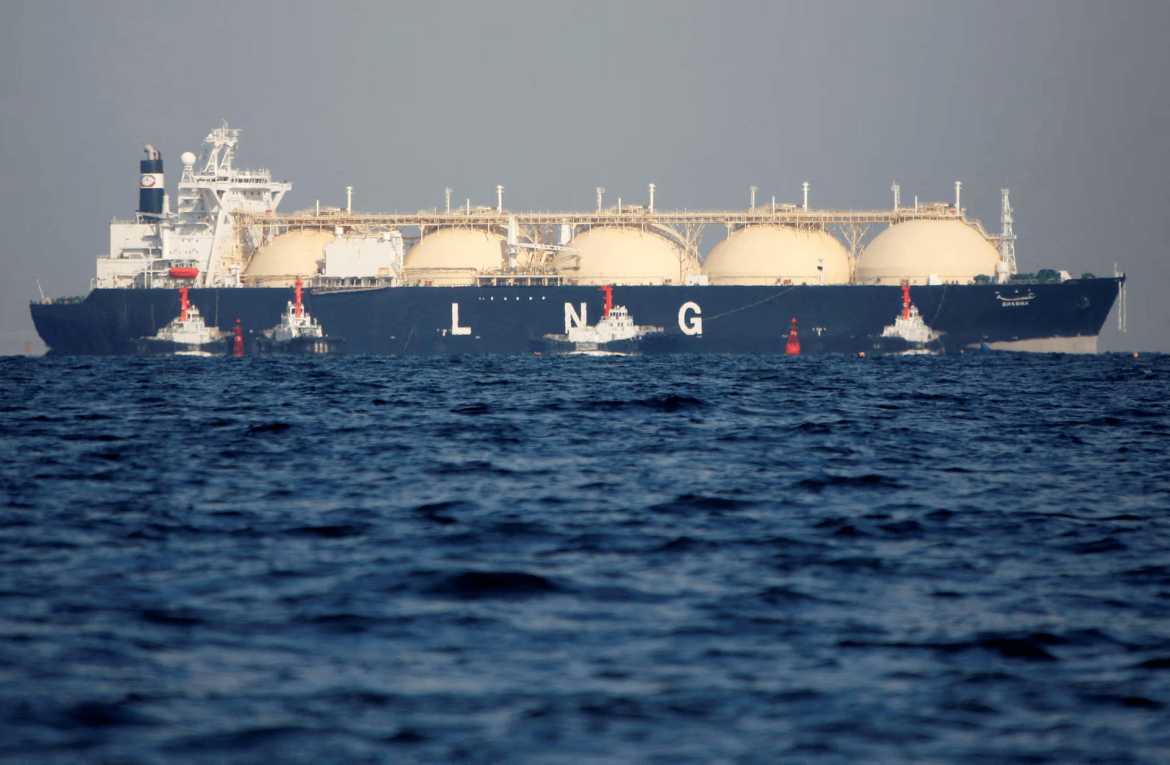
Egypt is accelerating efforts to secure additional Liquefied Natural Gas (LNG) supplies through international tenders as the country confronts widening pressure on its domestic energy system driven by declining natural gas production, rising electricity demand and growing industrial consumption.
Industry reports confirmed on 3 April that the Egyptian Natural Gas Holding Company is seeking to procure between 12 and 20 LNG cargoes to cover anticipated energy demand through the third quarter of 2026, marking a significant shift for a country that had positioned itself in recent years as a regional gas exporter and energy hub in the Eastern Mediterranean.
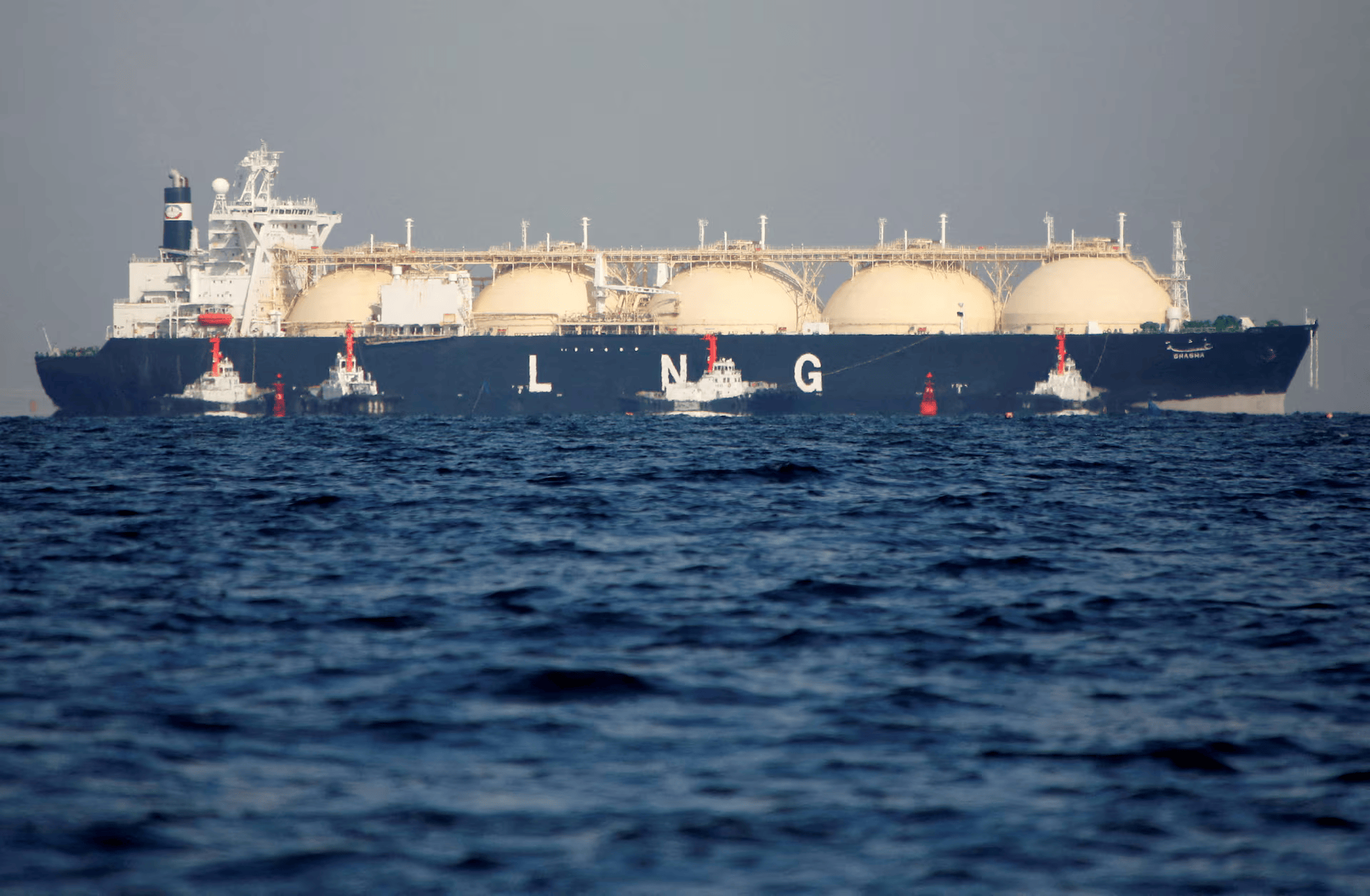
The procurement drive reflects mounting challenges within Egypt’s energy balance as output from major offshore gas fields declines while population growth, urbanisation and industrial expansion continue to increase domestic demand for electricity and fuel.
Natural gas remains central to Egypt’s economy, accounting for the majority of power generation and supporting energy-intensive sectors including fertilisers, cement, manufacturing and petrochemicals. Any disruption to supply therefore carries broader implications for industrial productivity, fiscal stability and economic growth.
The latest import strategy also highlights the growing vulnerability of energy systems across several African economies as governments attempt to manage rising demand while balancing fiscal pressures, infrastructure constraints and long-term energy transition commitments.
To facilitate the anticipated increase in imported LNG volumes, Egyptian authorities have expanded regasification infrastructure, including the deployment of a Floating Storage and Regasification Unit (FSRU) at Ain Sokhna on the Red Sea coast. The facility enables imported LNG to be converted back into gaseous form for integration into Egypt’s national grid and industrial supply network.
Analysts say the reactivation and expansion of LNG import infrastructure signals a more flexible approach to energy security amid increasingly volatile regional and global energy markets.
Egypt’s energy position has also been affected by geopolitical instability affecting regional gas flows. Pipeline imports from neighbouring producers have periodically faced disruptions linked to broader regional tensions, increasing pressure on Cairo to diversify supply channels and strengthen import capacity.
The country’s changing energy profile represents a notable reversal from earlier ambitions to position itself as a regional export and processing hub following major offshore gas discoveries, including the Zohr field in the Mediterranean Sea. However, declining output from mature gas assets and stronger domestic consumption have reduced export availability and intensified concerns over electricity supply reliability.
Ensuring stable gas supply has become increasingly important for Egypt’s economic management as authorities seek to avoid electricity shortages and industrial slowdowns that could undermine broader development objectives.
In recent years, Egypt has experienced periodic power supply pressures during peak summer demand periods, prompting authorities to introduce energy conservation measures and temporary load management strategies in some sectors.
The government argues that securing LNG imports is necessary to maintain energy resilience while continuing investments in renewable energy infrastructure, including large-scale solar and wind projects. Egypt has positioned itself as a regional renewable energy investment destination under its broader energy diversification strategy, though fossil fuels continue to dominate the national energy mix.
For African economies more broadly, Egypt’s experience underscores the complexities of managing energy transitions under conditions of rapid population growth, industrialisation and infrastructure demand. While many African countries are expanding renewable energy capacity, natural gas remains a critical transitional fuel supporting electricity generation, manufacturing and urban development.
The strategy also aligns with wider continental ambitions under the African Union’s Agenda 2063 framework, which identifies energy security and resilient infrastructure as central pillars of long-term economic transformation and industrialisation.
Energy analysts note that the Egyptian case reflects a growing trend among emerging economies toward prioritising energy resilience alongside decarbonisation goals rather than pursuing abrupt fossil fuel reductions that risk undermining economic stability.
At the same time, rising LNG import dependence may increase exposure to global energy price volatility and foreign exchange pressures, particularly as competition for LNG cargoes intensifies across international markets.
Egypt’s current approach therefore reflects a broader balancing act facing many African governments: maintaining reliable and affordable energy access necessary for economic growth while simultaneously navigating climate commitments, infrastructure investment needs and changing global energy dynamics.
https://www.aecweek-registration.com/2026/?repid=.
Authorities have indicated that the current LNG procurement programme forms part of a wider strategy that includes increased exploration activity, grid modernisation and efficiency improvements aimed at restoring longer-term equilibrium within Egypt’s energy system.
Industry observers say the effectiveness of that strategy will likely depend on Egypt’s ability to sustain investment flows into both conventional and renewable energy infrastructure while managing the fiscal and operational costs associated with growing import requirements.


