


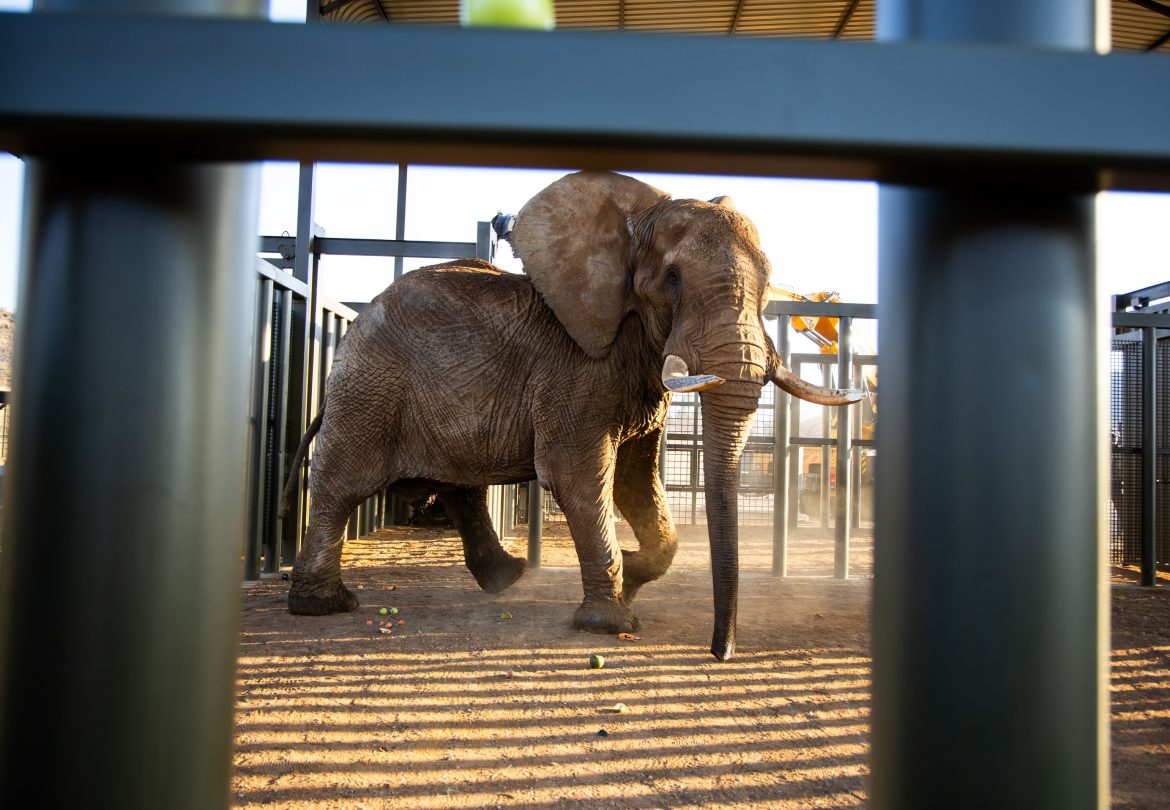
A South African court is this week hearing a closely watched case over the welfare of three elephants housed at Johannesburg Zoo, in a legal challenge that could reshape how animal welfare, conservation governance, and public accountability are interpreted under the country’s constitutional framework. Animal welfare organisations argue that the elephants are suffering psychological distress and should be relocated to a larger conservation environment better suited to their behavioural and social needs, while the publicly owned zoo maintains the animals are healthy and appropriately managed.
The case, brought by advocacy groups including Animal Law Reform South Africa, centeres on whether state authorities are meeting their legal obligations to protect the welfare of captive animals. According to the applicants, the elephants, named Lammie, Ramadiba, and Mopane, are being kept in conditions that fail to meet the environmental and social requirements associated with highly intelligent and socially complex wildlife species.
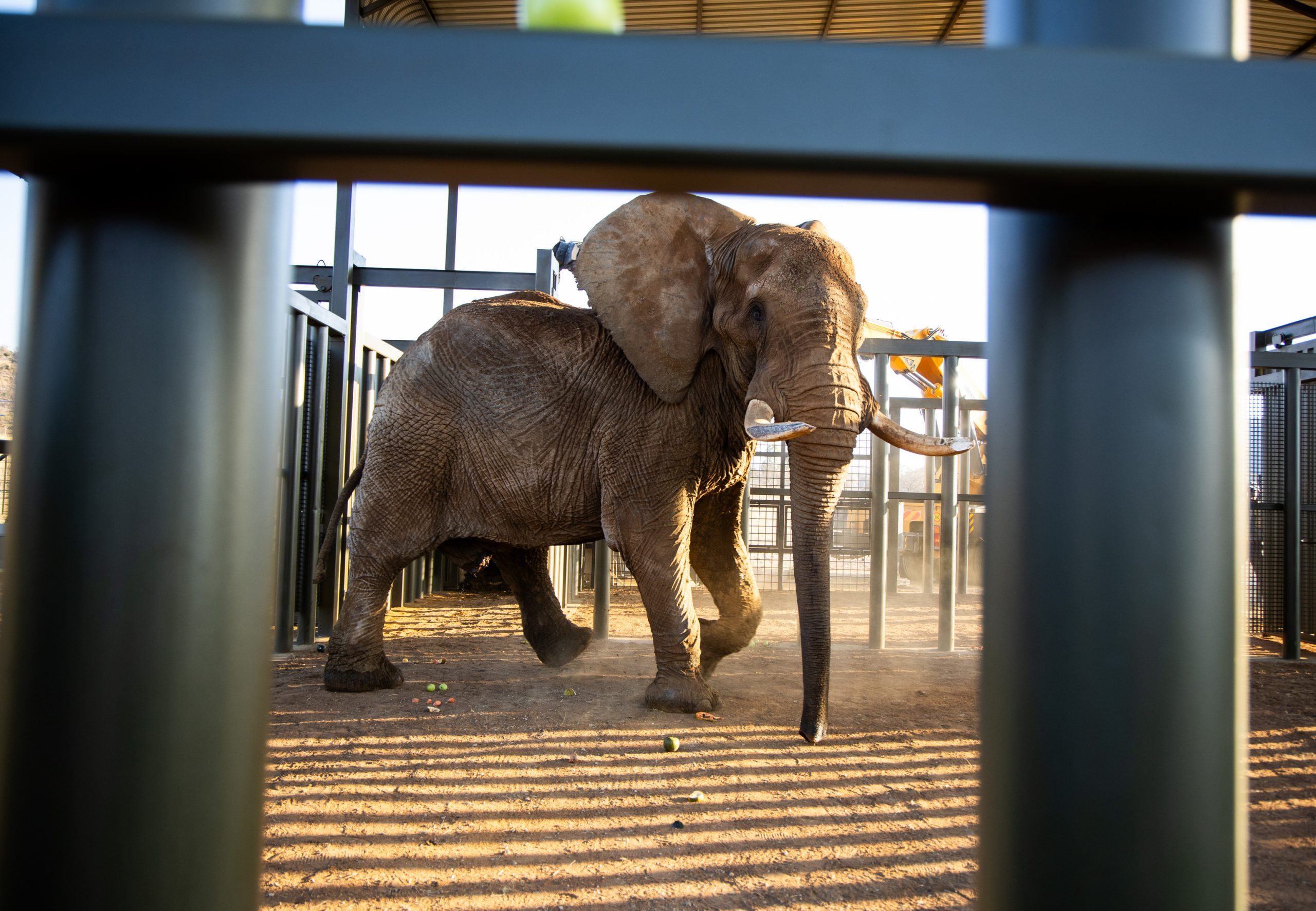 David Bilchitz, a board member of Animal Law Reform South Africa, said the case would present expert evidence suggesting the elephants are exhibiting signs associated with chronic stress and psychological decline. The applicants argue that elephants typically live within large multigenerational herds and travel across extensive territories in the wild, conditions difficult to replicate within urban zoo environments.
According to animal behaviour specialists cited in the case, the elephants’ enclosure is limited in size and lacks environmental stimulation commonly associated with natural elephant habitats, including extensive vegetation, mud pools, and opportunities for sustained social interaction. The welfare groups allege the animals have demonstrated repetitive and compulsive behavioural patterns often associated with distress in captive wildlife.
Johannesburg Zoo has rejected claims of mistreatment, stating that the elephants are well cared for and remain an important part of the institution’s educational and conservation mandate. Zoo management also cautioned that relocating elephants from long-term captivity into semi-wild sanctuaries or reserves carries operational and behavioural risks and does not always guarantee improved welfare outcomes.
The proceedings reflect a broader global debate over the role of zoos within modern conservation frameworks and whether traditional captive wildlife models remain compatible with evolving standards around animal welfare and ethical environmental management. Across several countries, legal systems are increasingly being asked to balance conservation, public education, tourism revenue, and animal rights considerations within publicly funded institutions.
For South Africa, the case carries implications beyond the welfare of three animals. Wildlife tourism remains a major contributor to the national economy and a key component of the country’s international environmental reputation. According to industry estimates, biodiversity and wildlife-linked tourism support thousands of jobs and contribute significantly to conservation financing, particularly in protected areas and private reserves.
At the same time, scrutiny of captive animal management practices is growing as environmental, social, and governance considerations increasingly influence tourism markets, institutional funding, and public policy. Analysts note that perceptions of ethical conservation standards are becoming more important for destinations seeking to maintain international credibility within the global ecotourism sector.
The case also raises questions about how African conservation systems allocate resources between wildlife protection, biodiversity preservation, and captive animal care. Public zoos across the continent continue to operate under financial pressures linked to infrastructure costs, veterinary care, and evolving regulatory standards, particularly following the financial disruptions experienced during the COVID-19 pandemic.
Legal experts say the proceedings may test how broadly South Africa’s constitutional protections can be interpreted regarding animal welfare. The applicants argue that constitutional obligations linked to dignity, environmental protection, and ethical governance extend to the treatment of animals under state custody, potentially establishing wider legal precedents for future wildlife welfare litigation.
The issue has gained additional attention following the 2024 relocation of Charley, a bull elephant previously housed in another South African zoo, to a game reserve after animal welfare concerns were raised over prolonged isolation. That case highlighted shifting public expectations around the long-term captivity of socially intelligent wildlife species and increased pressure on institutions to adopt more welfare-oriented conservation approaches.
Across Africa, debates surrounding wildlife management are becoming increasingly interconnected with broader sustainability discussions involving biodiversity financing, land use, tourism development, and institutional governance. Conservation policies are no longer viewed solely through ecological lenses, but increasingly as governance and economic issues linked to public trust, international partnerships, and sustainable development strategies.
The Johannesburg case is expected to intensify scrutiny over how African cities manage captive wildlife within rapidly urbanising environments where land constraints, funding limitations, and conservation objectives often compete. While the court’s decision may focus narrowly on the conditions facing three elephants, its implications could extend to wider questions about the future role of zoos, ethical conservation standards, and the governance of public environmental institutions across the continent.


