


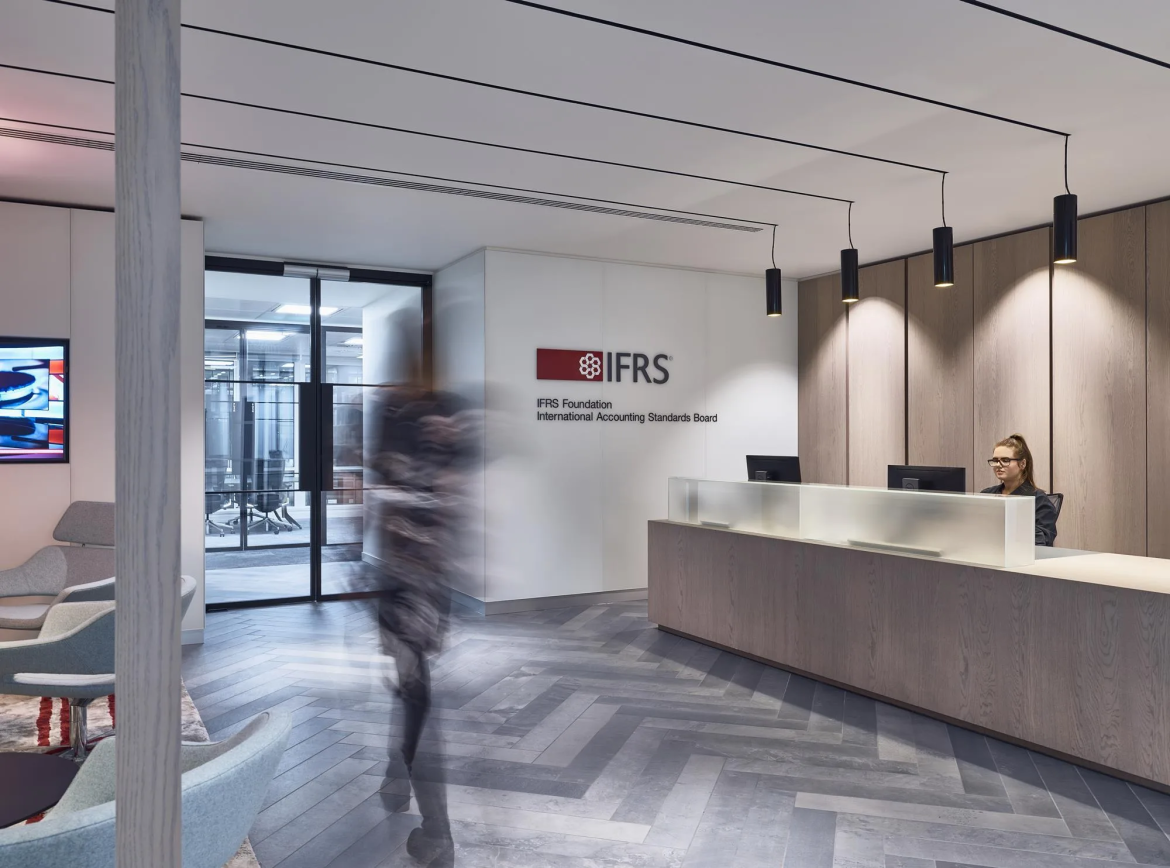
ISS-Corporate has launched a new unified sustainability reporting solution aimed at helping companies comply with the rapidly expanding International Sustainability Standards Board disclosure framework as investor and regulatory pressure for transparent sustainability reporting intensifies globally.
The new reporting program is designed to support companies navigating IFRS S1 and IFRS S2, the two core standards developed under the ISSB framework to establish a global baseline for sustainability-related financial disclosures.
The launch comes at a time when IFRS Sustainability Disclosure Standards are increasingly moving from voluntary guidance into mandatory reporting requirements across international markets. According to ISS-Corporate, the standards are now being implemented or referenced in 36 jurisdictions worldwide, although adoption timelines and enforcement approaches continue to vary between countries.
The growing integration of sustainability reporting into financial governance is reshaping how companies manage climate risk, investor communication and long-term corporate strategy. Investors are increasingly demanding sustainability disclosures that are decision-useful, comparable and financially material, particularly as climate risks and transition pressures become more significant across global markets.
IFRS S1 establishes general requirements for material sustainability-related financial disclosures, while IFRS S2 focuses specifically on climate-related reporting obligations. Together, the standards are designed to improve consistency, transparency and comparability in how companies disclose sustainability risks and opportunities.
ISS-Corporate said its new solution combines advisory services, carbon accounting tools and reporting software within a single coordinated framework aimed at helping companies streamline disclosure processes and strengthen reporting systems.
The move reflects growing concerns that many businesses still manage sustainability data through fragmented systems spread across finance, risk, legal and ESG teams, creating governance challenges and increasing the risk of inconsistent disclosures.
As sustainability reporting becomes more integrated into mainstream financial oversight, companies are facing mounting pressure to ensure that reported information can withstand scrutiny from investors, regulators, auditors and other stakeholders.
The rise of ISSB-aligned reporting is also shifting sustainability governance responsibilities closer to boards and executive leadership teams. Companies are increasingly expected to connect sustainability-related risks and opportunities with broader corporate strategy, financial performance, risk management frameworks and operational resilience.
For investors, standardized sustainability disclosures are becoming an important tool for evaluating transition risk, physical climate exposure and long-term business resilience across sectors and regions.
Reinhilde Weidacher, Head of Corporate Sustainability Services at ISS-Corporate, said the accelerating adoption of ISSB standards globally is increasing demand for reporting systems that support both compliance and strategic resilience.
“Sustainability reporting plays a critical role in how organizations communicate risk, strategy and resilience to investors and other stakeholders over time,”she said.
The expansion of IFRS Sustainability Disclosure Standards marks a broader transformation in global capital markets, where sustainability reporting is increasingly viewed as a core management and governance function rather than a standalone ESG exercise.
Read also:ISSB moves to formalize nature disclosure guidance under IFRS framework
For multinational companies operating across different regulatory jurisdictions, the evolving disclosure environment is creating new operational and financial pressures. Businesses must now navigate varying reporting timelines, regional implementation frameworks and investor expectations while maintaining consistent sustainability data quality.
Analysts say companies that move early to strengthen sustainability governance systems may be better positioned to manage regulatory risks, improve investor confidence and enhance access to capital in increasingly sustainability-focused financial markets.

https://www.aecweek-registration.com/2026/?repid=
The launch of ISS-Corporate’s reporting solution also reflects the growing commercialization of sustainability compliance infrastructure as demand rises for integrated reporting technologies capable of supporting investor-grade climate and sustainability disclosures.
As adoption of ISSB standards continues to expand globally, sustainability reporting is increasingly becoming part of the core architecture of corporate financial governance, fundamentally reshaping how businesses communicate value, resilience and long-term risk exposure to capital markets.


