


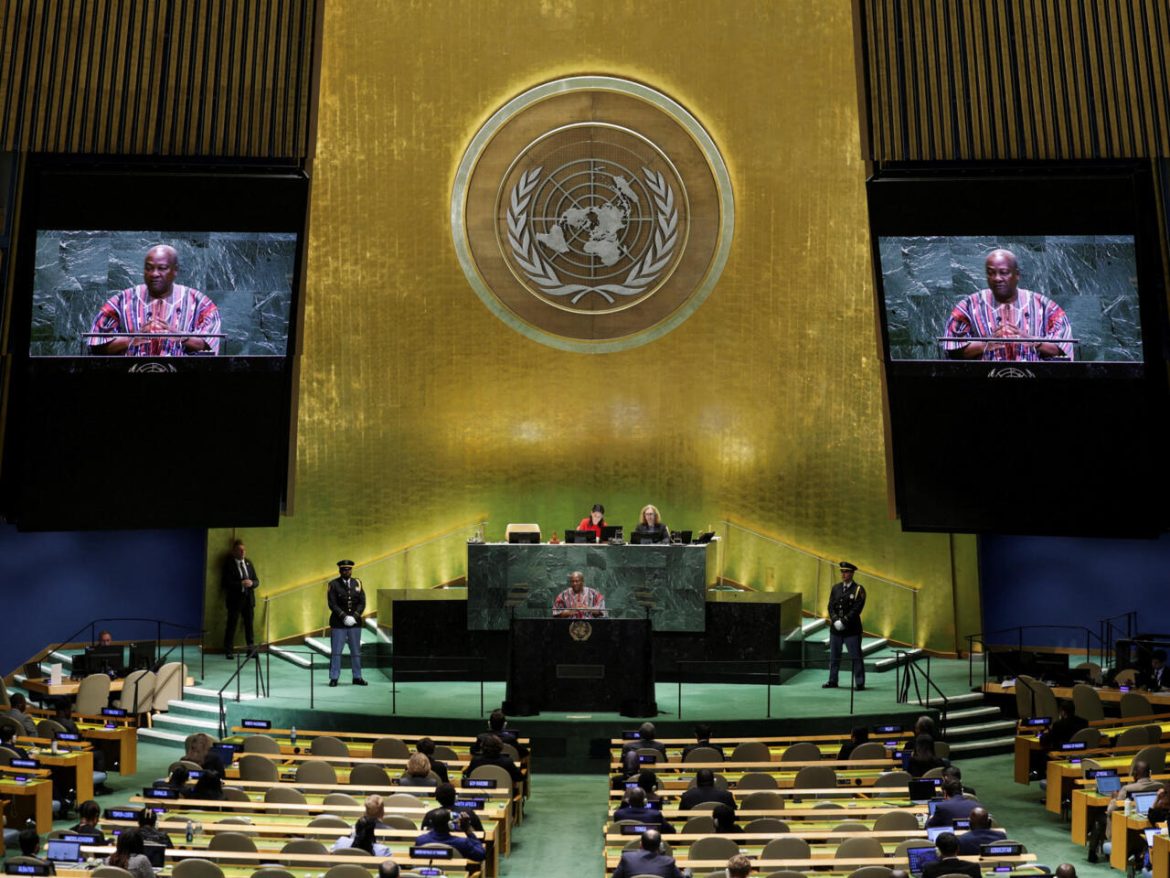
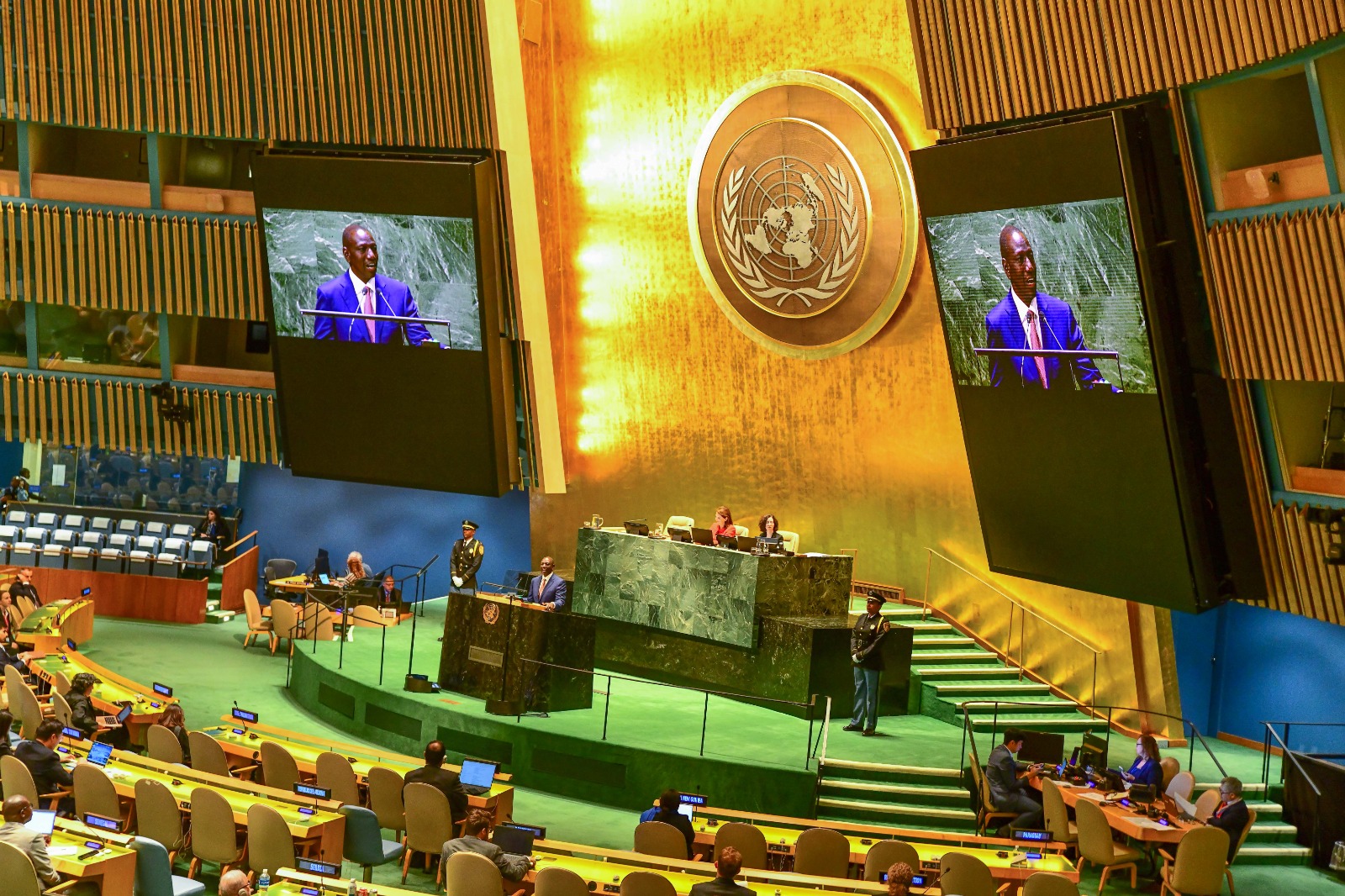
The United Nations General Assembly has adopted a landmark resolution welcoming the advisory opinion of the International Court of Justice on States’ legal obligations regarding climate change, marking a major moment in the evolution of international climate governance and environmental accountability.
The resolution, led by Vanuatu alongside a coalition of climate-vulnerable nations, secured overwhelming support with 141 countries voting in favour, including Kenya. Eight countries voted against the measure, while 28 abstained following intense diplomatic negotiations and multiple amendment proposals.
Countries opposing the resolution included the United States, Russia, Belarus, Iran, Israel, Liberia, Saudi Arabia and Yemen.
The vote follows the historic July 2025 advisory opinion issued by the International Court of Justice, which concluded that States have legal obligations under international law to protect the environment from greenhouse gas emissions and climate-related harm.
The Court further stated that countries failing to meet these obligations could face legal responsibility under international law, including potential requirements to cease harmful conduct, prevent future violations and provide reparations depending on the circumstances.
Although ICJ advisory opinions are not legally binding, they carry substantial legal and political influence and are widely regarded as important instruments in shaping the interpretation and development of international law.
António Guterres described the adoption of the resolution as a major affirmation that climate action is no longer simply a political commitment but an emerging legal responsibility for governments worldwide.
“The world’s highest court has spoken. Today, the General Assembly has answered,”Guterres said following the vote.
He described the resolution as “a powerful affirmation of international law, climate justice, science and the responsibility of states to protect people from the escalating climate crisis.”
Guterres further emphasized the growing inequality of climate impacts, noting that countries and communities least responsible for global emissions are often those suffering the most severe consequences of climate change.
The resolution calls on all UN Member States to take all possible measures to prevent significant harm to the climate and environment, including limiting emissions produced within their territories and strengthening implementation of commitments under the Paris Agreement.
It also urges governments to cooperate in good faith, strengthen international coordination on climate action and ensure that climate policies protect fundamental human rights, including the rights to life, health and an adequate standard of living.
The adoption of the resolution is being viewed as a major diplomatic victory for climate-vulnerable countries that have long pushed for stronger international legal accountability on emissions reduction, climate justice and environmental protection.
However, the resolution faced strong resistance from the United States, which argued that the ICJ advisory opinion exceeded the Court’s mandate and imposed obligations not formally agreed upon by Member States through negotiated international treaties.
Speaking before the vote, Tammy Bruce said Washington had “serious legal and policy concerns” regarding both the advisory opinion and the General Assembly resolution.
Read also:ICJ climate ruling pushes African governments to integrate climate risk into national planning
Bruce argued that the ICJ opinion remained non-binding and criticized the resolution for portraying the Court’s conclusions as enforceable obligations on sovereign states.
The United States also objected to provisions relating to fossil fuel transitions and raised concerns that the resolution could interfere with ongoing negotiations under the United Nations Framework Convention on Climate Change process.

https://www.aecweek-registration.com/2026/?repid=
Washington further opposed proposals requesting the UN Secretary-General to prepare future reports on advancing compliance with the ICJ advisory opinion, arguing there was no established precedent for such a mandate.
Despite the opposition, the overwhelming support for the resolution signals growing international momentum toward integrating climate responsibility more firmly into international legal frameworks as countries intensify efforts to address escalating climate risks, environmental degradation and global climate injustice.


