


The Food and Agriculture Organization has launched a major technical training programme aimed at strengthening digital soil fertility analysis systems across Africa and Latin America, as governments intensify efforts to improve agricultural productivity, fertilizer efficiency and climate resilience.
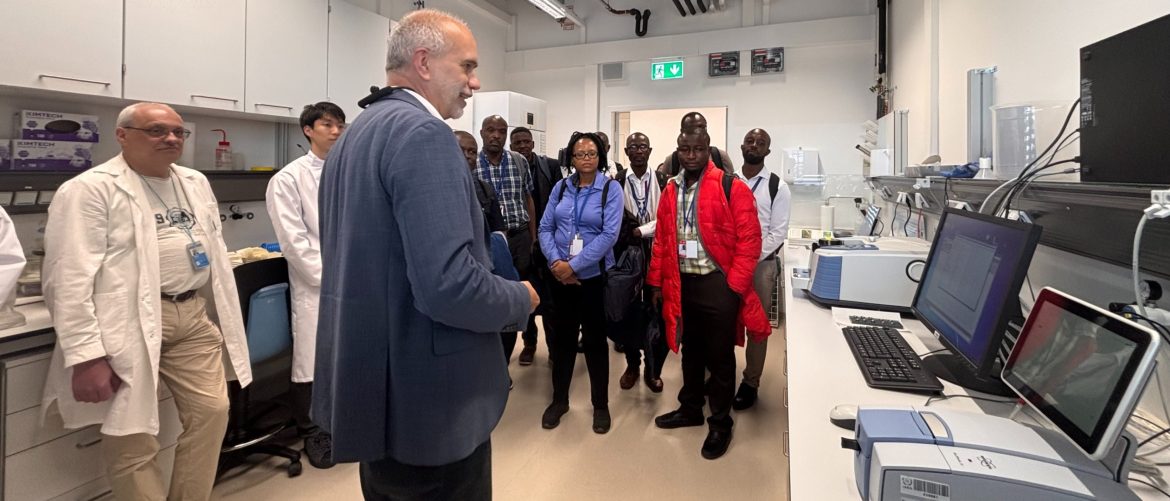
The three-week programme, conducted under the Soil Mapping for Resilient Agrifood Systems (SoilFER) initiative, is being hosted at the Joint FAO/IAEA Centre of Nuclear Techniques in Food and Agriculture. The training brings together soil scientists and laboratory specialists from Kenya, Ghana, Zambia, Guatemala and Honduras.
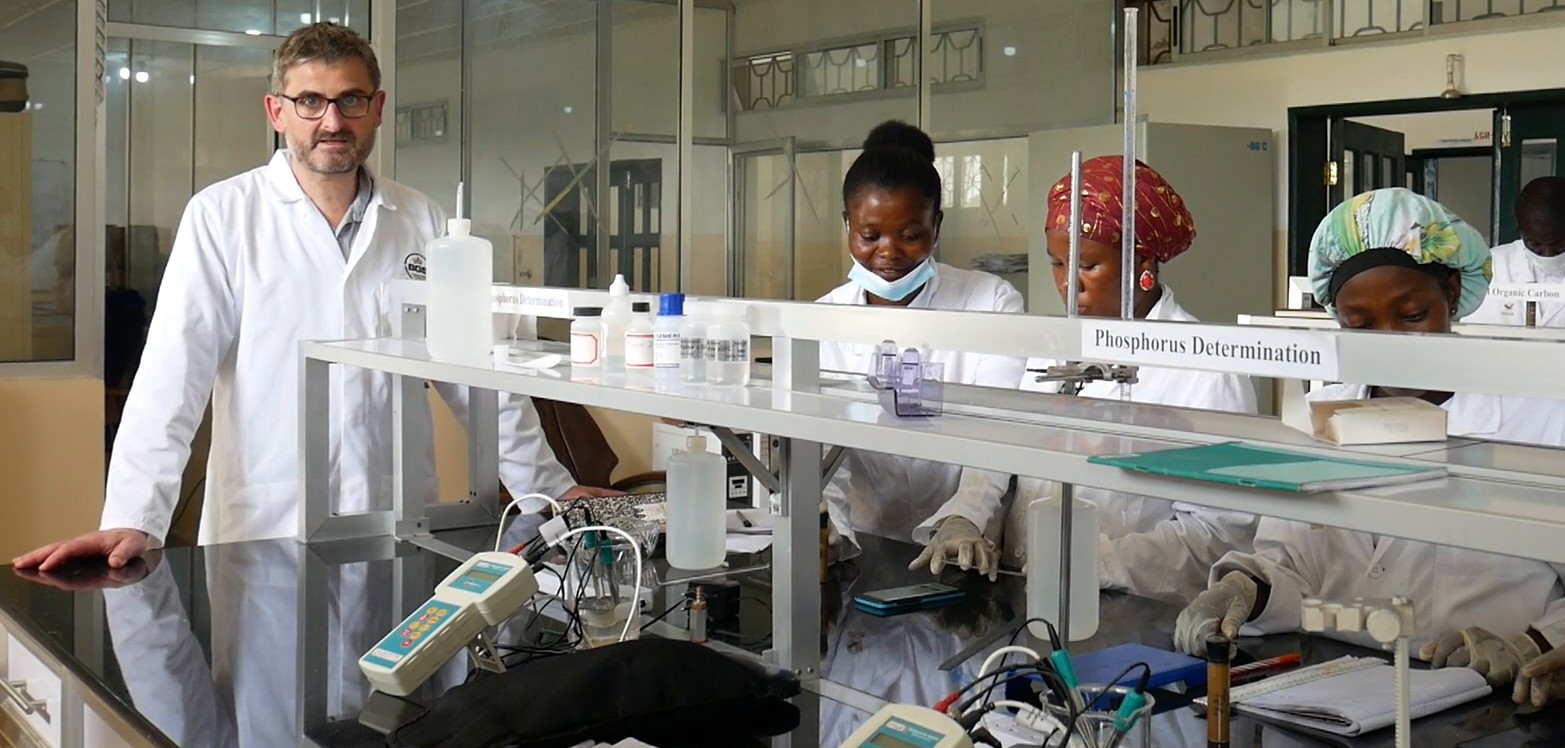
At the center of the programme is the use of Mid-Infrared (MIR) spectroscopy technology, a rapidly emerging soil analysis system that allows scientists to assess soil fertility faster and at lower cost than conventional laboratory methods. The technology enables detailed analysis of soil properties including nutrient levels, soil texture, pH balance and organic carbon through simplified preparation processes such as drying, grinding and milling soil samples.
The initiative comes at a critical time for agricultural systems across sub-Saharan Africa, where declining soil fertility continues to undermine food production, rural incomes and long-term agricultural sustainability. According to studies supported by Alliance for a Green Revolution in Africa, nearly 80% of arable land in sub-Saharan Africa is affected by soil degradation, significantly reducing crop productivity and fertilizer efficiency.
Agricultural experts say one of the major challenges facing African farming systems is the limited availability of reliable soil data. In many countries, fertilizer recommendations are still based on broad national averages rather than field-specific soil analysis, leading to inefficient fertilizer use, lower yields and increased production costs for farmers.
The expansion of digital soil mapping systems is increasingly being viewed as essential for improving agricultural planning, especially as climate variability, drought and land degradation place additional pressure on food systems across the continent.
FAO said the training programme is designed to strengthen technical capacity across the entire soil analysis chain. Participants are receiving hands-on instruction in soil sampling, laboratory preparation, spectral data acquisition, modelling and digital interpretation of soil information for agricultural planning.
The programme is funded by the United States Department of State and the Government of Japan, reflecting growing international support for digital agriculture and climate-smart farming systems.
The adoption of MIR spectroscopy technology is gaining momentum because conventional soil testing systems remain costly, slow and heavily dependent on chemical laboratory infrastructure that is often inaccessible in many developing economies. A 2026 review published in Geoderma Regional found that many African countries continue to face major constraints in soil testing due to limited laboratory capacity and high operating costs.
By contrast, infrared spectroscopy systems can analyse thousands of soil samples more rapidly and at lower cost, creating opportunities for large-scale national soil monitoring programmes. Scientific studies conducted across 20 African countries involving more than 2,800 soil samples have demonstrated that MIR and Near-Infrared spectroscopy systems can accurately assess key soil nutrients including nitrogen, phosphorus and organic carbon.
Governments are increasingly integrating digital soil analysis into broader agricultural modernization programmes. Soil mapping data is now being used to improve fertilizer subsidy targeting, crop suitability assessments, irrigation planning and precision agriculture initiatives aimed at increasing food production while reducing environmental pressure.
Countries such as Ethiopia, Nigeria, Tanzania and Ghana have already expanded national soil surveys and nutrient mapping programmes with support from AGRA and the Africa Soil Information Service.
For African economies where agriculture remains a major employer and source of export revenue, improved soil management is increasingly viewed as central to food security and economic resilience. In countries like Kenya, Ghana and Zambia, rising fertilizer costs, declining soil quality and unpredictable weather patterns continue to affect farm productivity and rural livelihoods.
The expansion of digital soil monitoring systems could help governments make more informed agricultural policy decisions while also improving access to soil testing services for smallholder farmers. Experts say faster and more affordable soil analysis could support digital advisory platforms and agricultural extension services that provide farmers with tailored fertilizer recommendations and climate adaptation guidance.

https://www.aecweek-registration.com/2026/?repid=
Beyond improving crop productivity, the SoilFER programme is also expected to strengthen scientific capacity and technical expertise in participating countries by training a new generation of soil scientists and laboratory specialists capable of supporting data-driven agricultural systems.
As African governments push to modernize agriculture and build climate-resilient food systems, investments in soil intelligence and digital mapping technologies are increasingly becoming a strategic priority for both productivity and sustainability.


