


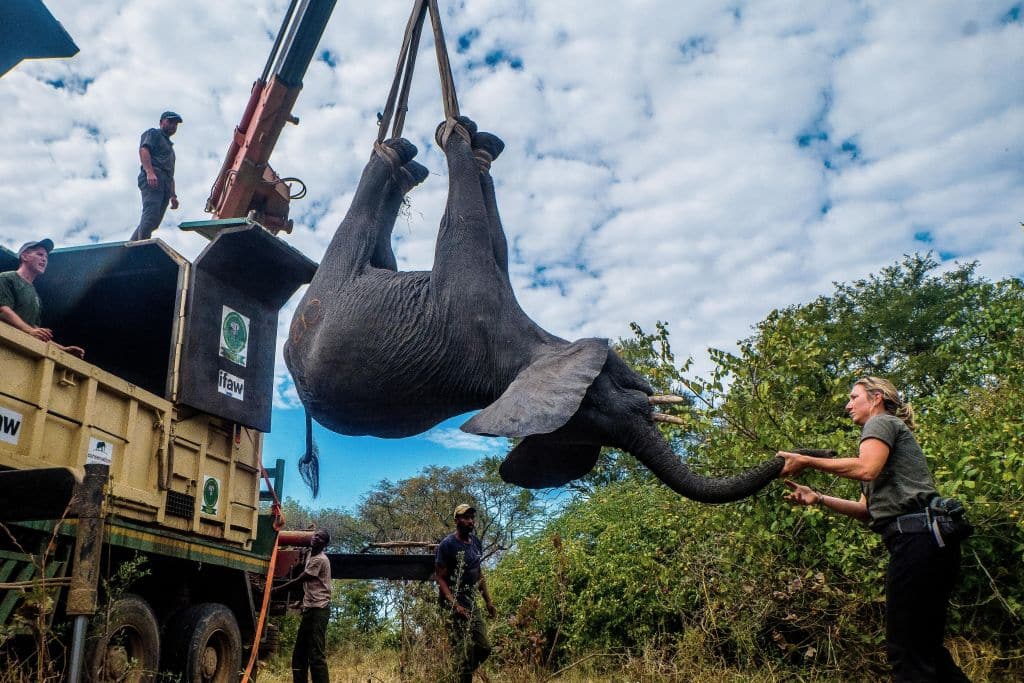
Zimbabwe is preparing to relocate several wildlife species, including zebras, giraffes, hyenas, African wild dogs and cheetahs, to Equatorial Guinea under a bilateral conservation agreement aimed at restoring wildlife populations and strengthening biodiversity protection across Africa. The programme, announced by the Zimbabwe Parks and Wildlife Management Authority (ZimParks) on 9 July 2026, reflects a growing emphasis on regional conservation partnerships that use scientific wildlife management to improve ecosystem resilience while supporting sustainable environmental governance.
The translocation forms part of a government-to-government agreement between Zimbabwe and Equatorial Guinea to reintroduce selected wildlife species into protected areas where ecological assessments have confirmed suitable habitat conditions. According to ZimParks, conservation specialists conducted comprehensive habitat suitability studies before approving the operation, evaluating vegetation, water availability, carrying capacity and broader ecosystem conditions to ensure the receiving environments can sustainably support the relocated animals.
 The authority stated that the initiative has been carefully designed to avoid compromising Zimbabwe’s own biodiversity objectives. According to ZimParks, the animals selected for relocation were identified through scientific population assessments and do not represent threatened or endangered populations within the context of the programme. Officials emphasised that wildlife capture, veterinary management and transportation are being undertaken by experienced professionals in compliance with Zimbabwean legislation, internationally recognised animal welfare standards and the International Air Transport Association (IATA) Live Animals Regulations.
Wildlife translocation has become an increasingly important conservation tool across Africa as governments seek to address multiple ecological pressures simultaneously. In Zimbabwe, expanding human settlements, habitat fragmentation, climate variability and competition for water resources have contributed to rising incidents of human-wildlife conflict in several regions. Relocating selected animal populations to suitable habitats elsewhere provides an opportunity to reduce ecological pressure in overpopulated areas while supporting species recovery in ecosystems where wildlife numbers have declined.
The initiative also highlights the increasing role of cross-border environmental cooperation in addressing biodiversity challenges that extend beyond national boundaries. As habitat loss, illegal wildlife trade and climate change continue to affect ecosystems across Africa, conservation agencies are placing greater emphasis on collaborative approaches that combine scientific research, regulatory coordination and shared technical expertise. Regional partnerships allow countries to strengthen protected area management while improving the long-term viability of wildlife populations through coordinated conservation planning.
Healthy wildlife populations contribute significantly to ecosystem functioning and the provision of environmental services that underpin broader economic activity. Functional ecosystems support water regulation, soil health, pollination and climate resilience while sustaining nature-based tourism, one of Africa’s most important sources of foreign exchange and rural employment. Maintaining biodiversity therefore carries implications that extend beyond conservation policy into national development planning, public revenue generation and community livelihoods.
The economic value of well-managed wildlife has become increasingly important as African governments pursue strategies that integrate natural capital into broader development frameworks. Tourism linked to wildlife conservation contributes billions of dollars annually to several African economies, while healthy ecosystems reduce long-term environmental degradation costs and strengthen resilience against climate-related shocks. Protecting biodiversity is therefore increasingly recognised as an investment in economic stability rather than solely an environmental objective.
According to conservation practitioners, successful wildlife translocations require rigorous scientific planning, long-term ecological monitoring and sustained cooperation between governments, conservation institutions and local communities. The long-term success of the Zimbabwe–Equatorial Guinea initiative will depend not only on the safe relocation of the animals but also on effective habitat management, anti-poaching measures, veterinary surveillance and continued ecosystem monitoring after release.
 The programme aligns with broader continental efforts to strengthen biodiversity governance under the African Union’s Agenda 2063, which recognises environmental sustainability and natural resource management as essential foundations for inclusive economic growth. It also supports wider international biodiversity objectives that encourage ecosystem restoration, species conservation and stronger regional cooperation to address accelerating biodiversity loss.
For both Zimbabwe and Equatorial Guinea, the initiative demonstrates how scientific wildlife management can contribute to broader sustainability objectives while strengthening institutional collaboration across Africa. As governments increasingly seek integrated approaches to conservation, climate adaptation and sustainable development, regional wildlife partnerships are expected to play an increasingly important role in preserving the continent’s natural heritage while supporting long-term ecological and economic resilience.


