


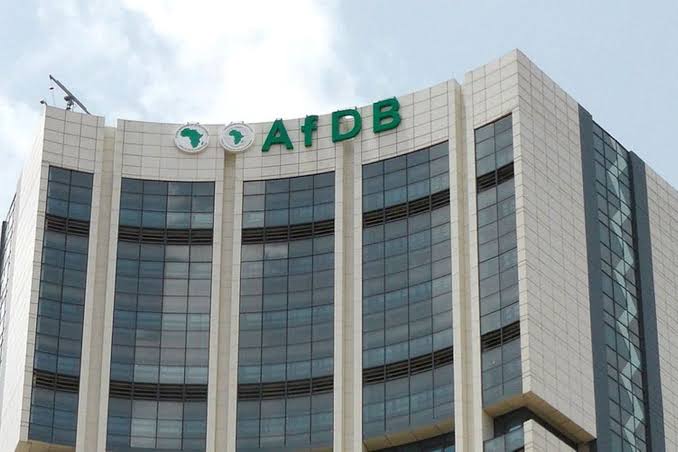
Zambia is among 13 African countries set to benefit from a $4.23 million African Development Bank initiative aimed at integrating the economic value of forests, water, land, biodiversity and other natural assets into development finance and national economic planning. The Mainstreaming Natural Capital in Africa Development Finance Project, Phase II (NC4-ADF II), approved in 2026 and scheduled to run through 2029, is intended to help participating countries strengthen natural capital accounting, improve investment decisions and build greater climate and economic resilience.
The programme comes as African governments face the increasingly difficult task of financing development while protecting the natural systems that underpin agriculture, water security, energy, tourism and livelihoods. For countries such as Zambia, where economic activity remains closely linked to mineral, agricultural and environmental resources, bringing the value of those assets into mainstream financial and policy decisions could provide a broader basis for assessing development opportunities and risks.
The African Development Bank has increasingly argued that conventional measures of economic performance do not capture the full wealth of African economies because they largely measure economic flows rather than the natural assets that generate them. Its 2024 flagship work on the green wealth of nations found that including the value of carbon sequestration provided by Africa’s forests could have increased the continent’s measured GDP by $66.1 billion in 2022.
The Bank has also highlighted a significant decline in Africa’s natural wealth. Between 1992 and 2019, renewable natural capital declined by 24%, while non-renewable natural capital fell by 37%, according to figures cited in the NC4-ADF II project appraisal. The trend has strengthened the case for development strategies that generate economic value without accelerating the depletion of the natural assets on which future production depends. For Zambia, the issue is particularly relevant because of the scale and diversity of its natural-resource base. The African Development Bank’s Zambia Country Focus Report 2025 identifies land, minerals, water, forests and wildlife as significant components of the country’s natural capital. Forests alone contribute between 5% and 7% of Zambia’s GDP, while natural-resource rents account for 11.8% of GDP.
Zambia also has experience in natural capital accounting. Through earlier work supported by the World Bank’s Wealth Accounting and Valuation of Ecosystem Services programme, the country developed land, water, forest and wildlife accounts, including assessments of protected areas linked to nature-based tourism. The African Development Bank has noted, however, that further technical and financial support is needed to scale up and institutionalise the approach. The new programme seeks to take that work beyond the production of environmental accounts and towards their use in economic decision-making. According to the African Development Bank, the objective is to help participating countries incorporate natural capital information into policy, finance, investment, budgeting, legislation and development planning.
For policymakers, the significance lies in making environmental degradation more visible in economic calculations. A road, mine, agricultural project or tourism investment may generate immediate economic returns, but its long-term value can also depend on water availability, soil quality, forest cover, biodiversity and the resilience of surrounding ecosystems. Natural capital accounting can provide governments with additional information for weighing those benefits and risks when allocating scarce public and private capital.
The approach is also relevant to public finances. Zambia continues to face substantial financing requirements for development and structural transformation. The African Development Bank estimates that the country requires about $6.9 billion in financing by 2030 and faces a financing gap of roughly $5.4 billion. At the same time, public debt remains elevated, increasing the importance of improving the quality and long-term productivity of investment decisions.
Natural capital valuation does not eliminate those financing constraints, but it could strengthen the evidence available to governments and development institutions when determining which investments deliver durable economic returns. It could also help identify financial risks associated with the depletion of resources that support agricultural production, water systems, tourism and rural livelihoods.
The initiative follows the Nairobi Declaration adopted at the 2023 Africa Climate Summit and forms part of a wider African push to integrate natural capital into development finance. The African Development Bank has established the Africa Natural Capital Accounting Community of Practice to strengthen cooperation among countries and development partners working to institutionalise natural capital accounting across the continent.
The shift is taking place alongside changes in international economic accounting. The Bank has highlighted the 2025 System of National Accounts as an important development because it provides greater scope for recognising the relationship between economic activity and environmental assets and degradation. This could create additional opportunities for African countries to improve how natural resources are reflected in national wealth and economic statistics.
For Zambia, the immediate challenge will be turning accounting systems into practical decision-making tools. Producing data on forests, land, water and biodiversity is only one part of the process; the greater test will be whether ministries, investors and financial institutions use that information when preparing budgets, evaluating projects and managing economic risks.
The experience could have wider implications for Africa. Many economies on the continent depend heavily on natural resources while simultaneously facing climate shocks, infrastructure deficits and limited fiscal space. Better measurement of natural wealth could help governments assess the economic cost of environmental degradation and identify opportunities for investment in conservation, restoration and sustainable resource use.
The NC4-ADF II programme therefore places natural capital within a broader development-finance debate. For Zambia, it provides an opportunity to build on existing accounting systems and strengthen the role of environmental information in economic planning. If effectively institutionalised, the approach could help policymakers better understand the contribution of ecosystems to national wealth while improving the design of investments intended to support economic growth, climate resilience and long-term development.


