


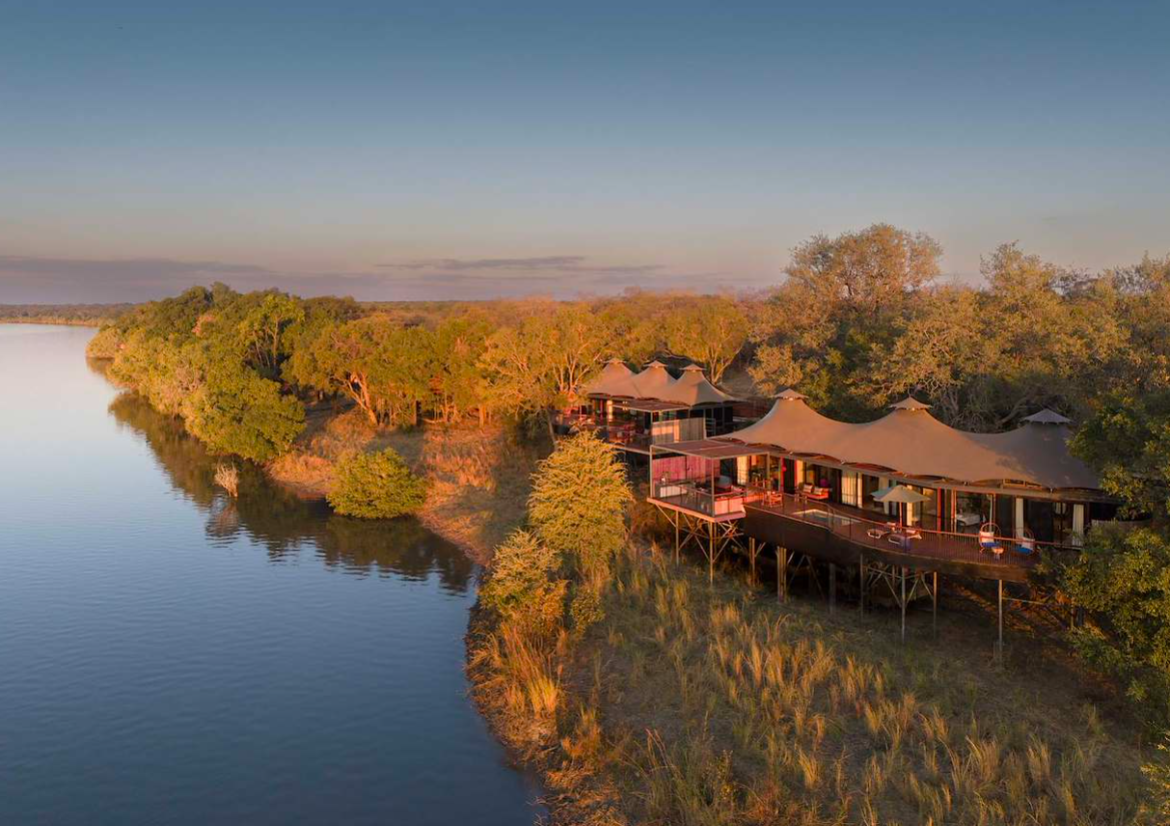
Anantara has opened Anantara Tented Camp Kafue River, an exclusive safari retreat inside Zambia’s Kafue National Park, positioning luxury tourism alongside ongoing efforts to restore one of Africa’s largest protected wilderness areas. The 13-key property combines high-end accommodation, wellness experiences and conservation-focused safaris in a park undergoing renewed wildlife management under a partnership between African Parks and the Zambian government.
Anantara Tented Camp Kafue River Pool Villa
The launch marks Anantara’s first safari property in Africa and comes as the hospitality brand celebrates its 25th anniversary. Developed over three years, the camp is situated along the Kafue River within a national park covering approximately 22,480 square kilometres. Its positioning reflects a growing segment of African tourism that seeks to combine exclusive travel experiences with natural heritage and wildlife conservation.
The property’s design places it above ground on timber platforms, with the main structures elevated 3.5 metres to help protect wildlife corridors. The camp’s elevated Horizon Terrace Suites rise 14.3 metres above ground, while the wider development has been designed around existing riverine trees, including marulas and jackalberries. Private river frontage provides views of hippos, elephants, antelope, large predators and more than 500 bird species recorded in the surrounding wilderness.

Beyond its accommodation offering, the camp enters a landscape where conservation efforts are central to the destination’s long-term tourism prospects. Kafue National Park has historically remained less visited than some of Africa’s better-known safari destinations, but management and restoration initiatives are intended to strengthen its ecological resilience and support the recovery of wildlife populations.
Since 2022, African Parks and the Government of Zambia have worked to improve security, rebuild infrastructure and strengthen fire management across the park. These interventions have helped establish conditions for wildlife recovery across its extensive grasslands, floodplains and woodland habitats. In 2024, Kafue lechwe antelope were reintroduced, followed by a major wildlife translocation in 2025 that brought wildebeest and zebra back into grasslands where their presence had diminished.
The restoration programme provides an important context for the development of tourism infrastructure in the park. Wildlife recovery can strengthen the appeal of protected areas to international visitors, while tourism revenue and employment can potentially create additional economic incentives for conservation. However, the relationship depends on effective park management, responsible development and the distribution of economic benefits to surrounding communities.
For Anantara Kafue guests, the conservation setting is incorporated into the daily itinerary. Zambian guides lead twice-daily game drives, while river safaris, bush picnics and catch-and-release fishing offer alternatives to conventional game viewing. The camp’s emphasis on seclusion also reflects a tourism model built around lower visitor volumes and personalised experiences rather than large-scale accommodation.
The development’s environmental features include solar power, on-site water purification and efforts to reduce single-use plastics. Its architectural approach uses natural materials, canvas and timber, with structures arranged around existing trees. These measures are intended to limit the property’s physical footprint, although the wider environmental performance of a remote luxury camp also depends on energy demand, water consumption, waste management, transport emissions and the sourcing of supplies.
The distinction is particularly relevant in protected landscapes, where luxury tourism can command premium prices but also requires careful management of natural resources. Solar generation and water purification can support operations in remote locations, but their contribution to sustainability ultimately depends on how effectively the systems meet demand and how the property manages its broader operational impacts.
Accommodation is designed to reinforce the camp’s emphasis on privacy and wellness. Three Horizon Terrace Suites, each measuring 110 square metres, feature elevated decks and outdoor sleeping arrangements beneath the night sky. Nine Pool and Bush Villas, each measuring 115 square metres, include heated plunge pools and private massage rooms overlooking the river. A 400-square-metre Presidential Villa offers private boat access and additional space for entertaining.
Wellness is integrated into the property through in-villa spa treatments, yoga, birdwatching and stargazing. A floating Technogym fitness platform on the river adds another element to the offering, with an outdoor deck for yoga and direct views of the surrounding landscape. The approach positions nature not only as the setting for wildlife encounters but also as part of the guest experience.
Dining follows a similarly personalised model. The camp’s floating wooden pontoon accommodates up to four guests for meals and sunset wine tasting, while other venues include Luzuba Harvestry and Twalumba Bar & Lounge. The dining concept incorporates Zambian culinary influences within a premium hospitality setting, offering opportunities to connect visitors with local food traditions and ingredients.
The commercial positioning is firmly at the upper end of the safari market. Lead-in rates start at US$6,300 per room per night for two people sharing, inclusive of full board, premium beverages, twice-daily game drives, personalised butler service and one 90-minute spa treatment per person per stay. The camp is also offering limited-time opening packages.
Such pricing places the property within a specialised luxury segment rather than the mass tourism market. Its longer-term contribution to Zambia’s tourism economy will depend not only on visitor spending but also on local procurement, employment, skills development and the extent to which businesses and communities near the park participate in the value chain.
Tourism linked to protected areas can support economic diversification by creating demand for guides, hospitality workers, transport operators, food suppliers and other service providers. In remote destinations, however, the benefits are influenced by the availability of infrastructure, access to training, reliable transport and effective arrangements for connecting local enterprises with tourism operators.
Access to Anantara Kafue is available through private charter flights from Lusaka or Livingstone to Chunga airstrip, alongside domestic flight and road-transfer options. The camp’s remote location is part of its appeal, but it also highlights the importance of aviation and ground transport to high-value tourism in Zambia’s less accessible regions.

The Green Season, running from December through March, is being promoted for its flourishing vegetation, seasonal birdlife and wildlife activity around water sources. The period may offer a different experience from peak safari months, while potentially helping tourism operators attract visitors across a wider portion of the year.
Anantara Tented Camp Kafue River enters Zambia’s tourism market at a point when wildlife restoration and high-value nature-based tourism are increasingly connected in the management of protected landscapes. Its model brings luxury accommodation, wellness and guided wildlife experiences into a destination undergoing ecological recovery. Whether that positioning delivers lasting conservation and development benefits will depend on how the operation’s environmental commitments translate into measurable performance and how much economic value reaches Zambia’s wider tourism economy and communities surrounding Kafue National Park.


