


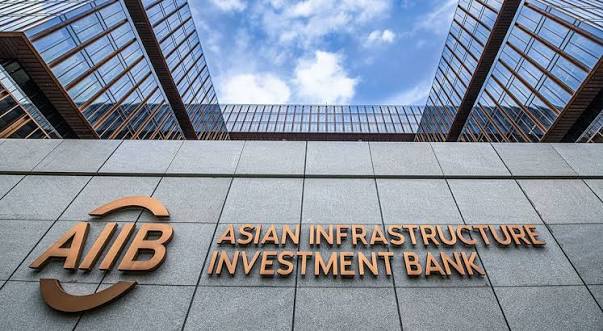
South Africa has secured a $500 million sovereign-backed loan from the Asian Infrastructure Investment Bank (AIIB) to strengthen water, electricity, sanitation and solid waste services across the country’s metropolitan municipalities, in a programme that links infrastructure financing to municipal reform, climate resilience and measurable improvements in service delivery.
The financing will support the South Africa Metro Trading Services Programme, a broader $3 billion government initiative being co-financed by AIIB and the World Bank. The programme is designed to improve the financial and operational performance of municipal trading services while strengthening the resilience of essential urban infrastructure to climate and economic pressures.
The investment represents AIIB’s first financing operation in South Africa and establishes a new development partnership focused on sustainable urban infrastructure, municipal governance and climate-smart development. For South Africa, the funding comes as major cities face growing pressure from ageing infrastructure, rapid urbanisation, financial constraints and increasing climate risks.
South Africa’s metropolitan municipalities are particularly important to the national economy. According to National Treasury, the country’s metropolitan municipalities are home to approximately 22 million people and account for around 85% of national economic output. Their ability to provide reliable water, electricity, sanitation and waste services is therefore closely linked to economic productivity, investment and household welfare.
The programme will take a performance-based approach, meaning that financing will be linked to measurable improvements in municipal governance, operational efficiency and financial management rather than focusing solely on physical infrastructure construction. This is intended to address one of the central challenges facing South African municipalities: infrastructure investment can have limited impact when operational inefficiencies, weak financial controls and revenue losses undermine service delivery.
AIIB Public Sector Clients Department Director General Rajat Misra said the programme would strengthen municipal governance and essential urban services while supporting South Africa’s climate and development objectives. The bank views the investment as an opportunity to establish a long-term partnership with South Africa around resilient and sustainable urban infrastructure.
Water efficiency will be one of the programme’s most significant targets. Across participating metropolitan municipalities, non-revenue water is expected to decline from 41% to 28% by 2031. Non-revenue water refers to water that is produced and supplied but does not generate revenue for utilities because of leaks, theft, inaccurate metering or other operational losses.
Reducing these losses could provide municipalities with substantial financial and environmental benefits. Recovering more water from existing networks can reduce pressure on scarce water resources while improving the financial sustainability of municipal water utilities. It can also reduce the need for costly new supply infrastructure in water-stressed cities.
Electricity distribution losses are another major focus. The programme aims to reduce electricity losses across participating municipalities from 22% to 12% by 2031. Lower losses would strengthen municipal revenue collection and improve the efficiency of existing electricity infrastructure while supporting broader efforts to manage energy demand and reduce unnecessary resource consumption.
The programme will also address solid waste management and institutional capacity. Better waste systems are increasingly important for South African cities as population growth and urban consumption increase the volume of waste generated. Weak waste management can contribute to pollution, public-health risks, flooding and environmental degradation, particularly in communities already vulnerable to climate impacts. The climate dimension of the programme is particularly significant. South African metropolitan areas are increasingly exposed to drought, flooding, heat and other climate-related pressures. Strengthening water and electricity systems, improving waste management and making municipal infrastructure more efficient can therefore contribute to both climate adaptation and lower-carbon urban development.
For development finance institutions, the programme illustrates a growing shift towards combining infrastructure investment with governance reform. Rather than treating climate resilience as a standalone infrastructure objective, the AIIB-supported model connects climate outcomes with financial management, service efficiency and institutional performance. This approach could also have implications for future private-sector investment. Stronger municipal balance sheets, improved revenue collection and more reliable service delivery can help reduce risks associated with infrastructure projects and potentially improve the bankability of future investments in water, energy, waste and other urban services.
South Africa’s National Treasury has welcomed AIIB as a new development partner. Treasury Director-General Duncan Pieterse said the financing would strengthen the government’s broader efforts to improve governance, financial management and operational performance within municipal trading services. The scale of the programme reflects the financial challenge facing South Africa’s cities. Municipalities require substantial investment to replace ageing infrastructure and respond to climate risks, while constrained public finances and operational inefficiencies limit the resources available for new investment.
The $500 million AIIB financing therefore provides more than additional capital. Its performance-based structure places emphasis on whether municipalities can translate financing into measurable improvements in service delivery. Meeting the 2031 targets will require stronger institutional capacity, effective financial controls, reliable data systems, political commitment and consistent implementation across all eight participating metropolitan municipalities.
The programme also carries lessons for other African cities. Urban centres across the continent face similar challenges involving ageing infrastructure, rapidly growing populations, water scarcity, unreliable electricity systems, weak waste management and limited municipal finances. Development finance that combines infrastructure funding with governance and operational reform could provide a pathway for addressing these challenges more sustainably. For Africa’s climate transition, the implications are particularly important. Cities are responsible for a growing share of economic activity and resource consumption, making urban infrastructure a critical component of climate action. Improving the efficiency of existing water and electricity networks can deliver climate benefits without relying entirely on new infrastructure.
The South African programme also demonstrates the increasing importance of multilateral development banks in mobilising finance for urban resilience. The participation of AIIB alongside the World Bank expands the range of international financing available to South Africa while creating opportunities for knowledge exchange around sustainable infrastructure and municipal reform.
Ultimately, the success of the initiative will depend on implementation. The reduction of non-revenue water from 41% to 28% and electricity losses from 22% to 12% will require more than capital investment. It will depend on municipalities improving asset management, maintenance, revenue collection, procurement, governance and accountability. If those targets are achieved, the programme could provide a useful model for linking development finance, climate resilience and municipal performance. For South Africa and other emerging-market economies, the broader lesson is that resilient cities require not only new infrastructure but also institutions capable of managing that infrastructure efficiently, sustainably and transparently.
The AIIB investment consequently marks an important development in South Africa’s urban transition. By connecting essential service delivery with financial reform and climate resilience, the programme places municipal performance at the centre of the country’s efforts to build more sustainable and economically productive cities.


