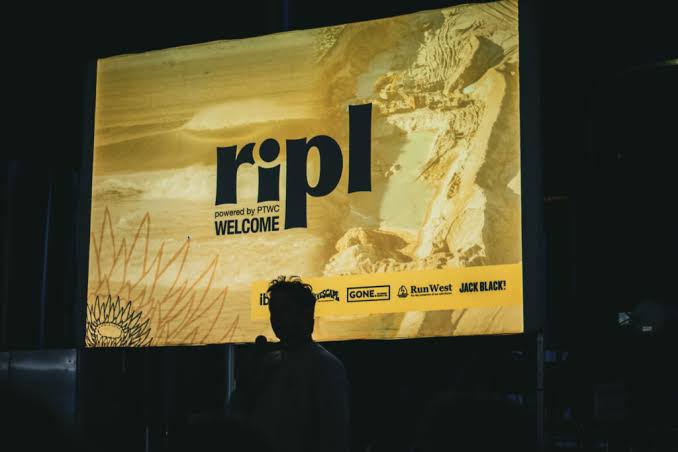
Protect the West Coast (PTWC), a South African environmental non-profit, has upgraded its Ripl digital platform to improve public access to mining and prospecting applications and make it easier for communities to participate in environmental consultation processes along the West Coast.
The upgraded platform, announced on 18 November 2026, introduces Afrikaans-language accessibility, improved mobile functionality and expanded digital communication options, allowing users to identify proposed mining and prospecting activities in their areas, register as Interested and Affected Parties (I&APs), submit comments to Environmental Assessment Practitioners (EAPs) and receive notifications about public meetings and application updates.
The platform is designed to address longstanding barriers to public participation in South Africa’s environmental authorisation processes, where communities are legally entitled to engage with proposed developments but often face difficulties accessing notices, technical documents and consultation opportunities. Information about mining applications has historically been communicated through newspaper and radio notices, physical signage and public meetings, channels that can be difficult for residents to monitor consistently.

Ripl seeks to consolidate this information into a single digital platform, providing communities with a more direct route to formal consultation processes. Its latest upgrade also introduces Afrikaans, identified by PTWC as the most widely spoken language on the West Coast, in an effort to reduce language barriers and broaden access to environmental decision-making.
The platform allows users to register as interested and affected parties and submit comments directly to the environmental practitioners responsible for managing consultation processes. Users can also identify mining, prospecting and other development applications affecting their areas, access information about public meetings and receive updates through email, WhatsApp or SMS.
Its mobile-focused design is intended to reduce the practical requirements associated with conventional participation, including printing documents, scanning submissions and navigating formal correspondence. However, the platform’s effectiveness will also depend on communities’ access to mobile connectivity, reliable information and the ability to understand the technical and legal documents accompanying applications.
The upgraded platform addresses a different function from the Western Cape’s recently introduced online mining cadastre, which primarily provides information relating to mining rights and permit administration. Ripl is focused on applications and public participation, offering a mechanism for communities to follow proposals and engage with the environmental assessment process.
“Ripl was created because we saw how difficult it was for ordinary people to find out what mining activities were being proposed in their communities, let alone participate in the decision-making process,” said Mike Schlebach, managing director of Protect the West Coast. He said the upgrade was intended to simplify the process and provide people with a practical means of exercising their rights.
The launch comes amid increased legal scrutiny of the consultation requirements associated with environmental and resource-development decisions in South Africa. On 14 August 2026, the Constitutional Court handed down a judgment in the Wild Coast Shell exploration dispute, setting aside an exploration right and its renewals after a protracted legal challenge over the adequacy of consultation with affected communities.
The case, Sustaining the Wild Coast NPC and Others v Minister of Mineral Resources and Energy and Others, reinforced the importance of meaningful public participation in decisions affecting communities, livelihoods, cultural practices and the environment. The judgment has added to the legal and institutional debate over how consultation should be conducted when projects involve natural resources and potentially significant environmental impacts.
PTWC said the judgment reinforced the need for accessible systems that enable communities to engage with formal consultation procedures. While legal requirements establish the framework for participation, platforms such as Ripl seek to address practical obstacles that can prevent residents from receiving information or submitting representations within prescribed timelines.
The platform’s initial rollout has recorded more than 1,100 subscribers, 68 applications uploaded and 1,281 registrations of interested and affected parties, according to the organisation. These figures reflect the platform’s recorded engagement since its introduction, although they do not independently establish the extent to which submissions have influenced individual environmental authorisation decisions.
Ripl also played a role in a public objection process involving a Tronox mining application in June 2025. PTWC said the platform facilitated 55 objections, representing 93% of the 59 objections received in the process. The remaining four objections were submitted by government entities.
The initiative builds on six years of legal and environmental advocacy by PTWC on the West Coast. Since 2020, the organisation said its legal and scientific teams have tracked approximately 317 mining and prospecting applications, submitted 53 comments and objections, and lodged 19 appeals against environmental authorisations.
The organisation has also reported contributing to the protection of access to traditional fishing grounds, the withdrawal of 11 mining and prospecting applications and the rejection of two additional applications by authorities. These outcomes form part of PTWC’s wider advocacy work and are distinct from the platform’s digital participation statistics.
The upgraded Ripl platform is now available at ripl.co.za. PTWC plans to launch a grassroots awareness campaign in early 2027 to introduce communities to the platform, provide guidance on its use and encourage participation in environmental decision-making.
As mining and prospecting proposals continue to generate debates over land use, environmental protection and local livelihoods, the accessibility of consultation processes is likely to remain a significant part of the regulatory landscape. Ripl’s next test will be whether its expanded digital reach translates into sustained community engagement and greater access to the information and processes through which environmental decisions are made.