

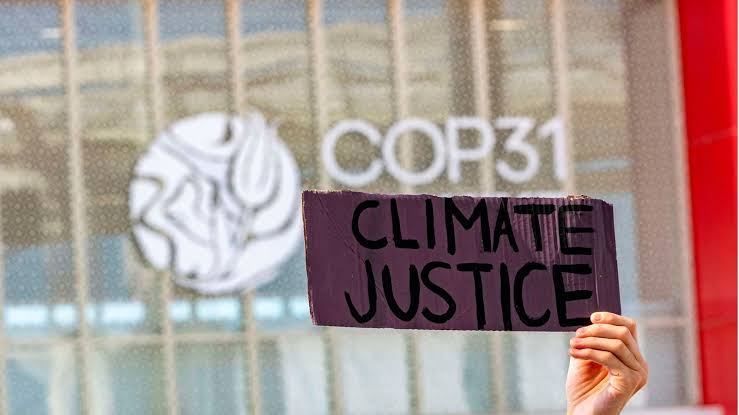
World Animal Protection says the failure to secure a political agreement in Antalya exposed divisions over agricultural emissions, methane reduction and food-system reform, calling on governments to place animal welfare and sustainable food systems higher on the agenda ahead of COP32 in Ethiopia.
The failure of COP31 to reach a political agreement has renewed scrutiny of the role of industrial animal agriculture in climate negotiations, with World Animal Protection accusing governments of failing to address emissions from meat and dairy production. The organisation says pressure from the livestock industry and countries with close ties to the sector weakened proposed action on agricultural emissions, methane and the transition towards more sustainable food systems.
In a media statement issued on 22 November 2026 in Antalya, Türkiye, the animal welfare organisation described the outcome as a setback for climate action, arguing that food production must be addressed alongside energy and other major sources of greenhouse gas emissions. Its criticism comes as attention shifts to COP32, which is scheduled to take place in Ethiopia, where food security, adaptation and the relationship between climate change and agricultural livelihoods are expected to feature prominently.

David Garrahy, Political and Corporate Engagement Manager at World Animal Protection, said the failure to reach an agreement represented a missed opportunity to address emissions associated with agriculture and the wider food system. He argued that the proposed outcome did not adequately confront the environmental impacts of industrial meat and dairy production or the welfare conditions of animals in intensive farming systems.
The central issue extends beyond the conference’s political deadlock. DeSmog‘s analysis of the provisional COP31 delegate list identified 71 representatives linked to the meat and dairy sector, the largest delegation among the food and agriculture industries it examined. The finding adds context to World Animal Protection’s criticism, although delegate numbers alone do not establish that industry representatives determined the negotiating outcome.
The dispute also brings attention to the scale of food-system emissions. World Animal Protection cited agriculture and food production as accounting for more than a third of global greenhouse gas emissions, while arguing that methane from agricultural activities requires stronger policy attention. Its statement says around 40% of methane emissions come from agriculture. These figures refer to the wider agricultural sector and should not be interpreted as the emissions share of meat and dairy production alone.
The organisation said food and agriculture had been identified as priorities by the COP31 Presidency, including efforts to reduce methane. However, it argued that pressure from industrial agriculture interests and governments aligned with the sector weakened proposed action. According to the statement, the draft Antalya Pact contained exemptions for agricultural emissions, although the broader political agreement was ultimately not adopted.
The meat and dairy sector’s presence at the summit became a point of scrutiny after DeSmog reported that it had brought 71 delegates to Antalya, the largest contingent among the food and agriculture sectors covered by its analysis. The report identified 260 food-sector lobbyists in total, including representatives from fertiliser, biofuels, food processing and other agricultural industries. It also noted that some industry representatives were included within national delegations, a route that can give private-sector actors access to formal climate discussions.
For World Animal Protection, the concern is not limited to lobbying access but also the direction of public spending and agricultural policy. The organisation argued that government subsidies continue to support intensive livestock production despite the sector’s climate and environmental impacts. It called for a shift in public funding towards food systems that reduce emissions, improve animal welfare and support more equitable production and consumption patterns.
Garrahy said governments should redirect support towards what the organisation describes as a just food transition, rather than maintaining financial incentives for industrial farming systems. He also raised concerns about animal welfare in intensive production, citing the confinement of more than 90 billion animals in factory-farming systems worldwide. The figure and characterisation are claims made by the organisation in its statement.
The proposed Just Transition Mechanism was another area of concern. World Animal Protection said the failure to establish the mechanism delayed progress towards more equitable and sustainable food systems. The distinction between a specific mechanism and the wider just transition agenda is important: the UNFCCC closing remarks indicated that a decision on just transition had been made at COP31, even as other presidency-led issues remained unresolved. The organisation’s criticism therefore concerns the absence of the food-system transition framework it was seeking, rather than the complete absence of just transition discussions at the summit.
The debate is likely to continue ahead of COP32 in Ethiopia, where food security and climate adaptation will carry particular significance. World Animal Protection pointed to the vulnerability of the wider region, including the severe food crisis in neighbouring Sudan. The latest available humanitarian assessments indicate that approximately 19.5 million people in Sudan face acute food insecurity, while several areas remain at risk of famine. The crisis is driven principally by conflict, displacement and restrictions on humanitarian access, alongside disruption to agricultural production and food supply systems. It should not be attributed to climate change or livestock emissions alone.
For Ethiopia and other African countries, the relationship between food production, climate resilience and rural livelihoods is complex. Agriculture supports employment, household incomes and national food supplies, while pastoralism and livestock production are central to livelihoods in several parts of the continent. Climate pressures, including drought, changing rainfall patterns and land degradation, can intensify existing vulnerabilities. Policy discussions on agricultural emissions therefore intersect with questions of food access, rural development, livestock health, land management and the affordability of food.

The challenge for COP32 will be to address these issues without treating African food systems as interchangeable with intensive livestock models elsewhere. A transition in food production will need to account for the differences between industrial animal agriculture, smallholder mixed farming and pastoral systems, as well as the role of livestock in household economies and nutrition. It will also require financing and technical support if farmers and communities are expected to change production practices while protecting their livelihoods.
World Animal Protection said it would continue engaging governments and seeking greater recognition of animal welfare in UN climate negotiations. The organisation argues that animal welfare should be considered alongside emissions reduction, ecosystem protection and food security, and that the transition to sustainable food systems must include the interests of animals as well as people.
The COP31 outcome leaves the debate over agricultural emissions and food-system reform unresolved. As governments prepare for the next summit in Addis Ababa, the question will be whether food production receives a more prominent place in climate policy and whether commitments on methane, agricultural finance and just transition translate into measures that reflect the diversity of food systems across regions.