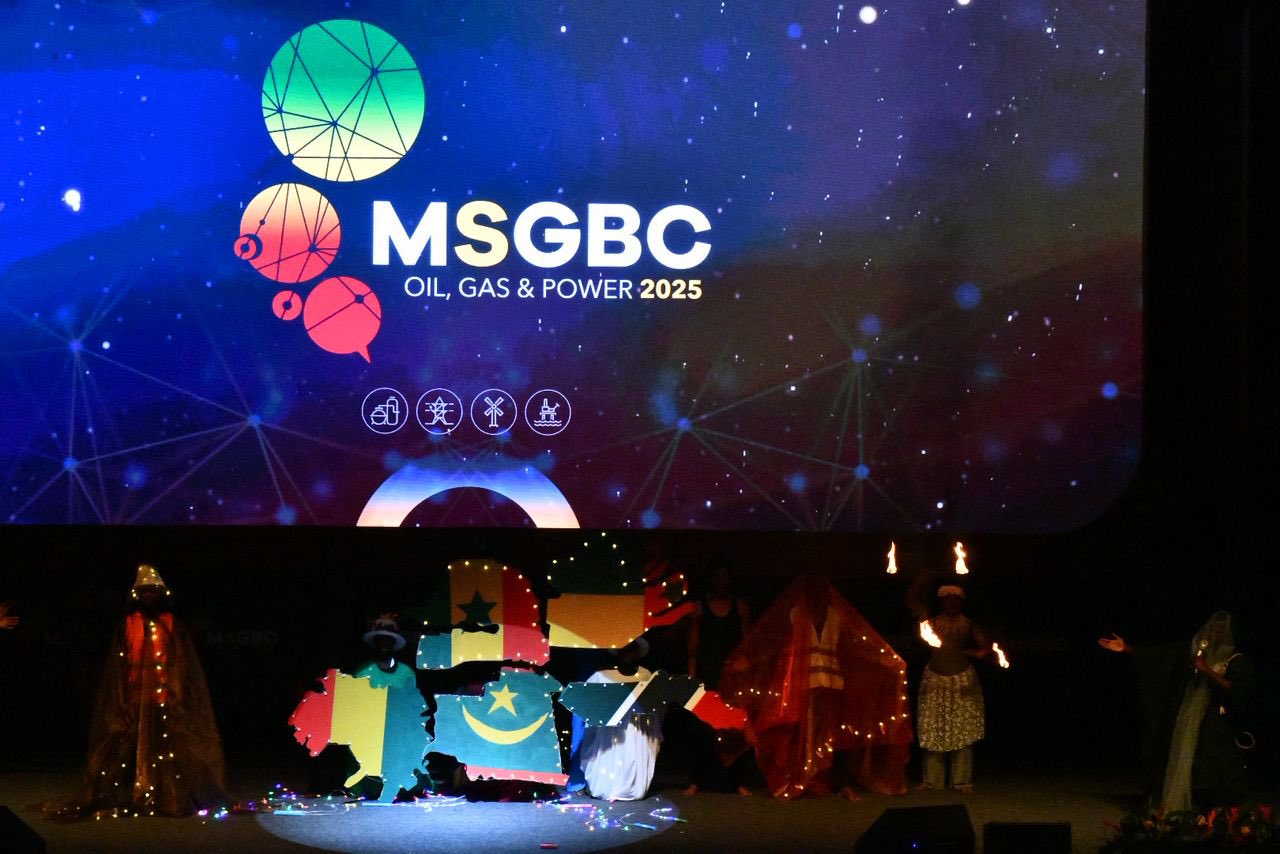

The recently concluded MSGBC Oil, Gas & Power 2025 conference in Dakar, Senegal, marked a turning point in how African governments and financial institutions intend to fund the continent’s energy and industrial ambitions. Held from December 8th to 10th, the gathering brought together policymakers, financiers and industry leaders who used the platform to confirm the immediate operationalization of the $5 billion African Energy Bank (AEB).
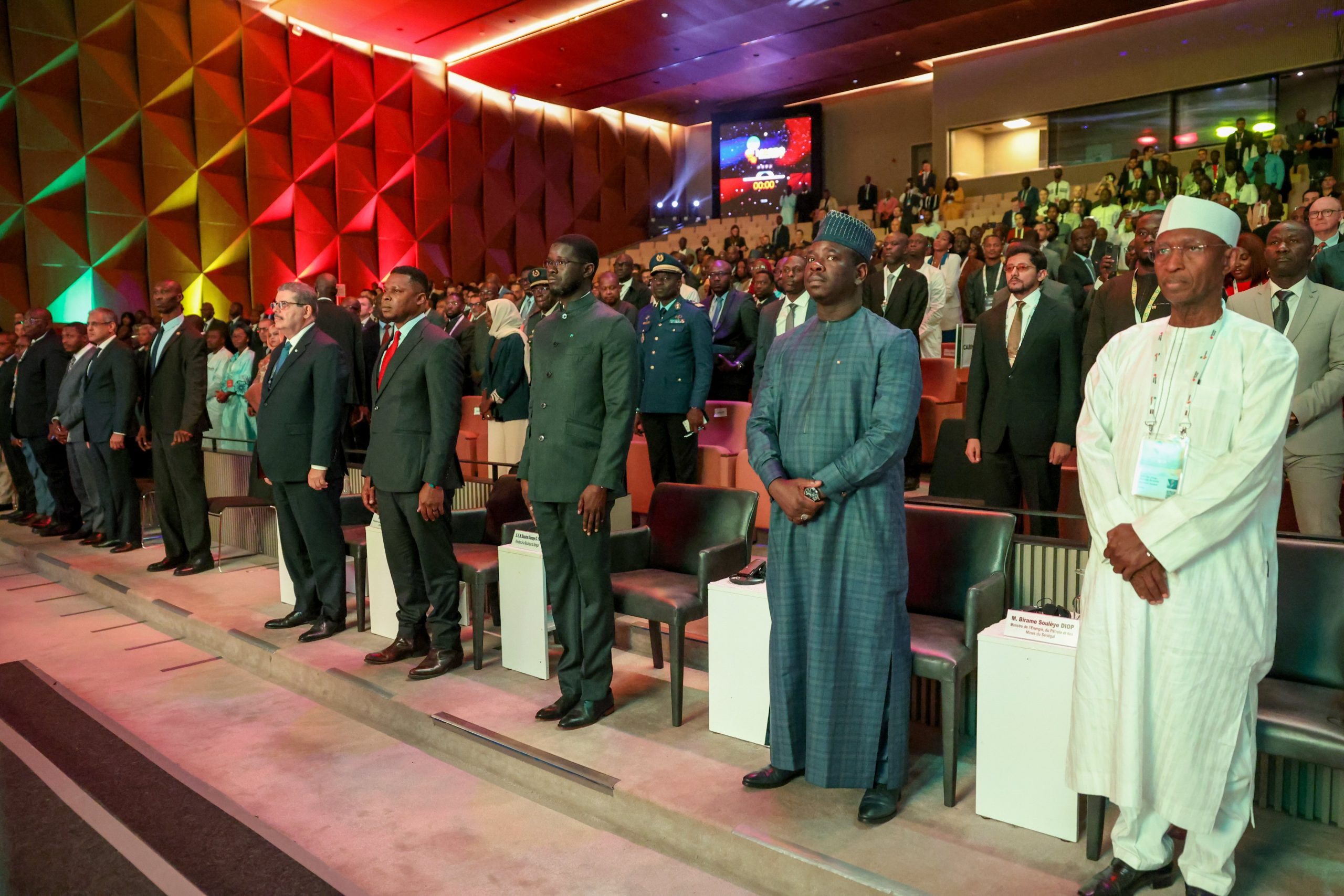
The announcement, made jointly by the African Petroleum Producers’ Organization (APPO) and the African Export-Import Bank (Afreximbank), signaled a clear intention to rebuild control over the financing of Africa’s natural resources and reduce reliance on external lenders whose priorities increasingly exclude conventional energy.

The urgency behind the AEB is rooted in the continent’s ongoing struggle with energy poverty. Decisions by global financiers to scale back support for hydrocarbons have collided with the reality that hundreds of millions of Africans still lack access to reliable electricity. In Nigeria, national access stands around 55 percent, with rural coverage far lower.
Ghana’s grid reaches about 85 percent of the population, yet power instability has become a significant drag on factory operations and economic output. Across sub-Saharan Africa, roughly 600 million people remain without electricity, a scale of deprivation that directly slows progress toward the Sustainable Development Goals.
Read also: Tunisia showcases regional leadership as AU gathers for 6th women, peace and security forum
Against this backdrop, the $5 billion capitalization of the AEB is being positioned not as a reaction to energy transition politics but as a practical mechanism to finance exploration, gas transport networks, refinery upgrades and renewable energy systems that global lenders have gradually withdrawn from.
The bank is expected to provide long-horizon, regionally anchored funding that allows African states to develop their estimated 125 billion barrels of oil and 600 trillion cubic feet of natural gas while still building the groundwork for cleaner energy systems.
The need for this financing was underscored by the Society of Petroleum Engineers (SPE), which estimates that Africa will require about $375 billion over the next decade to develop its natural gas potential. This figure reflects the gap between what is currently being invested and what is needed for gas to meaningfully support industrialization efforts.

The MSGBC Basin, covering Mauritania, Senegal, The Gambia, Guinea-Bissau and Guinea-Conakry, captures this gap in a concentrated geographical area. Senegal and Mauritania are pursuing projects such as the Sangomar oilfield and the Greater Tortue Ahmeyim (GTA) gas project, both of which depend on long-term, predictable capital.
Discussions in Dakar about creating a regional gas pipeline network showed how the AEB could finance infrastructure that links these new reserves to power plants and industries across West Africa, improving tariff stability and easing access.
Guinea-Conakry emerged as one of the more striking narratives from the event. Often overshadowed by its neighbors, the country is now positioning itself as a frontier for upstream investment. The national oil company, SONAP, presented 22 offshore blocks supported by more than 17,000 square kilometers of seismic data.
Read also: TotalEnergies strengthens position in Namibia with new stake in Mopane and Venus oil discoveries
Geological assessments shown at the conference indicated similarities between Guinea’s offshore structures and those of Guyana and Suriname, two countries that have discovered more than 10 billion barrels of recoverable oil in the past decade. By establishing a petroleum cadastre and pursuing international safety and quality certifications, Guinea is working to lower entry barriers for investors.
For a country where energy access remains limited and economic infrastructure underdeveloped, even modest commercial success in offshore exploration could provide revenue for ports, rail corridors and power generation, assets needed to broaden the country’s industrial base.
The sustainability implications run deeper than the technical discussion of hydrocarbons. Africa often finds itself navigating a global policy environment that treats fossil fuel development and climate action as mutually exclusive. The AEB introduces an alternative pathway: one in which African countries can finance gas-to-power infrastructure to stabilize their grids and support industrial expansion while also advancing investments in renewable energy.
Mauritania’s AMAN Green Hydrogen project, one of the world’s largest proposed green hydrogen developments, was referenced throughout the conference as an example of how the region can plan for low-carbon exports without abandoning the immediate need for reliable, affordable power. By using domestically controlled financing to support both gas and renewables, African states aim to build an energy system that addresses present economic constraints and prepares for a lower-carbon future.
In this sense, the launch of the African Energy Bank is not simply a funding announcement. It is a shift in how African economies intend to shape their development trajectory—using their own financial architecture to move from raw commodity exporters toward industrial systems built on stable power, strategic resource management and long-term revenue retention.
Engage with us on LinkedIn: Africa Sustainability Matters
Engage with us on LinkedIn: Africa Sustainability Matters