


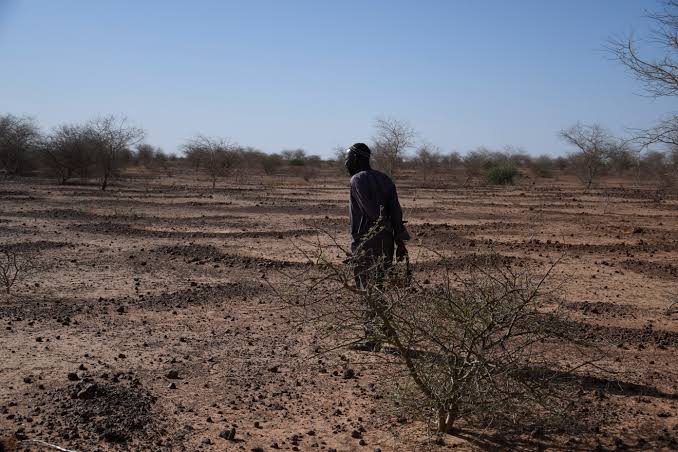
The African Union Commission and the African Development Bank convened a high-level investment summit in Ulaanbaatar, Mongolia, to accelerate capital mobilization for the Great Green Wall, signaling a major structural pivot from donor-dependent environmental grants to blended private-public finance. The joint initiative, aligned with discussions at the UN Convention to Combat Desertification COP17, targets the restoration of 100 million hectares of degraded land across eleven Sahelian countries by 2030, an ambitious target that has faced chronic funding shortfalls since its inception. By restructuring landscape restoration into bankable commercial opportunities spanning sustainable agriculture, commercial agroforestry, and verified carbon offset credits, regional institutions aim to de-risk investments across one of the continent’s most climate-vulnerable operating environments.
The economic mandate driving the financing pivot reflects growing fiscal pressure across African sovereign balance sheets, where accelerating land degradation threatens agricultural output, deepens rural poverty, and exacerbates food import dependence. In the Sahel region, where climate shocks directly destabilize agricultural supply chains and trigger rural-to-urban migration, restoring productive land is increasingly treated by regional central banks and finance ministries as a core macroeconomic priority rather than an isolated conservation effort. According to project framework disclosures, integrating private capital through carbon markets and debt-for-nature swaps provides sovereign borrowers with alternative fiscal mechanisms to finance climate adaptation without worsening national debt burdens or compromising primary budget allocations for essential public infrastructure.
The structural transition toward commercial sustainability metrics coincides with heightened regional alignment around corporate environmental, social, and governance standards and mandatory climate disclosure expectations across African capital markets. From South Africa’s retirement funds reforming asset manager oversight under Regulation 28 to East African regulators tightening ESG disclosure rules for listed firms, institutional investors across the continent are rapidly pricing physical and transition climate risks into corporate balance sheets. For regional agribusinesses, industrial concession holders, and renewable energy developers, demonstrated alignment with verified landscape restoration and community-level economic resilience is moving from a voluntary corporate social responsibility exercise to a mandatory condition for accessing international development finance and low-cost capital.
 Grounding land restoration in rural economic productivity has direct implications for food security, local employment, and sovereign fiscal stability across Sub-Saharan Africa. Expanding sustainable land management provides critical support to millions of smallholder farmers and pastoralists whose livelihoods depend on soil fertility, water retention, and rangeland health. By pairing international climate capital with localized land-tenure security, value-chain development, and off-grid solar infrastructure, regional policymakers are attempting to build an economic framework where environmental stewardship generates verifiable yields, expanded local tax bases, and long-term rural stability across the continent.


