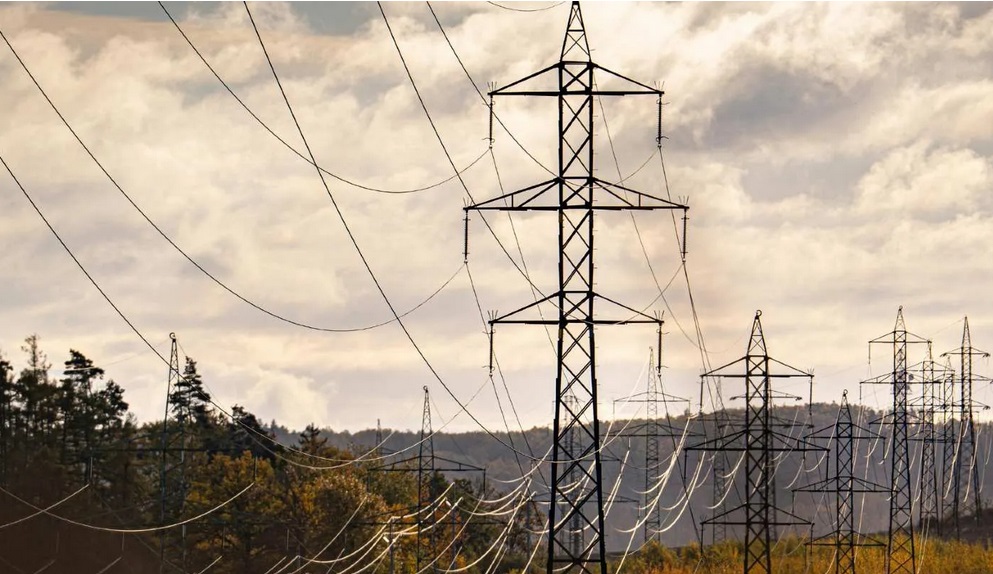
Africa’s electricity demand is expected to nearly double by 2050, reaching approximately 2,291 terawatt-hours (TWh), but the continent’s ability to meet this rising demand will depend less on generation capacity alone and more on whether transmission networks and regional power systems can expand at the same pace. An estimated US$30 billion investment in grid infrastructure will be required to strengthen transmission systems, integrate new generation capacity and support a more interconnected African electricity market.
The challenge reflects a growing imbalance across Africa’s energy sector. While investment in renewable energy, gas-to-power projects and hybrid electricity systems continues to accelerate, transmission infrastructure remains a major constraint. Without sufficient grid capacity, new power projects risk operating below potential or becoming stranded assets, limiting their economic impact. Across the continent, recent events have highlighted the vulnerability of existing electricity networks. In Nigeria, repeated nationwide grid collapses, including incidents as recent as February 2026, have exposed weaknesses in ageing transmission infrastructure despite the country’s significant electricity generation potential.

In East Africa, infrastructure challenges have also affected renewable energy assets. Tower failures along the 428-kilometre Loiyangalani-Suswa transmission line temporarily disrupted electricity evacuation from Lake Turkana Wind Power, Africa’s largest wind installation, demonstrating the importance of reliable transmission systems in connecting renewable energy resources to consumers. North Africa faces a different but related challenge, with electricity demand expected to increase by approximately 50% by 2035. Rising consumption is being driven by urbanisation, expanding industrial activity, desalination projects and higher cooling demand linked to increasing temperatures.
These trends underline a central issue facing African energy systems: generation capacity is expanding faster than the infrastructure required to transport and distribute electricity efficiently. The need for stronger grid networks is becoming increasingly important as African countries pursue energy access, industrialisation and economic transformation. Reliable electricity is essential for manufacturing, digital services, agriculture, mining and public infrastructure. However, achieving these goals requires not only additional power generation but also stronger transmission systems capable of moving electricity across regions.
This challenge is driving greater attention towards power market reforms, regional interconnection and innovative financing structures. These issues will be central themes at the newly launched Power Africa Today track at African Energy Week 2026, where policymakers, utilities, investors and energy developers are expected to discuss strategies for aligning generation expansion with grid development. Across Africa, electricity markets are gradually evolving. Although many countries continue to rely on vertically integrated state-owned utilities, a growing number are introducing reforms aimed at increasing private sector participation, improving efficiency and attracting new investment.
Zimbabwe opened its electricity market to full private participation across generation, transmission and distribution in 2025, targeting approximately US$9 billion in new investment. The reform represents a significant shift in a sector historically dominated by public utilities and is intended to create new opportunities for private developers. South Africa is pursuing one of the continent’s most ambitious transmission expansion programmes. The country plans to develop 14,500 kilometres of new transmission lines and 133,000 MVA of transformer capacity by 2034 as part of efforts to integrate renewable energy projects and strengthen grid reliability.
Kenya has also introduced open access regulations that allow independent power producers to supply electricity directly to multiple customers through the national grid. The approach is expected to reshape relationships between generators, utilities and electricity consumers by creating more flexible market arrangements. However, electricity market reforms remain uneven across the continent, and regional integration continues to face institutional and technical challenges. Africa’s power systems remain highly fragmented, with most electricity networks operating within national boundaries. Greater interconnection between countries could help balance supply and demand, improve reliability and allow countries to trade electricity more efficiently.
Progress is being made in several regions. In Southern Africa, the World Bank-supported RETRADE SAPP programme is strengthening renewable energy integration and transmission capacity across 12 member states. The initiative aims to support the Southern African Power Pool by improving regional electricity trading and grid resilience. In East Africa, the Ethiopia-Kenya-Tanzania Electricity Highway has entered trial operations with capacity of up to 2,000 megawatts. The project represents a major step towards creating a more interconnected regional electricity market by linking countries with different generation resources and demand profiles. West Africa is also advancing regional integration through the West Africa Power Pool, with permanent synchronisation expected in 2026. Greater regional coordination could allow countries to access additional generation capacity, particularly hydropower resources, while supporting industrial expansion.
Longer term, plans to synchronise Eastern and Southern African power pools could create one of the world’s largest cross-border electricity trading corridors, expanding opportunities for renewable energy deployment and regional economic integration. However, infrastructure alone will not be enough to create functional regional electricity markets. Investors continue to highlight financial and regulatory barriers, including weak utility balance sheets, limited availability of standardised power purchase agreements, uncertain payment structures and insufficient guarantees for cross-border transactions.
Addressing these challenges requires stronger financial mechanisms capable of reducing investment risks. New approaches are emerging, including intermediary models designed to improve creditworthiness and attract private capital.
Africa GreenCo, operating across Zambia, Namibia and South Africa, is one example of a market-based approach aimed at reducing counterparty risks. By aggregating independent power producers and providing a stronger intermediary structure, the organisation seeks to improve bankability for renewable energy projects.
According to AUDA-NEPAD, Africa requires approximately US$30 billion in additional investment to complete priority transmission corridors and establish three fully interconnected regional electricity trading blocs by 2030. The scale of investment required highlights the importance of combining public finance, development finance institutions and private capital. Without improved financing structures, many transmission projects may continue facing delays despite strong economic justification.
https://www.aecweek-registration.com/2026/
For Africa’s energy transition, the expansion of electricity generation must be matched by investment in the systems that connect power producers with consumers. Renewable energy projects, industrial facilities and growing urban centres all depend on transmission networks capable of delivering reliable electricity at scale. The future of Africa’s energy sector will therefore depend not only on how much electricity the continent generates, but also on how effectively it moves power across borders and markets.
As governments and investors gather to discuss the next phase of Africa’s electricity development, the focus is shifting from building isolated projects towards creating integrated energy systems capable of supporting economic growth, industrialisation and regional trade. The success of Africa’s energy ambitions will ultimately depend on whether transmission infrastructure, market reforms and financing frameworks evolve together.