


Angola has pledged to eliminate routine gas flaring across its oil industry by 2030, introducing financial penalties for non-compliant operators as the country intensifies efforts to reduce methane emissions while maintaining its position as one of Africa’s leading oil producers.
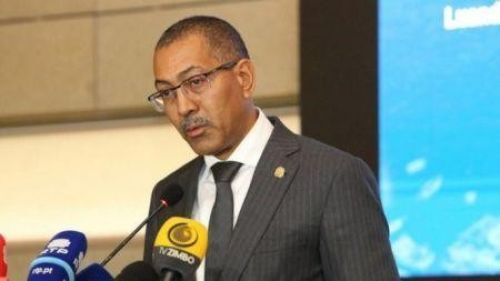
The commitment was announced on June 8 by Angola’s Minister of Mineral Resources, Petroleum and Gas, Diamantino Azevedo, during the opening of a regional workshop in Luanda focused on methane emissions linked to gas flaring. The move forms part of Angola’s broader strategy to align its hydrocarbon sector with climate objectives while safeguarding revenues from oil production, which remains a cornerstone of the national economy.
“Reducing methane emissions is one of the most effective, rapid and economically viable measures to combat climate change,” Azevedo said, according to comments reported by the state news agency ANGOP.He added that operators failing to comply with the 2030 target would face financial sanctions under new regulatory measures being developed by the government.
Methane is widely regarded as one of the most potent greenhouse gases, with a significantly greater warming effect than carbon dioxide over shorter time horizons. Eliminating routine gas flaring has therefore emerged as a key priority for governments and energy companies seeking to reduce emissions from oil and gas operations.
Beyond enforcement measures, Angola plans to implement a series of interventions aimed at accelerating emissions reductions across the sector. These include expanding leak detection and repair programmes, eliminating routine flaring, electrifying industrial facilities, deploying carbon capture and storage technologies, and investing in alternative energy pathways such as green hydrogen and biofuels.
The announcement builds on progress already achieved over the past decade and a half. According to industry data cited by Or Noir Africa, Angola has reduced gas flaring by approximately 60% over the last 15 years. World Bank satellite monitoring data indicate that flared gas volumes fell from 4.5 billion cubic metres in 2016 to 1.7 billion cubic metres in 2022, reflecting sustained efforts to capture and utilize associated gas that would otherwise be burned off.
Read also:Angola attracts frontier energy investors as Angola Oil & Gas conference 2025 draws near
A major contributor to that reduction has been the Angola LNG project in Soyo, which processes and exports around 1.1 billion cubic feet of associated gas per day. By converting previously flared gas into a commercially viable product, the project has helped improve resource efficiency while reducing emissions from upstream oil operations.

The country’s progress has distinguished it from some of Africa’s largest gas-flaring nations. While countries such as Algeria, Nigeria and Libya remained among the world’s leading gas-flaring states in 2024, Angola did not feature among the top nine global flaring countries, underscoring the impact of investments in gas infrastructure and utilization projects.
Technological innovation is also beginning to play a role in Angola’s decarbonization agenda. Earlier this year, Malaysian offshore production specialist Yinson Production commissioned its first carbon capture system aboard a floating production vessel operating at the offshore Agogo field, marking a notable step toward reducing emissions from offshore petroleum activities.
Despite these gains, Angola faces a complex balancing act. Global gas flaring reached 151 billion cubic metres in 2024, its highest level since 2007, highlighting the persistent challenge of reducing emissions across the international oil and gas industry. At the same time, Angola remains Africa’s second-largest crude oil producer, with output averaging about 1.1 million barrels per day.
The government therefore faces the dual challenge of sustaining oil production to support economic growth while advancing climate commitments and emissions reductions. Analysts at Climate Analytics have described Angola’s approach as a pragmatic pathway that seeks to combine continued development of its petroleum sector with a gradual transition toward lower-carbon energy systems.
That strategy is reflected in Angola’s updated Nationally Determined Contribution (NDC), submitted to the United Nations in September 2025. Under the plan, the country has committed to reducing greenhouse gas emissions by 5% by 2035 compared with projected levels, with the potential to increase reductions to 11% if sufficient international financial and technical support becomes available.

https://www.aecweek-registration.com/2026/
As African oil-producing nations navigate growing pressure to decarbonize while pursuing energy security and economic development, Angola’s efforts to eliminate routine gas flaring may offer a model for balancing climate action with the realities of hydrocarbon-dependent economies. The success of the initiative, however, will depend on effective enforcement, continued investment in gas utilization infrastructure and the availability of technologies capable of reducing emissions without undermining production.


