


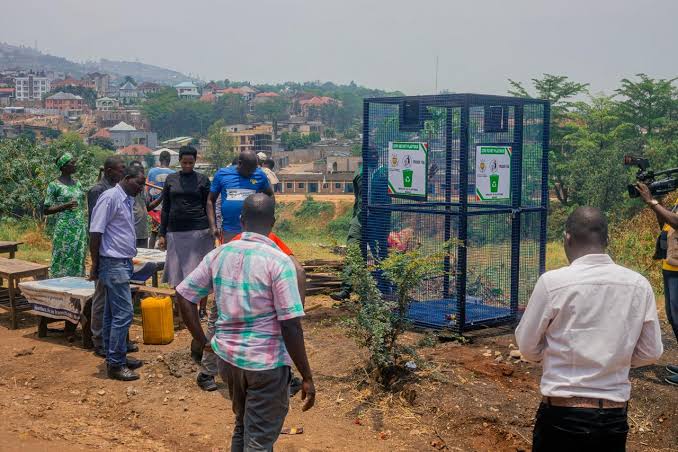
Burundi has intensified efforts to improve urban sanitation by placing greater accountability on local authorities to enforce hygiene regulations, following concerns that inconsistent oversight has undermined waste management and environmental health across the country. The measures, announced after a Council of Ministers meeting on 17 July 2026, introduce weekly compliance inspections and tighter supervision of municipal sanitation programmes as the government seeks to strengthen public health, improve urban governance and align with broader continental commitments on water and sanitation.
The new directive comes amid growing concern over persistent litter, inadequate waste collection and declining cleanliness standards in several cities, towns and transport corridors. According to government spokesperson and Secretary General Jérôme Niyonzima, previous sanitation initiatives introduced by various ministries have not delivered consistent results because district administrators, zone chiefs, neighbourhood leaders and village authorities have not uniformly enforced existing hygiene regulations. The government argues that stronger local oversight is essential to reversing these trends and improving the quality of urban environments.
Under the revised framework, one day each week will be dedicated to monitoring sanitation compliance. Local authorities will inspect residential areas, businesses and public institutions to assess adherence to hygiene standards while enforcing penalties where regulations are not respected. Government institutions have also been instructed to improve sanitation management within their own facilities, reflecting an effort to strengthen accountability across both the public and private sectors.
According to officials, improving household waste management forms a central pillar of the strategy. Companies contracted to collect domestic waste have been directed to increase operational efficiency, improve service delivery and address governance weaknesses, including reported conflicts of interest affecting parts of the waste management sector. Authorities believe that more reliable waste collection systems will reduce environmental pollution, minimise public health risks and support cleaner urban settlements.
The reforms coincide with the African Union’s 2026 focus on sustainable water and sanitation systems under Agenda 2063, reinforcing the growing recognition that sanitation is both a development priority and an economic concern. Across Africa, inadequate waste management continues to impose significant costs through higher healthcare expenditure, environmental degradation and reduced productivity. According to international development institutions, poor sanitation also affects tourism competitiveness, investment attractiveness and the resilience of rapidly expanding urban centres.
For Burundi, strengthening sanitation governance has implications beyond improving city cleanliness. Better waste management contributes to disease prevention by reducing exposure to waterborne and vector-borne illnesses associated with unmanaged refuse and poor drainage. Cleaner urban environments also support more efficient municipal service delivery, enhance the quality of public spaces and improve conditions for commerce and small businesses that depend on functioning urban infrastructure.
Regional comparisons illustrate both the opportunities and challenges facing Burundi’s initiative. Rwanda has received international recognition for maintaining relatively high urban cleanliness standards through sustained community participation, structured waste collection systems and consistent regulatory enforcement. Analysts note, however, that replicating similar outcomes requires long-term institutional commitment, adequate municipal financing and sustained public engagement rather than periodic enforcement campaigns alone.
The effectiveness of Burundi’s reforms will therefore depend on implementation capacity at local government level. Weekly inspections may improve compliance, but durable improvements will also require investment in waste collection infrastructure, landfill management, recycling systems and public awareness programmes. Strengthening municipal institutions responsible for environmental services will be equally important as urban populations continue to expand and place greater pressure on sanitation systems.
 The initiative also reflects a broader shift in environmental governance across Africa, where sanitation is increasingly being treated as a component of sustainable urban development rather than solely a public health issue. As cities grow and climate-related pressures place additional strain on infrastructure, governments are recognising that effective waste management contributes to environmental resilience, protects water resources and supports more inclusive economic development.
By reinforcing local accountability while improving waste collection and sanitation oversight, Burundi is seeking to address a long-standing governance challenge that affects public health, environmental sustainability and urban economic performance. Whether these measures translate into lasting improvements will depend on continued coordination between national ministries, municipal authorities, private waste operators and local communities, as well as sustained investment in the systems needed to support cleaner and more resilient cities.


