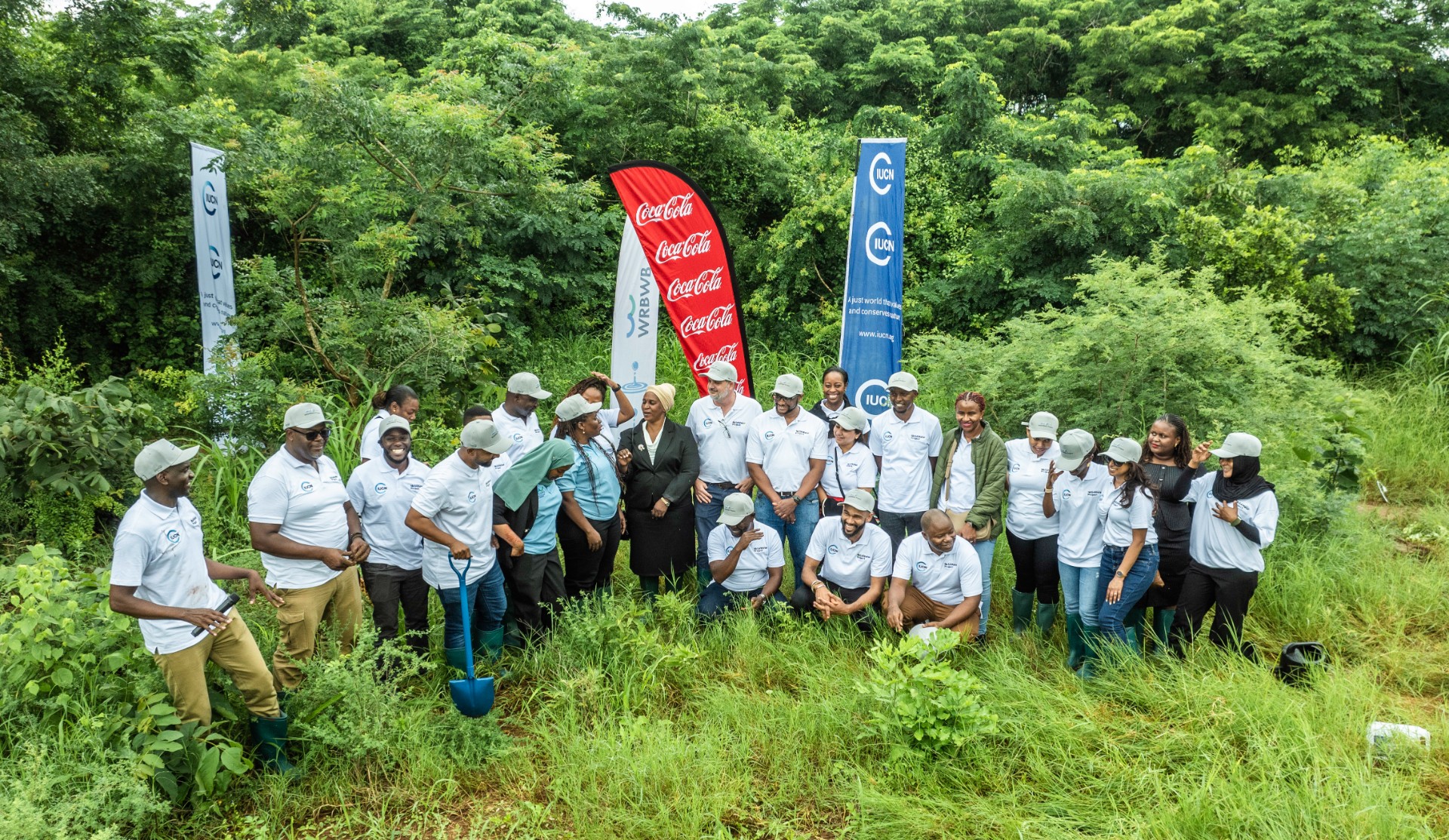

The Coca-Cola system has committed US$1.94 million to restore the Ruvu Basin, a critical water source that supplies the fast-growing commercial capital of Dar es Salaam and supports agriculture, industry, and livelihoods across eastern Tanzania.
The investment targets the Ngerengere catchment within the Ruvu sub-basin, where ecosystem degradation and rising demand for water have intensified pressure on water supplies. The initiative aims to strengthen water security through nature-based solutions, including reforestation, catchment restoration, and improved watershed management practices designed to sustain long-term water availability.
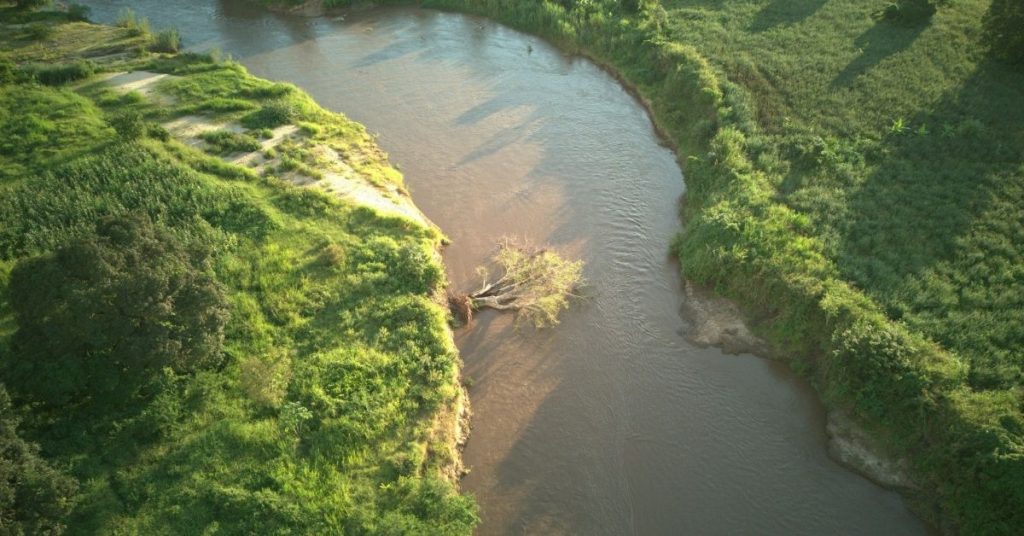
The Ruvu Basin is one of Tanzania’s most important freshwater systems, serving millions of residents and underpinning economic activity in the country’s largest urban centre. Rapid population growth, land-use changes, and climate variability have increased the risk of water shortages, placing greater emphasis on restoring natural ecosystems that regulate water flows and maintain water quality.
Implementation of the project is being led by the Global Water Challenge and delivered by the International Union for Conservation of Nature, in partnership with the Wami-Ruvu Basin Water Board. The programme will focus on restoring degraded catchment areas, strengthening local capacity for water stewardship, and promoting climate-resilient agricultural practices among rural communities.
At least 2,000 farmers are expected to benefit from training and technical support to adopt sustainable land management techniques that reduce soil erosion, improve water retention, and enhance productivity. These interventions are intended to improve both environmental sustainability and household resilience in communities that depend directly on the watershed.
The initiative forms part of the broader Africa Water Stewardship Initiative, launched in 2024 by the Coca-Cola system to address water scarcity and sanitation challenges across the continent. The programme represents a planned investment of nearly US$25 million to support water security and watershed restoration projects in 20 African countries by 2030, reflecting growing private-sector involvement in climate resilience and natural resource management.
Read also: PepsiCo and Unilever launch global regenerative farming drive with lessons for Africa’s food systems
Water scarcity is increasingly recognised as a strategic risk to economic development across sub-Saharan Africa, where urban expansion and changing rainfall patterns are placing strain on freshwater resources.
In cities such as Dar es Salaam, reliable access to clean water remains essential for public health, industrial growth, and food production, making watershed protection a priority for both government and private-sector stakeholders.
According to Alfred Olajide, Vice President for Franchise Operations in East and Central Africa at Coca-Cola, strengthening water stewardship is central to managing future supply risks. He noted that improving water-use efficiency and restoring natural ecosystems can help ensure that communities and businesses continue to have access to safe and reliable water sources.
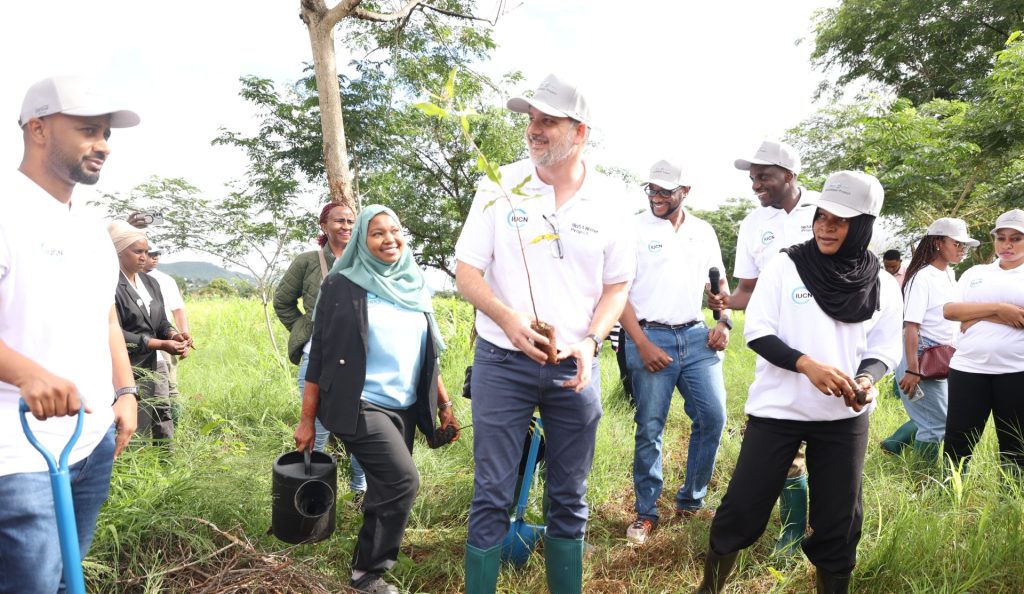
Local industry leadership emphasised the importance of collaborative action in addressing water challenges. David Chait, Managing Director of Coca-Cola Kwanza, said companies operating in water-stressed regions have a responsibility to protect the natural resources on which communities and economic activity depend.
Environmental partners involved in the project highlighted the role of ecosystem restoration in supporting climate adaptation and rural livelihoods. Charles Oluchina, Country Representative for the International Union for Conservation of Nature in Tanzania, said restoring the Ngerengere catchment will help improve water availability while creating opportunities for sustainable income generation in surrounding communities.
As governments across Africa prioritise climate resilience and sustainable resource management, initiatives that combine environmental restoration with community development are gaining momentum. The Ruvu Basin project illustrates how partnerships between businesses, conservation organisations, and public institutions can help safeguard critical water systems while supporting inclusive economic growth.
Engage with us on LinkedIn: Africa Sustainability Matters