
Egypt’s drive towards a circular economy have recently received a boost following high-level discussions between the government and L’Oréal Egypt aimed at deepening sustainability efforts and reducing environmental impact.
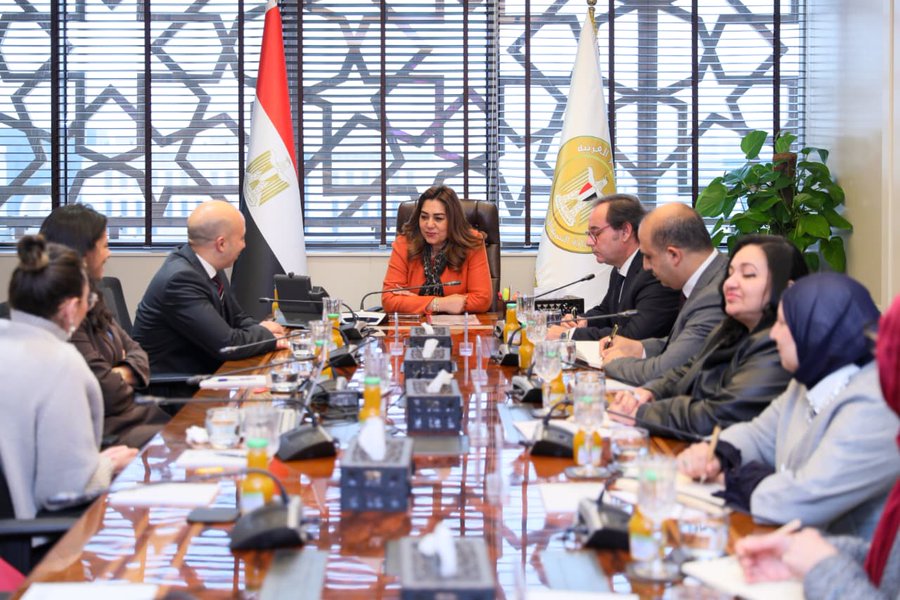
The talks, held between Minister of Local Development and Environment Manal Awad and senior executives from the multinational cosmetics firm, focused on advancing waste management, carbon reduction, and broader green initiatives across production and supply chains.
The meeting reviewed L’Oréal Egypt’s roadmap for reducing carbon emissions, increasing the use of recycled plastics, and achieving zero waste across its manufacturing processes. These initiatives are aligned with the country’s national circular economy strategy, which positions environmental and climate-focused investments as critical drivers of economic growth and job creation.
Read also: Coca-Cola invests $1.94 million to restore key water source serving Dar-es-Salaam
Minister Awad underscored the government’s support for private-sector engagement in environmental sectors, highlighting that collaboration with companies like L’Oréal is central to scaling sustainable solutions. “We are committed to enabling partnerships that not only protect the environment but also generate employment and foster innovation in green industries,” she said. The Minister also called for coordinated action in emissions reduction, carbon credit trading, and public awareness campaigns designed to encourage recycling and responsible resource use.
L’Oréal Egypt, which has been operating in the country since 2009, employs approximately 450 staff and has invested over €100 million in local operations. The company runs its production facilities entirely on renewable energy and has implemented water recycling systems to minimize consumption, complementing its efforts to reduce carbon emissions beyond targets set for 2025.
Chief Executive Mohamed El-Araby reaffirmed the company’s commitment to sustainability and its partnership with the Egyptian government. “Sustainability is at the core of L’Oréal’s operations. Our collaboration with the government ensures measurable environmental impact while supporting community development and women’s empowerment,” he said. L’Oréal’s initiatives aim not only to reduce the environmental footprint of its operations but also to foster wider cultural shifts in consumption and waste management.
Observers note that Egypt’s engagement with multinational corporations on circular economy strategies reflects a growing continental trend. Across Africa, governments are increasingly seeking private-sector partnerships to implement sustainable production practices, reduce plastic waste, and leverage climate finance mechanisms. Initiatives like L’Oréal Egypt’s zero-waste production models serve as examples of how multinational expertise can support local environmental objectives while also enhancing economic resilience.
Experts in environmental policy argue that the focus on extended producer responsibility; requiring manufacturers to manage the lifecycle of their products and packaging, will be essential in curbing plastic pollution and driving circularity in African urban centers.
With global consumption of plastics continuing to rise, companies integrating recycled materials and water-efficient production technologies can help governments meet both climate and developmental goals.
The discussions between the Egyptian Ministry and L’Oréal come as the government seeks to balance industrial growth with environmental protection, positioning sustainability as a key pillar of economic modernization.
By aligning corporate action with national priorities, Egypt hopes to accelerate adoption of circular economy principles, reduce greenhouse gas emissions, and build public awareness on responsible consumption, a model that could be instructive for other African economies pursuing similar green transitions.
Engage with us on LinkedIn: Africa Sustainability Matters