
Egypt has secured a new foreign investment in its agri-processing sector as Polish frozen food producer Fruitful moves to establish operations in the country through a partnership with Elsewedy Industrial Development. The agreement, confirmed on December 15 by Egypt’s General Authority for Investment and Free Zones, will see a horticultural processing facility built in 10th of Ramadan City, adding fresh momentum to Egypt’s push to move further up agricultural value chains and expand export-oriented food manufacturing.

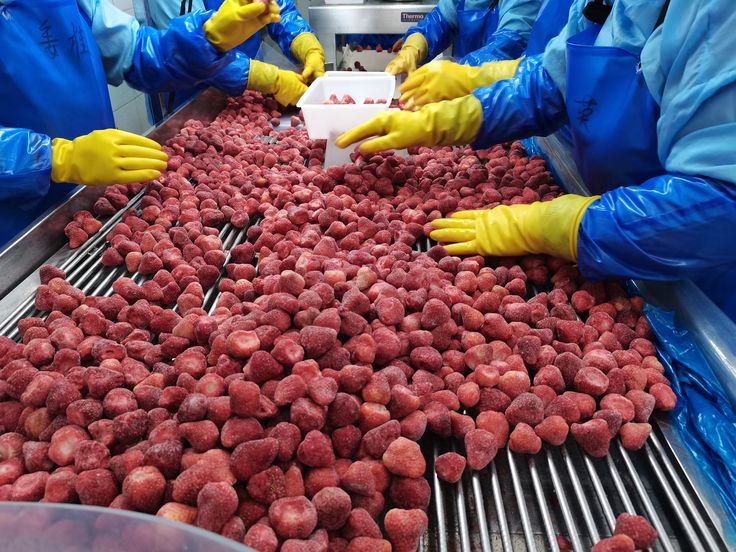
The project will be developed on a 0.9-hectare site and will focus on the processing of fruits into frozen products using individually quick freezing and freeze-drying technologies. Once operational, the plant is expected to produce up to 600 tonnes of frozen food per month, with most of the output destined for international markets. While the investment value has not been disclosed, authorities say the project will generate more than 5,000 direct and indirect jobs across farming, processing, cold storage and logistics.
Read also: Africa’s Cocoa, Coffee and Timber exports face new EU timeline under EU Deforestation Rules
The decision by Fruitful to locate its investment in Egypt reflects structural advantages that have reshaped the country’s horticultural sector over the past decade. Egypt combines large-scale agricultural production with expanding industrial zones, transport infrastructure and trade agreements that provide access to European, Middle Eastern and African markets. The 10th of Ramadan industrial city, in particular, has become a magnet for food processors seeking proximity to farms, ports and refrigerated logistics.
For Egypt’s farmers, the arrival of new processing capacity has practical implications. The country is Africa’s largest producer of strawberries, with average annual output of about 613,500 tonnes between 2019 and 2023, according to Tridge. It is also the continent’s second-largest mango producer after Malawi, with production estimated at around 1.5 million tonnes per year. Despite these volumes, a significant share of fruit has traditionally been sold fresh or exported with limited processing, exposing producers to price volatility, post-harvest losses and tight seasonal windows.

Frozen and freeze-dried processing extends shelf life and opens access to higher-value markets, particularly in Europe, where demand for traceable and standardized fruit products continues to grow. For exporters, this translates into more predictable revenue streams and reduced waste. For workers, it creates year-round employment beyond harvesting seasons, particularly for women and young people who dominate sorting, grading and processing roles.
The investment also fits into a wider African trend in which foreign and domestic firms are shifting processing closer to production zones. Across the continent, post-harvest losses for fruits and vegetables are estimated by the FAO to reach up to 40 percent in some countries due to inadequate storage and processing. Governments have increasingly turned to agro-industrial development as a way to address these losses while strengthening food systems and export competitiveness.
Read also: Ghana bans mining in forest reserves, testing the future of environmental enforcement
Egypt’s fruit sector already plays a significant role in the country’s trade balance. FAO data show that fruit exports generated $2.46 billion in revenue in 2023, making Egypt Africa’s second-largest fruit exporter by value after South Africa. Products such as citrus, strawberries and grapes dominate shipments, with Europe as a key destination. Expanding processed exports could help Egypt capture a larger share of downstream value while insulating earnings from climate-related production shocks that affect fresh produce.
From a sustainability perspective, the project raises questions that extend beyond production volumes. Cold-chain infrastructure and energy use are critical factors in frozen food processing, particularly in a region facing water stress and rising temperatures. Egypt has invested heavily in industrial utilities and renewable energy over recent years, and how new facilities integrate energy efficiency and water management will shape their long-term footprint.
For Fruitful, Egypt offers a production base capable of supplying raw materials at scale while meeting international standards. For Egypt, the partnership signals continued confidence from European investors at a time when global agri-food supply chains are under pressure from climate risks, trade regulation and shifting consumer preferences.
As Africa’s horticultural exports face stricter sustainability and traceability requirements in global markets, investments that anchor processing, jobs and logistics locally are increasingly central to competitiveness. The Fruitful project adds to that trajectory, reinforcing Egypt’s role as a regional hub for fruit processing and export-oriented agribusiness.
Engage with us on LinkedIn: Africa Sustainability Matters
Engage with us on LinkedIn: Africa Sustainability Matters