
Egypt is seeking to deepen continental mining cooperation and attract fresh investment through participation in African Mining Week (AMW) 2026, as officials from the Ministry of Petroleum and Mineral Resources met event organisers in Cape Town on February 16 to outline Cairo’s strategy for expanding its role in Africa’s mineral value chains.
The meeting, held with Energy Capital & Power (ECP), focused on Egypt’s anticipated participation in the October 14–16 gathering at the Cape Town International Convention Centre, which convenes African mining jurisdictions, global investors and service providers. According to officials present, discussions also covered Egypt’s longer-term engagement with the platform, including interest in hosting a future edition.
Read also: Republic of Congo increases LNG exports as phase 2 launch raises gas capacity to 3 million tonnes
The Egyptian delegation was led by Yasser Ramadan, Chairman of the Egyptian Mineral Resources and Mining Industries Authority, alongside senior ministry officials overseeing energy efficiency, technical affairs and communications. Their presence signalled a coordinated push by Cairo to position mining as a pillar of industrial policy and foreign investment strategy at a time when African governments are recalibrating their approach to resource extraction.
Egypt’s mining sector has historically lagged hydrocarbons in terms of policy focus and revenue contribution. However, authorities have in recent years revised concession models and licensing frameworks to make exploration more competitive.
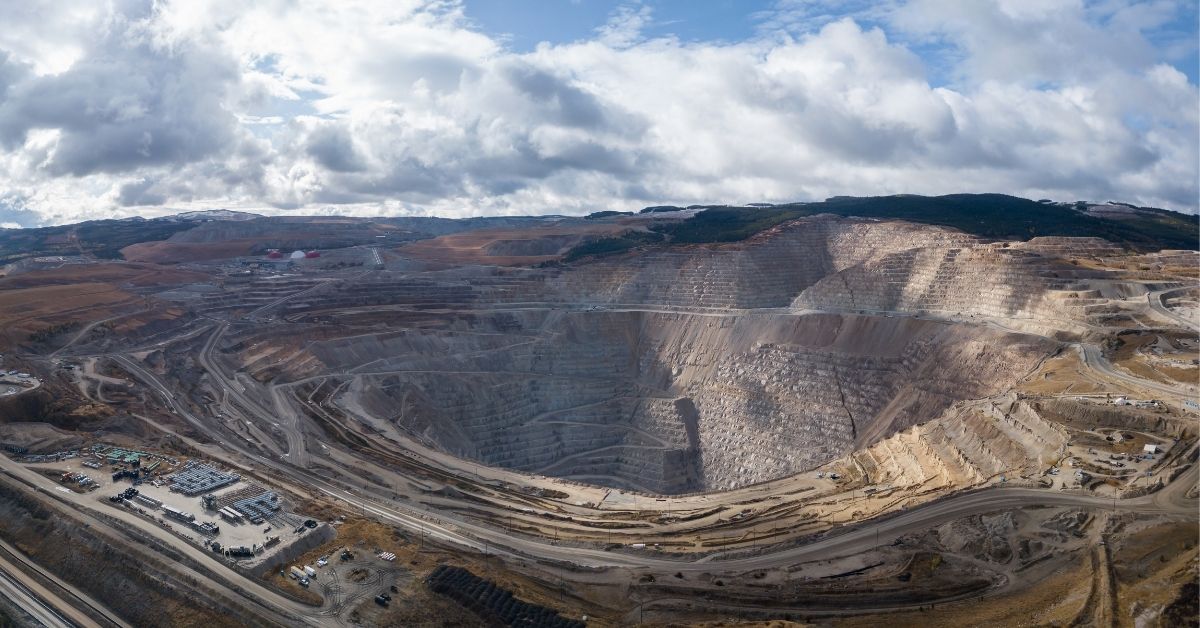
According to government estimates, the country holds more than 9 million ounces of gold reserves, alongside substantial deposits of iron ore, phosphates, copper and high-purity silica sand concentrated in the Eastern Desert and Sinai Peninsula. The Sukari gold mine remains the country’s flagship operation, but policymakers are seeking to diversify beyond single-asset dependence.
Central to that effort is a digital mining cadastre scheduled for launch in the second quarter of 2026. Officials say the platform is designed to reduce administrative bottlenecks, increase transparency in licence allocation and shorten permitting timelines. For investors accustomed to lengthy approval processes in parts of the continent, regulatory efficiency has become a material factor in capital allocation decisions. According to industry data, exploration budgets across Africa have recovered modestly since the pandemic but remain sensitive to governance risk and fiscal uncertainty.
Egypt is also emphasising mineral processing and beneficiation. In late 2025, Cairo signed a gold value chain financing agreement with the African Export-Import Bank aimed at strengthening domestic refining and downstream capacity. The shift mirrors a broader continental trend, as countries from Ghana to Tanzania seek to retain more value from mineral exports amid rising global demand for critical minerals used in renewable energy technologies and electric vehicles.
The discussions in Cape Town extended beyond national promotion. Egyptian officials highlighted ongoing cooperation talks with Ghana and Nigeria to strengthen intra-African mining partnerships. Such collaboration could take the form of shared regulatory experiences, joint geological surveys or coordinated approaches to mineral marketing.
While cross-border industrial integration remains uneven across the continent, forums such as AMW increasingly serve as venues for aligning policy priorities under the African Continental Free Trade Area framework.
For African economies, the stakes are fiscal as well as industrial. Mining revenues account for a significant share of export earnings and public finances in several jurisdictions, yet volatility in commodity prices and limited downstream processing constrain long-term value capture. Egypt’s effort to modernise its regulatory architecture and promote beneficiation reflects an understanding that competitiveness now depends not only on geology but on institutional capacity.
Engage with us on LinkedIn: Africa Sustainability Matters