


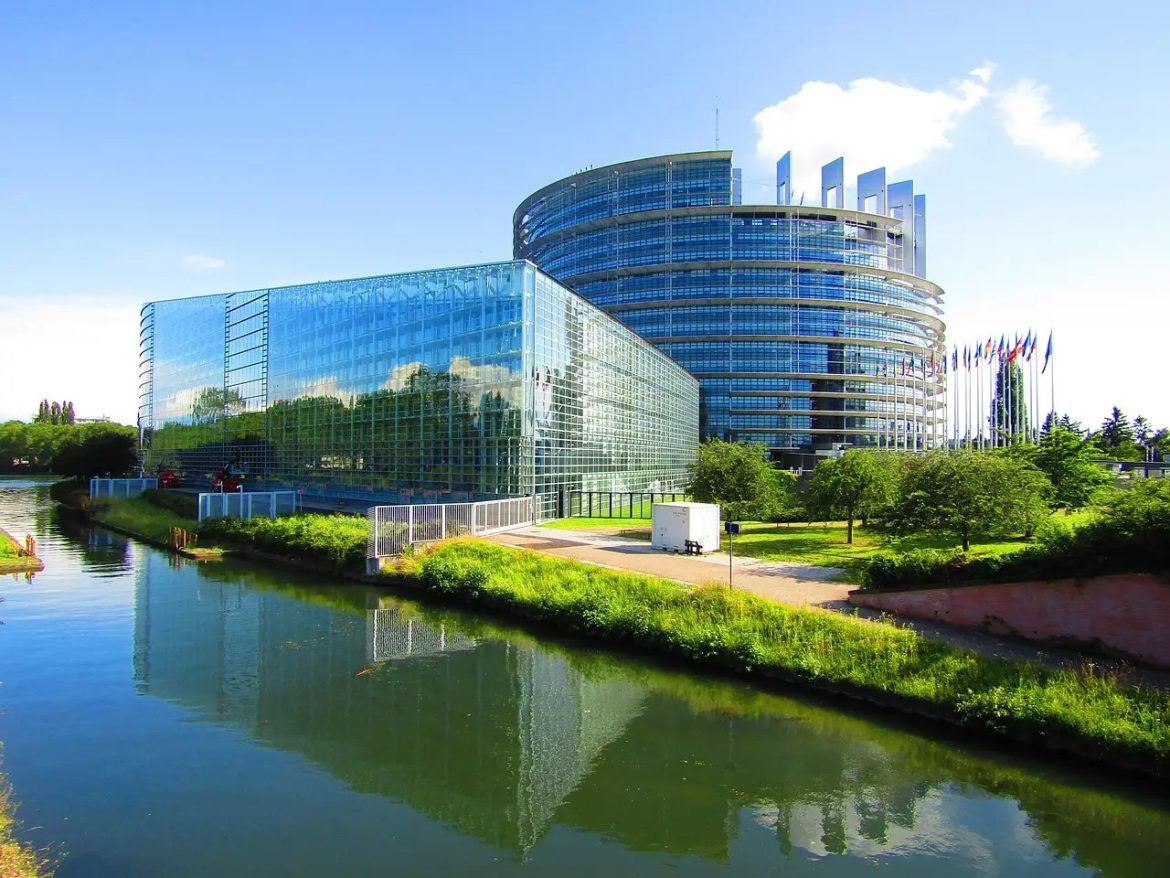
A proposed overhaul of European Union fisheries funding is facing opposition from environmental organisation BLOOM, which is urging lawmakers to prevent public money from supporting the expansion of industrial fishing fleets as the European Parliament prepares to vote on rules governing the sector’s 2028–2034 funding period.
The warning comes ahead of an expected December 3, 2026 vote by the Parliament’s Committee on Fisheries (PECH), where amendments to the next generation of EU fisheries funding are due to be considered. BLOOM argues that proposals under discussion could weaken safeguards against overfishing and reopen support for fleet expansion, vessel renewal and fishing practices it considers environmentally destructive.
The debate concerns how billions of euros in public funding will be allocated across the European fishing sector, at a time when policymakers face pressure to balance the economic needs of coastal communities with the recovery of marine ecosystems. The outcome could shape investment in fishing capacity, conservation, monitoring and the transition towards lower-impact fishing for the next seven years.

At an event held in the European Parliament in Strasbourg on November 23, BLOOM screened an abbreviated version of its documentary, The End of Ogres. Fishers, scientists and Members of the European Parliament discussed the future of European oceans and coastal communities, with the organisation using the event to press for a shift in public support away from large industrial vessels and towards small-scale fisheries and marine restoration.
At the centre of BLOOM’s campaign is a proposal to phase out the European fleet’s 638 fishing vessels measuring 33 metres or more by 2035. The organisation says these vessels represent approximately 1% of the EU fishing fleet but account for a disproportionate share of environmental damage and receive substantially higher levels of public support than small-scale operators.
BLOOM argues that the large vessels generate ten times fewer jobs per tonne of fish landed than low-impact passive fisheries, while receiving seven times more subsidies per job. It also says the vessels operate an average of 4,000 kilometres from their registered ports, placing them in direct competition with smaller fishing businesses that depend more closely on local coastal economies.
The organisation is calling for half of EU fisheries funding to be allocated to marine conservation, restoration, fisheries control and data collection. The remaining half would support small-scale coastal fishers and the transition towards lower-impact fishing, including the permanent cessation of vessels measuring 33 metres or more.
Raphaël de Wael, EU policy officer at BLOOM, said an analysis of three decades of EU public spending showed that existing funding arrangements had failed to protect both marine ecosystems and fishing-related employment. He argued that the forthcoming budget offered Parliament an opportunity to redirect public resources towards coastal communities and ocean recovery.
BLOOM founder Claire Nouvian said the organisation considered the interests of large industrial operators to be distinct from those of small-scale fishers. She argued that the size and operating patterns of the largest vessels allowed them to exert pressure on marine resources and compete with smaller operators for fish stocks and public support.
The organisation’s position has drawn support from several lawmakers who attended the Strasbourg event. Socialists and Democrats MEP Jean-Marc Germain criticised the environmental impact of large industrial fishing operations, while Emma Fourreau of The Left called for public subsidies to be redirected towards small-scale fisheries and marine protection. David Cormand of the Greens/European Free Alliance argued that public budgets should not finance activities that contribute to environmental damage.
The concerns also reflect tensions over the distribution of public support within the fishing sector. Small-scale coastal fisheries often have a direct relationship with local ports, markets and employment, while large industrial vessels operate at a different scale and can access fishing grounds far from their home ports. The funding debate therefore extends beyond environmental protection to questions of regional employment, food supply, ownership and the economic future of coastal communities.
Frédéric Drogerys, who worked as a fisher in Dunkirk for 35 years, said industrial vessels could catch volumes of fish far beyond the capacity of small-scale boats. He described some of the largest vessels as more comparable to cargo ships than traditional fishing boats and called for public funding to support their removal from the fleet.
BLOOM is also seeking an end to subsidies for bottom-trawling and other fishing practices it considers destructive. It wants public support redirected towards lower-impact fishing gear and assistance for people affected by the transition. The organisation further opposes public aid for operations targeting overfished stocks or engaging in illegal, unreported and unregulated fishing.
Its proposals include greater transparency over fisheries subsidies, with public disclosure of funding data intended to make it easier to assess how public resources are distributed and what environmental and employment outcomes they support. The organisation says these priorities should be reflected not only in fisheries funding rules but also in the proposed National and Regional Partnership Plans (NRPP) and Performance Regulations, which will help shape the implementation of the next EU budget. Consistent safeguards across these frameworks, it argues, would reduce the risk of public money supporting activities that undermine wider environmental objectives.
The December vote is a committee-stage decision rather than the final adoption of the EU’s next long-term budget. Further negotiations and legislative decisions will determine the eventual funding framework. Nevertheless, the committee’s position could influence the direction of subsequent discussions over which fishing activities qualify for public support and what conditions should apply.
For the European fishing sector, the central question is how public investment can sustain livelihoods and food production without deepening pressure on already stressed marine ecosystems. BLOOM’s campaign places the distribution of subsidies at the heart of that debate, arguing that the next funding period should prioritise smaller-scale operators, ecosystem recovery and a transition away from the most damaging forms of industrial fishing.