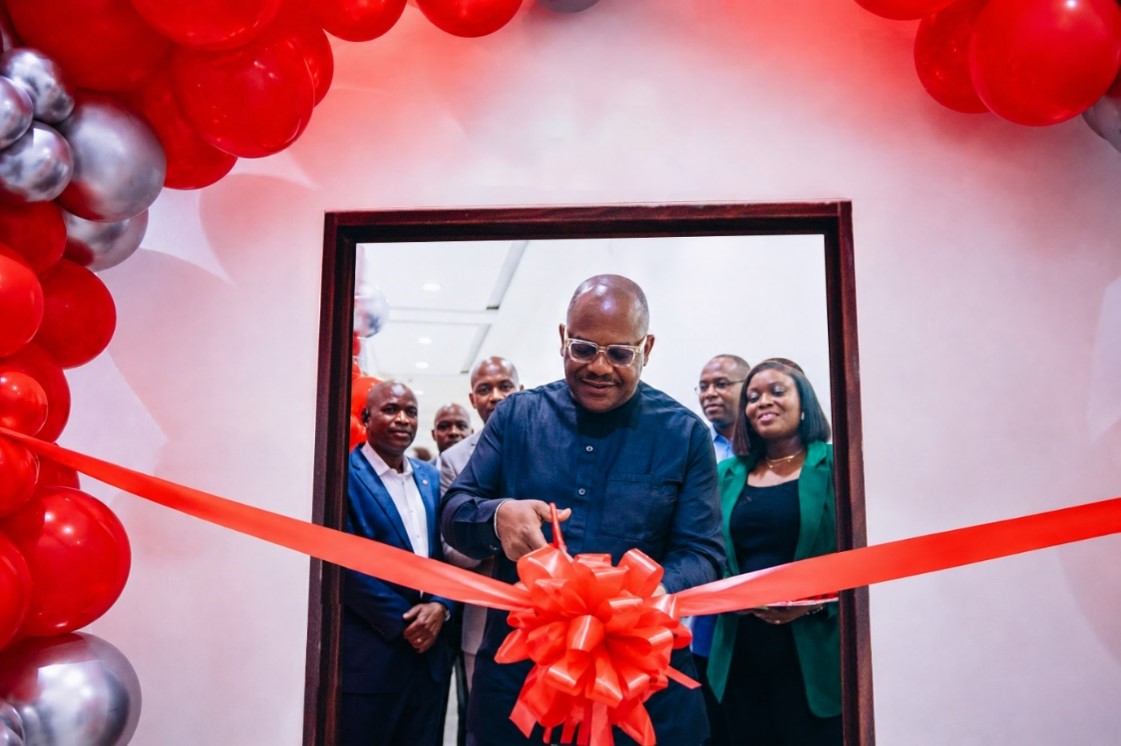
Nigeria’s upstream oil and gas sector has taken another step towards digital transformation following the commissioning of an Integrated Operations Monitoring Centre (IOMC) by the Heirs Energies OML 17 Joint Venture in collaboration with technology company Redtech. The new facility is designed to centralise operational intelligence, enhance asset performance and strengthen security across one of Nigeria’s largest onshore oil and gas assets, reflecting a broader shift towards data-driven energy operations across Africa.
The Integrated Operations Monitoring Centre, officially commissioned this week, serves as a digital command centre for OML 17, consolidating production monitoring, operational performance, hydrocarbon evacuation, security surveillance and critical asset management into a single platform. By integrating multiple operational systems in real time, the facility enables engineers and operators to make faster, evidence-based decisions while improving collaboration across field operations. The project was jointly developed by Heirs Energies, the operator of OML 17, and Redtech, the technology company within the Heirs Holdings Group. The collaboration highlights the growing convergence of Africa’s energy and technology sectors as operators increasingly invest in digital infrastructure to improve efficiency, reduce operational risks and enhance production reliability.
Speaking during the commissioning ceremony, Heirs Energies Chief Executive Officer Osa Igiehon said the future competitiveness of upstream oil and gas operations would increasingly depend on the intelligent use of technology and operational data.
“The future of upstream operations will be driven by data, technology and intelligent decision-making. The Integrated Operations Monitoring Centre provides us with a real-time operational view of our assets, enabling quicker decisions, improved collaboration and enhanced operational efficiency,” Igiehon said.
The Centre is expected to strengthen operational oversight by providing a unified view of field activities while enabling proactive asset management and production optimisation. According to the company, integrating operational data into a single digital environment will improve equipment reliability, minimise downtime and support more efficient maintenance planning, ultimately contributing to higher production performance and lower operational costs. A key component of the new facility is its enhanced security capability. Oil and gas infrastructure across parts of Nigeria has historically faced challenges including pipeline vandalism, crude oil theft and unauthorised access to production facilities. The IOMC incorporates advanced surveillance technologies, intruder detection systems and real-time monitoring tools designed to improve situational awareness and enable faster incident response across remote installations.

The digital platform also establishes the technological foundation for more advanced operational capabilities. According to Heirs Energies and Redtech, future upgrades are expected to incorporate predictive analytics, artificial intelligence-enabled operational support, remote asset management and advanced production optimisation technologies. These capabilities could allow operators to anticipate equipment failures before they occur, optimise production processes and improve safety by reducing the need for personnel to be physically present in high-risk environments.Emmanuel Ojo, Managing Director and Chief Executive Officer of Redtech, said the project demonstrates how locally developed technology solutions can address complex industrial challenges while improving operational efficiency.
“At Redtech, we believe technology should simplify operations, improve decision-making and create measurable business value. The Integrated Operations Monitoring Centre demonstrates what is possible when digital innovation is applied to industrial operations,” Ojo said.
The commissioning also illustrates the growing role of integrated business ecosystems in supporting industrial transformation. As part of the Heirs Holdings Group, Redtech’s collaboration with Heirs Energies reflects an increasing trend among African companies to leverage internal technological capabilities to accelerate digital transformation across multiple sectors. For Nigeria’s energy industry, the project arrives at a time when improving operational efficiency has become increasingly important. Africa’s largest oil producer continues to pursue reforms aimed at increasing production, attracting new investment and strengthening energy security following the implementation of the Petroleum Industry Act (PIA). Digital technologies are emerging as a critical enabler of these objectives by helping operators maximise output from existing assets while reducing operational risks and improving environmental performance.
Since assuming operatorship of OML 17 in 2021, Heirs Energies has pursued what it describes as a Brownfield Excellence strategy, focusing on optimising mature producing assets through operational improvements, infrastructure rehabilitation and technology deployment rather than relying solely on new field developments.According to the company, these efforts have increased oil production at OML 17 to more than 50,000 barrels per day while expanding domestic gas supply to over 135 million standard cubic feet per day (mmscf/d). Increased gas production is particularly significant for Nigeria’s economic development agenda, as natural gas plays a central role in electricity generation, industrial manufacturing and the country’s broader energy transition strategy.
Across Africa, digitalisation is becoming an increasingly important component of energy sector modernisation. Oil and gas operators are investing in industrial automation, cloud computing, artificial intelligence, digital twins and advanced monitoring systems to improve operational resilience while responding to increasing investor expectations regarding efficiency, environmental performance and corporate governance. According to the International Energy Agency (IEA), digital technologies have the potential to reduce operating costs across upstream oil and gas assets while improving production efficiency and lowering methane emissions through enhanced monitoring and early leak detection. These technologies also support stronger environmental, social and governance (ESG) performance by improving transparency, strengthening asset integrity and enabling more effective risk management.
For African producers, digital transformation carries broader economic implications beyond operational efficiency. More reliable energy infrastructure supports industrial productivity, strengthens export competitiveness and enhances government revenues that remain closely linked to hydrocarbon production in many resource-dependent economies. Technology investments can also contribute to local skills development, innovation ecosystems and the emergence of new digital industries supporting the continent’s energy sector.
https://www.aecweek-registration.com/2026/
The launch of the Integrated Operations Monitoring Centre therefore represents more than a technological upgrade for OML 17. It reflects a broader evolution in how African energy companies are positioning themselves within an increasingly digital global industry. As operators seek to improve productivity while meeting higher standards for safety, environmental stewardship and operational resilience, investments in intelligent infrastructure are likely to become a defining feature of the continent’s energy landscape.
For Nigeria, where the oil and gas sector remains a cornerstone of economic activity and foreign exchange earnings, initiatives that combine digital innovation with operational excellence could play an important role in strengthening energy security and sustaining production from mature assets. The OML 17 Joint Venture’s latest investment demonstrates that technology is becoming not only a competitive advantage but also a strategic necessity for the future of Africa’s energy industry.