
Many developing economies suffer from a lack of reliable rainfall measurements due to a lack of funds and a shortage of equipment – such as gauges and radars. Even if countries are equipped with these monitoring instruments, they all have limitations.
Rain gauges, meteorological instruments that collect falling water drops, only provide a very local observation. However, the intensity of rainfall can be completely different from one location to another, sometimes even if it’s less than a few hundreds of metres away.
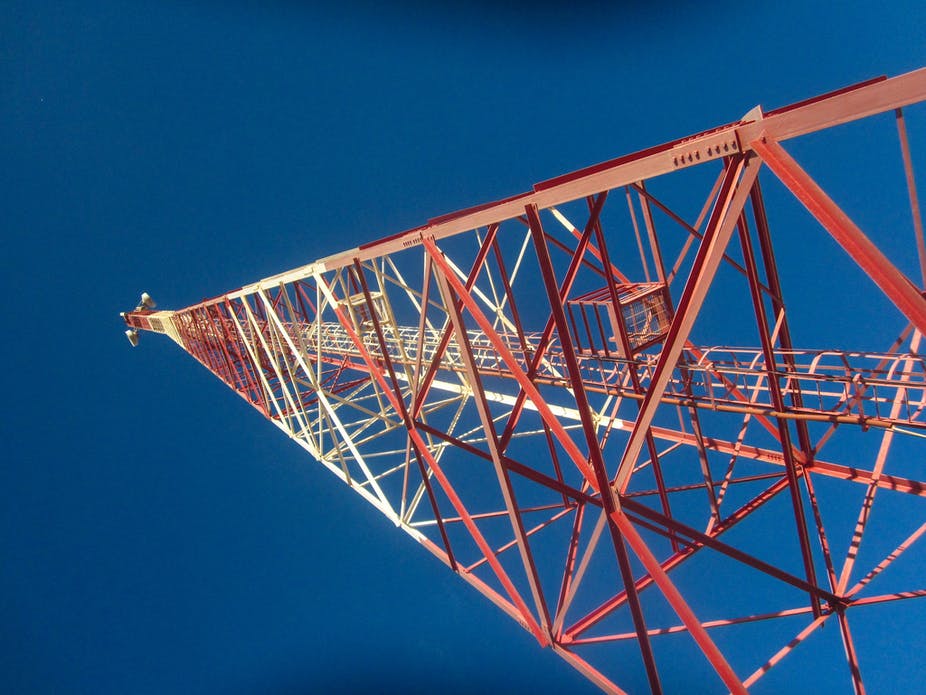
Radars use radio waves to get precipitation estimates but they may not always be efficient. For example, their beams might get blocked in mountainous regions.
Earth-observing satellites can also provide estimates of rain. These are made from space, using remote sensors. However, the spatial images are coarse, making it hard to analyse rainfall distribution across small areas on the ground.
These constraints pose problems when it comes to monitoring crop yields because many smallholder farmers in developing economies rely on rain-fed agriculture.
Accurate precipitation measurements are essential to farmers. For example, for prevention of over irrigation – this would lead to water saving and more efficient use of fertilisers. Accurate measurements are also desirable for rainfall-based insurance, an important resource to mitigate risk for farmers in developing countries. Read more…
Engage with us on LinkedIn: Africa Sustainability Matters