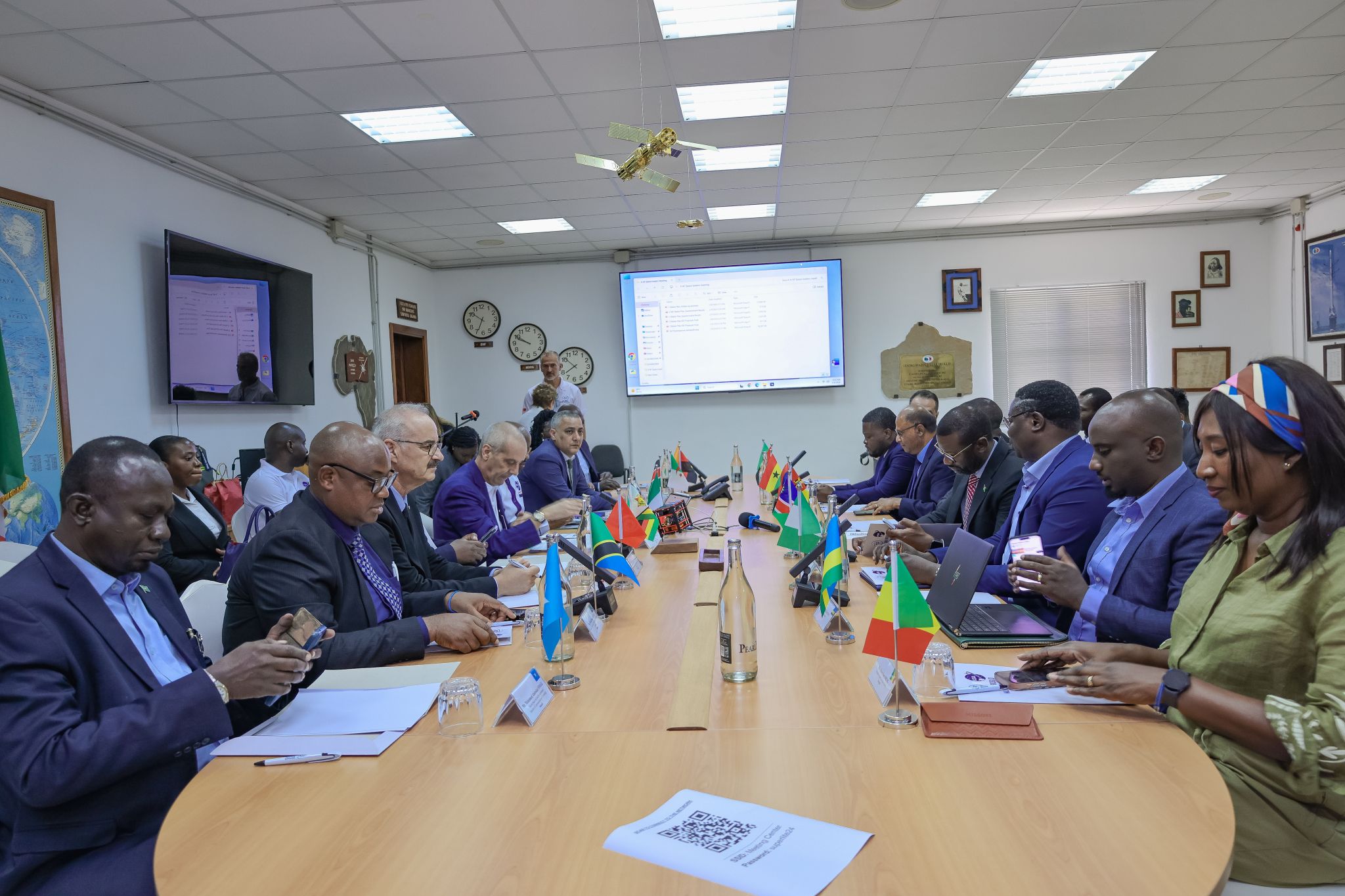

Italy and 17 African countries convened at the Kenya Space Agency’s Luigi Broglio Space Centre in Malindi on February 10 for the Third Italy–Africa Space Leaders Meeting, a two-day forum aimed at deepening institutional and technical cooperation in space science, technology and policy at a time when space-based infrastructure is becoming more closely tied to Africa’s development, climate resilience and digital ambitions.
The meeting, organised by the Kenya Space Agency in collaboration with the Agenzia Spaziale Italiana, brought together more than 30 senior officials from Algeria, Angola, Côte d’Ivoire, Egypt, Ethiopia, Ghana, Kenya, Mauritius, Mozambique, Namibia, Nigeria, Rwanda, Senegal, Somalia, Tanzania, Tunisia and Zimbabwe. Discussions focused on strengthening African space governance frameworks, sharing technical expertise and aligning national programmes with continental priorities, including agriculture, environmental monitoring and communications infrastructure.
Central to the talks was Italy’s Mattei Plan, an initiative designed to expand Rome’s strategic engagement with African partners across sectors, and Italy’s forthcoming presidency of the United Nations Committee on the Peaceful Uses of Outer Space for the 2026–2027 term. Italian officials framed both as platforms to anchor space cooperation in multilateral standards and longer-term institutional partnerships rather than ad hoc projects.

For African governments, the discussions reflect a growing recognition that space-based assets are no longer symbolic investments but components of economic and fiscal planning. Earth observation data underpin crop forecasting, drought response and disaster risk management, all of which carry budgetary implications for countries facing climate volatility. Satellite-enabled communications support financial inclusion, digital services and remote education, sectors that are increasingly integrated into national development strategies.
The Luigi Broglio Space Centre, jointly managed under a bilateral agreement between Kenya and Italy, has become a focal point of this cooperation. Italian officials reiterated plans to resume launches of Earth observation satellites from the facility in the coming years, a move that would restore a capability dormant for decades.
According to Kenyan authorities, the revival of launch operations aligns with Nairobi’s objective of building domestic technical capacity and positioning itself as a regional space hub.
Read also: Kenya, Italy launch public service reform partnership under Italy’s Mattei Plan
The centre also hosted a Council of Ministers meeting in 2024 to advance implementation of the Kenya–Italy bilateral framework governing its operations. That agreement has implications beyond science diplomacy. Launch services, satellite testing and associated research can generate skilled employment, attract private investment and reduce reliance on external data providers. However, scaling such ambitions requires sustained financing, regulatory clarity and regional coordination, areas where many African space agencies remain constrained.
The Malindi meeting formed part of a broader engagement process that included high-level visits by Kenyan and Italian officials earlier this year, underscoring political backing for the partnership. The practical test will lie in translating dialogue into joint missions, data-sharing arrangements and training programmes that strengthen African institutions rather than perpetuate technical dependency.
Engage with us on LinkedIn: Africa Sustainability Matters