


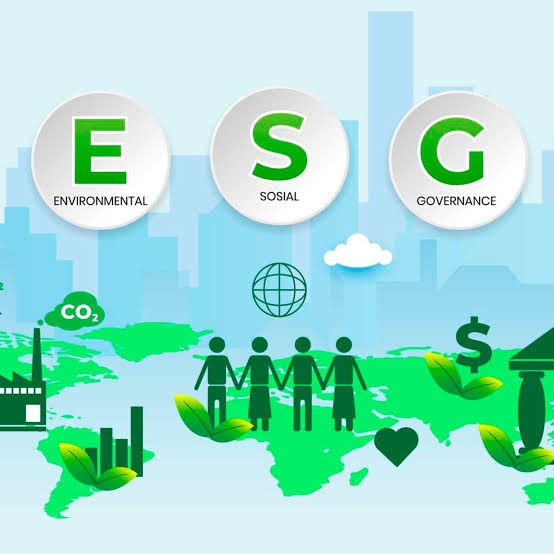
Kenya’s insurance industry is increasingly integrating environmental, social and governance (ESG) considerations into underwriting, investment, operations and corporate governance as insurers confront climate-related risks, changing regulatory expectations and the need to extend protection to a largely uninsured population. The shift is significant in a market where insurance penetration remains below 3%, according to Sanlam Allianz Holdings (Kenya) PLC, highlighting both the sector’s exposure to emerging risks and the potential for sustainability-linked products to strengthen economic resilience.
The issue has moved beyond corporate reporting. For insurers, sustainability considerations increasingly affect how risks are assessed, how capital is allocated and how products are designed. Climate-related floods, droughts, extreme weather and other environmental disruptions can generate larger and more frequent claims while also affecting the businesses and households that insurers are expected to protect. At the same time, social and governance factors can influence customer trust, operational continuity and the long-term viability of insurance portfolios.
Sanlam Allianz Holdings (Kenya) has progressively aligned its sustainability reporting with international standards, moving from the Global Reporting Initiative (GRI) to the International Sustainability Standards Board’s IFRS S1 and S2 standards in its 2025 annual sustainability report. The company said the transition reflects growing regulatory expectations around how organisations identify, manage and disclose sustainability-related risks and opportunities.
For Kenya’s financial system, the development matters because insurers occupy a position between households, businesses, investors and the wider economy. Their role is not limited to paying claims after losses occur. Insurance companies also invest substantial pools of capital and influence which economic activities are considered insurable and under what conditions. Integrating sustainability into those decisions can therefore affect the allocation of capital towards infrastructure, businesses and projects exposed to environmental and social risks.
Dr. Nyamemba Patrick Tumbo, Group Chief Executive Officer of Sanlam Allianz Holdings (Kenya) PLC, said sustainability is fundamental to the company’s purpose and long-term value creation. Jacqueline Karasha, Chief Executive of Sanlam Allianz Life Insurance (Kenya) Limited, said ESG integration begins at governance level and extends into product development, process transformation, innovation and continuous improvement. Margaret Kariuki, regional head of sustainability for East Africa at SanlamAllianz, similarly described the insurer’s role as extending beyond risk protection to supporting economic growth and community resilience.
The broader financial sector is already facing pressure to improve its understanding of climate and environmental risks. The International Energy Agency has noted that financial institutions need better tools and corporate disclosures to assess risks associated with the energy transition, while growing attention to sustainability reporting is changing how investors and financial institutions evaluate exposure to environmental risks.
For African insurers, this is particularly relevant because climate vulnerability is closely connected to economic vulnerability. Agriculture, transport, housing, energy infrastructure and small businesses can all suffer significant losses from extreme weather events, yet many households and enterprises remain inadequately insured. The result is a large protection gap that can leave governments, communities and businesses carrying the financial consequences of shocks that could otherwise be partially transferred through insurance.
Closing that gap will require more than increasing the number of policies sold. Insurance products need to reflect the economic realities of African households and businesses, including irregular incomes, agricultural exposure and limited access to formal financial services. Sustainability integration could become relevant here by encouraging insurers to develop products that address specific climate and livelihood risks rather than relying primarily on conventional insurance models.
The governance dimension is equally important. Sustainability risks can materialise over periods longer than conventional business planning cycles, making board oversight and risk-management systems important to insurers’ long-term solvency. International research has also linked governance structures such as sustainability committees, board diversity and sustainability-linked incentives with corporate sustainability performance, although the strength of these relationships varies by market and institutional context.
In Kenya, the regulatory environment is developing alongside these corporate initiatives. The increasing use of internationally recognised sustainability disclosure frameworks is intended to make sustainability-related risks more comparable and decision-useful for investors and other stakeholders. For insurers, this can mean greater scrutiny of how environmental and social risks are identified, measured and incorporated into strategic decisions.
There is also a practical operational dimension. Insurance companies themselves have environmental footprints through offices, technology infrastructure, procurement and travel, but their larger influence may come through the decisions they make on behalf of policyholders and investors. Responsible underwriting and investment policies can influence corporate behaviour across sectors, while partnerships with communities and businesses can support risk prevention rather than simply compensate for losses after they occur.
That distinction is increasingly relevant as African economies invest in infrastructure and adapt to climate pressures. Effective risk-transfer mechanisms can help households and companies recover more quickly after shocks, while better risk information can improve investment decisions and reduce the financial consequences of poorly understood exposures.
The challenge is that sustainability integration also carries costs. Developing data systems, training staff, assessing environmental and social risks and redesigning products require investment at a time when many African insurers operate in markets characterised by low penetration and intense price competition. The commercial case therefore depends on whether insurers can translate sustainability practices into better risk management, stronger customer relationships and more resilient portfolios.
Kenya’s experience also illustrates a wider issue for African financial markets. As sustainability reporting becomes more closely connected to mainstream financial disclosure, ESG is moving from the margins of corporate responsibility towards the core of financial risk management. For insurers, that transition is particularly consequential because their business depends on pricing risks that may evolve over decades.
 The strategic question for Kenya’s insurance industry is therefore not simply how quickly companies can adopt sustainability standards, but whether those standards can improve the quality and accessibility of risk protection. With insurance penetration still below 3%, the opportunity lies in connecting better ESG governance with products and services capable of reaching households, businesses and communities that remain outside the formal insurance system.
Across Africa, that connection between sustainability, insurance and economic resilience is likely to become increasingly important. As climate and environmental pressures reshape the risks faced by economies, insurers will have to determine not only how much those risks cost, but how they can help businesses and communities manage them before losses occur. The effectiveness of the sector’s sustainability transition will ultimately be measured less by the volume of ESG disclosures it produces than by whether those practices improve risk management, financial resilience and access to protection.


