


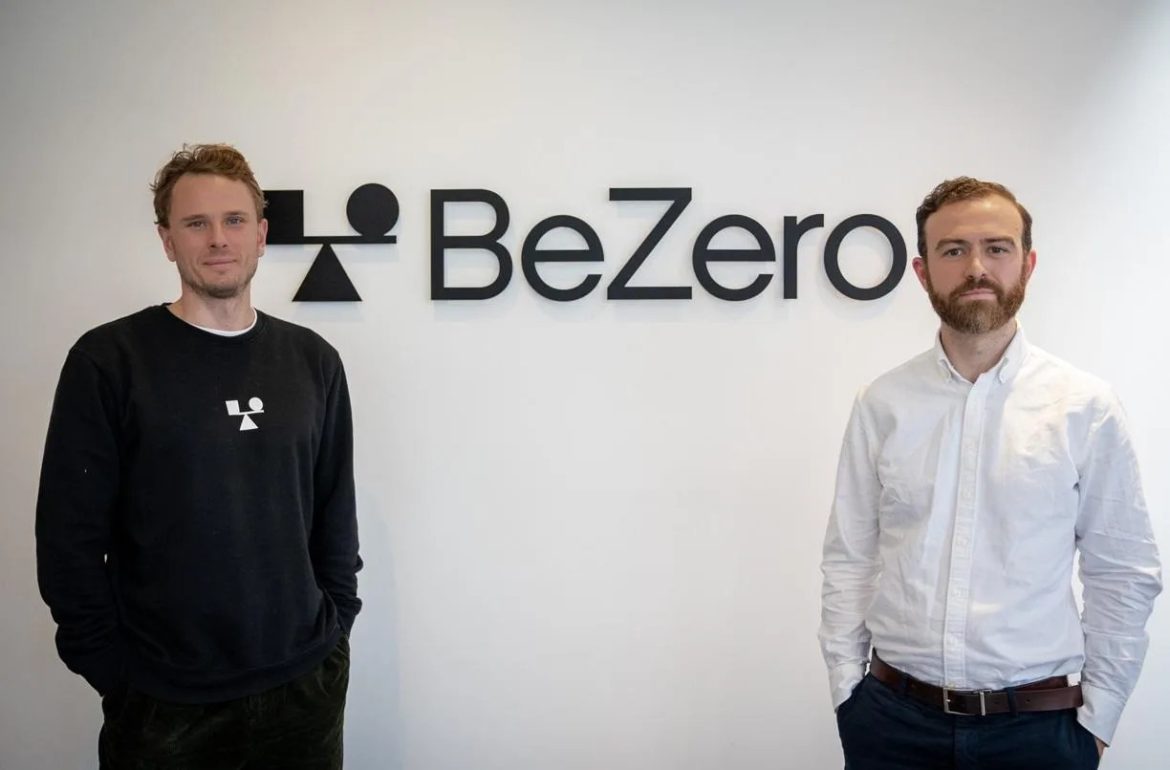
BeZero Carbon has published 14 independent ex ante assessments of carbon removal projects reviewed through Microsoft’s procurement process, providing an unusually detailed view of how a major corporate buyer is evaluating carbon-credit integrity, execution risk and wider environmental and community impacts before credits are issued. The assessments cover improved forest management, soil carbon, biochar and agroforestry projects in the United States, Argentina, India and Peru, highlighting a shift in carbon markets towards evaluating whether projects can deliver credible climate outcomes before buyers commit to large volumes of future removals.
The publication comes as corporate demand for carbon dioxide removal expands while scrutiny of the quality of credits intensifies. For buyers, the central question is increasingly not simply how many tonnes a project claims it will remove, but whether those tonnes are additional, measurable, durable and likely to be delivered.
Microsoft has become one of the largest corporate purchasers of carbon removal. The technology company signed agreements covering 45 million metric tonnes of carbon dioxide removal with 21 companies during its 2025 fiscal year, twice the volume contracted the previous year and nine times the level recorded in fiscal 2023. The scale of that procurement means project selection has consequences beyond Microsoft’s own climate strategy. Large advance purchases can provide developers with the capital certainty needed to build new removal capacity, while the standards applied by major buyers can influence project design and expectations across the wider voluntary carbon market.
Microsoft has committed to becoming carbon negative by 2030 and removing from the atmosphere an amount of carbon equivalent to its historical emissions by 2050. Its procurement programme emphasises net-negative emissions, independent scientific review, durability and the avoidance of environmental and social harm.
The BeZero assessments introduce another layer of independent scrutiny. Unlike conventional ratings conducted after credits have entered the market, ex ante assessments examine projects before issuance. BeZero describes its approach as evaluating carbon risks alongside execution and delivery risks, including whether a project has the technical, financial, regulatory and operational capacity to reach implementation.

That distinction matters because carbon removal projects often involve long development periods. A buyer can contract millions of tonnes years before the underlying activity reaches full operation. If financing, technology, land management, measurement systems or regulatory approvals fail, the contracted volume may never materialise.
The 14 projects also demonstrate why a single measure of carbon quality is insufficient. Forest projects can face questions over permanence, baselines and the risk that stored carbon is later released. Soil-carbon projects depend on measurement practices and changes in agricultural management. Biochar projects introduce questions around feedstock, production processes, permanence and accounting. Agroforestry combines carbon storage with land-use and community considerations.
BeZero’s methodology combines project information, geospatial analysis, scientific research and analyst assessment before assigning ratings. Its wider platform allows investors and buyers to compare risks across projects and markets. The decision to make assessments from Microsoft’s procurement process available publicly is significant because carbon-removal diligence has traditionally taken place largely between buyers, project developers, advisers and technical specialists. Greater visibility into the questions being asked before credits are issued could influence how developers structure projects and how investors price delivery risk.
The implications extend to Africa, where the carbon-removal market is attracting growing interest but where developers often face constraints around early-stage finance, measurement infrastructure, land governance and access to international buyers. Forest conservation, agroforestry, improved agricultural practices and biochar could provide potential routes for African projects to participate in carbon markets, but access to capital will increasingly depend on evidence of credible climate outcomes. For African developers, the growing emphasis on ex ante diligence could raise the cost and technical requirements of entering international carbon markets. At the same time, stronger due diligence could help distinguish well-designed projects from activities that carry significant integrity or delivery risks, potentially improving confidence among international buyers.
This is particularly relevant as African countries implement Article 6 of the Paris Agreement and develop domestic carbon-market regulations. Governments are increasingly concerned with ensuring that carbon projects generate genuine mitigation outcomes, protect communities and provide an appropriate share of economic benefits to host countries. The emergence of more rigorous project assessments could also affect financing. Investors providing development capital before credits are issued need to understand whether a project can reach commercial operation and generate expected revenues. Independent analysis of execution risk can therefore become part of investment decisions rather than merely a tool used by corporate sustainability teams.
Microsoft’s growing procurement programme illustrates the scale of capital that could enter the sector if confidence improves. Yet the company’s own reporting acknowledges that the global carbon-removal industry remains far below the volumes required to address residual emissions. Microsoft notes that the world may need between 7 billion and 9 billion tonnes of carbon dioxide removal annually by 2050.
That gap creates both an opportunity and a governance challenge. Rapid growth in demand could accelerate investment in technologies and nature-based solutions, but poorly designed projects could also generate financial losses, disputed climate claims or adverse effects on communities and ecosystems.

For Africa, where natural ecosystems and agricultural landscapes could become important components of future carbon-removal supply, the quality of governance will be particularly important. Land rights, benefit-sharing arrangements, community consent, monitoring capacity and national accounting systems will determine whether carbon finance creates durable economic value rather than simply increasing pressure on land.
The publication of the 14 assessments therefore represents more than a snapshot of Microsoft’s carbon portfolio. It reflects a broader movement in carbon markets towards evaluating risk before credits are issued and before large volumes of capital become committed.
As corporate demand for carbon removal expands, independent scrutiny is likely to become increasingly important to buyers, investors, developers and governments. For African markets, the emerging standard presents a dual challenge: projects will need stronger evidence and more robust execution systems, but those capable of meeting higher integrity requirements could become better positioned to attract international finance as the global carbon-removal market develops.


