


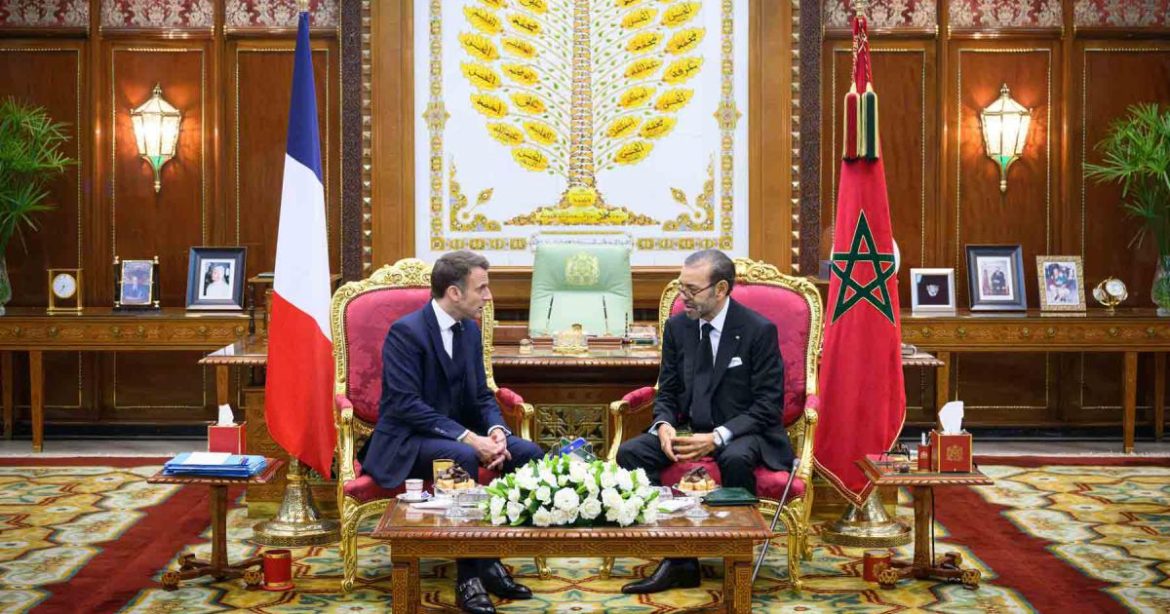
Morocco and France moved closer to establishing what officials described as a historic bilateral treaty following high-level talks in Rabat between French Foreign Minister Jean-Noël Barrot and Moroccan Foreign Minister Nasser Bourita, signalling a renewed phase in political, economic and strategic cooperation between the two countries at a time of shifting geopolitical alignments across Africa and the Mediterranean.
During the visit, Barrot reaffirmed France’s support for Morocco’s territorial integrity and reiterated Paris’ backing of Rabat’s autonomy proposal for Western Sahara as the basis for what he described as a just, lasting and negotiated solution.” The position reflects the diplomatic direction outlined in a 2024 letter from French President Emmanuel Macron to King Mohammed VI and marks one of the clearest endorsements by France on one of North Africa’s most sensitive geopolitical disputes.
The discussions also centered on expanding bilateral ties beyond traditional diplomatic engagement. Barrot announced that Morocco and France had launched preparations for a formal bilateral treaty that would redefine the strategic relationship between Rabat and Paris. According to French officials, the agreement would become France’s first such treaty with a non-European country, underscoring Morocco’s growing importance within French foreign policy and broader European engagement with Africa.
Moroccan Foreign Minister Nasser Bourita confirmed that King Mohammed VI is expected to make a future state visit to France, during which the treaty could be formally signed. Bourita described the planned accord as an“unprecedented political, legal and historic agreement,” reflecting efforts by both governments to institutionalize cooperation across diplomacy, trade, investment, infrastructure, energy and security.
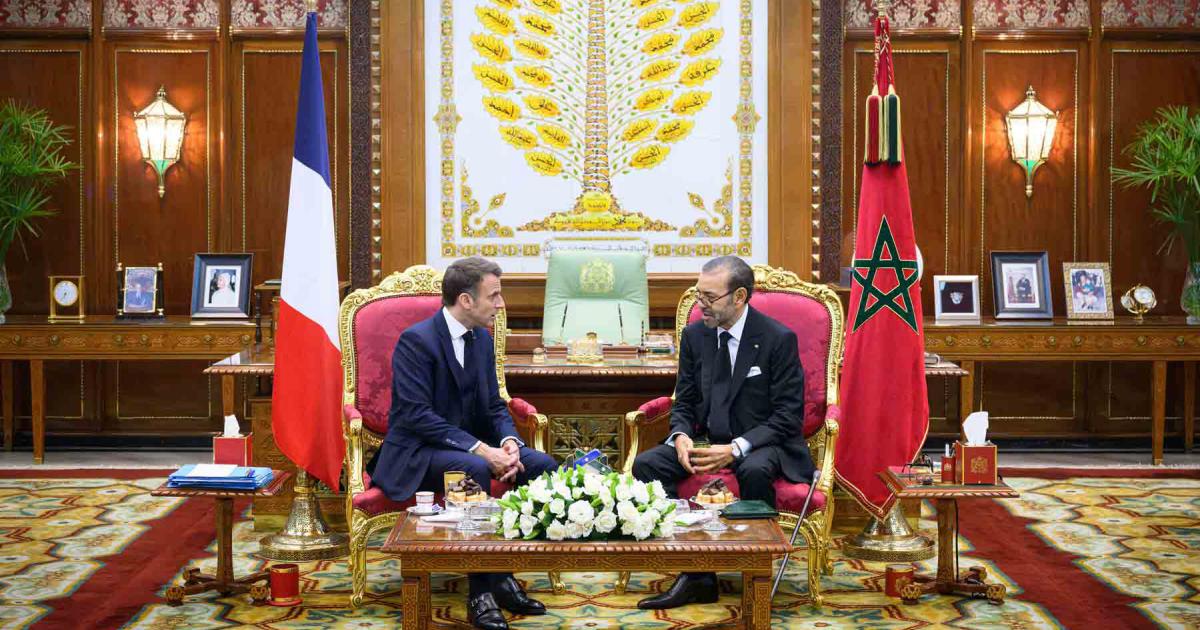 The renewed rapprochement comes after a period of diplomatic strain between the two countries over migration policy, visa restrictions and differing positions on regional security issues. Analysts say the latest engagement signals a recalibration by France as it seeks to strengthen partnerships in North Africa amid declining influence in parts of the Sahel, where military coups and anti-French sentiment have reshaped regional alliances in recent years.
For Morocco, deeper ties with France carry significant economic and strategic implications. France remains one of Morocco’s largest foreign investors and trading partners, with French companies heavily involved in sectors including banking, transport, renewable energy, automotive manufacturing, telecommunications and urban infrastructure. According to Moroccan trade data, bilateral economic ties support thousands of jobs and remain central to Morocco’s export-oriented industrial strategy.
The evolving partnership also reflects Morocco’s increasing positioning as a gateway between Europe and Africa. Rabat has expanded its role in continental trade, logistics and energy diplomacy through investments in ports, rail systems, green hydrogen development and renewable energy infrastructure. The country’s strategic location along Atlantic and Mediterranean trade corridors have made it a growing hub for European companies seeking manufacturing and supply chain diversification closer to African and European markets.
Energy transition and climate cooperation are expected to form an important component of the proposed treaty. Morocco has invested heavily in renewable energy capacity over the past decade, including large-scale solar and wind projects designed to reduce energy import dependence and position the country as a future exporter of green industrial products and low-carbon energy. European demand for renewable energy partnerships has intensified as governments seek alternatives to volatile global fossil fuel markets and attempt to accelerate decarbonization targets.
The strengthening relationship may also influence broader European engagement with Africa at a time when competition for political influence, critical minerals, infrastructure partnerships and clean energy investment is intensifying. According to regional analysts, Morocco’s stable investment environment, expanding industrial base and diplomatic outreach across West and Central Africa have elevated its strategic importance within both European and African policy circles.
Read also: https://www.reuters.com/world/africa/france-morocco-prepare-treaty-foster-ties-2026-05-20/
At the same time, the Western Sahara issue remains a significant factor in regional diplomacy. France’s stronger alignment with Morocco’s position could further complicate relations with Algeria, which backs the Polisario Front and remains a major regional actor in energy and security affairs. Tensions between Rabat and Algiers have already affected regional integration efforts within the Arab Maghreb Union, limiting economic cooperation across North Africa despite the region’s significant trade and infrastructure potential.
For Africa more broadly, the proposed treaty illustrates how bilateral partnerships are increasingly being shaped by intersecting priorities around trade, migration, energy security, geopolitical competition and climate transition. The agreement also highlights the growing leverage of African states capable of positioning themselves as strategic economic and diplomatic partners in an increasingly fragmented global order.
While details of the treaty remain under negotiation, the initiative signals an effort by both Morocco and France to anchor long-term cooperation through formal institutional mechanisms rather than ad hoc political arrangements. The outcome is likely to be closely watched across the continent, particularly by governments seeking to balance international partnerships with domestic industrial ambitions, regional diplomacy and economic resilience objectives.


