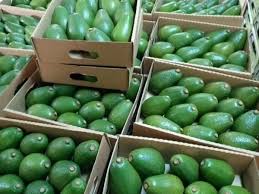

Morocco has overtaken Kenya as Africa’s largest avocado exporter in 2025, according to the latest market review by the Food and Agriculture Organization, after nearly doubling shipments year-on-year and consolidating its position in European Union markets. The shift reflects changes in production capacity, weather conditions and global shipping dynamics that have reshaped African horticultural trade over the past 12 months.
The FAO report shows Morocco’s avocado exports rising from 73,848 tonnes in 2024 to approximately 141,046 tonnes in 2025. Data from Morocco’s Ministry of Agriculture indicates that harvested area expanded by around 40% between 2022 and 2024, with nearly 90% of shipments during the first nine months of 2025 destined for EU markets. The increase allowed Morocco to move ahead of Kenya, whose exports fell 19% from 129,706 tonnes in 2024 to 105,164 tonnes in 2025.
Read also: Morocco to halt frozen Sardine exports from February 2026 amid domestic shortages
According to the FAO, export volumes from Kenya and South Africa were constrained by logistical bottlenecks and elevated freight costs linked to disruptions in the Red Sea. Attacks on commercial vessels in 2025 forced shipping companies to reroute around the Cape of Good Hope rather than transit the Suez Canal, extending delivery times to Europe and increasing transport costs.
The report notes that transit times to European markets nearly doubled during periods of disruption, compressing margins for perishable exports such as avocados.
For Kenya, where horticulture is one of the country’s leading foreign exchange earners, the decline has broader macroeconomic implications. The sector accounts for a significant share of agricultural exports and supports hundreds of thousands of smallholder farmers. Higher shipping costs and longer transit times can result in spoilage, price volatility and contract renegotiations with European buyers, affecting rural incomes and export receipts.
According to trade analysts, logistics risk has become a central variable in agricultural competitiveness, particularly for land-linked economies reliant on maritime corridors.
Morocco’s gains, meanwhile, reflect both structural and seasonal factors. The United States Department of Agriculture attributed part of the export surge to favourable growing conditions during the 2025 season. Expanded cultivated area and investment in irrigation infrastructure have also supported production growth. However, Morocco has faced prolonged drought conditions in recent years, raising questions about the long-term sustainability of water-intensive export crops.
In January, Water Minister Nizar Baraka declared an end to the country’s seven-year drought following heavy winter rainfall. Yet climate specialists caution that episodic storms do not resolve structural water scarcity.
North Africa has experienced increasing climate variability, with intense rainfall events causing flooding while aquifers and reservoirs remain under pressure. Avocado production, which requires consistent irrigation, sits within a broader debate about water allocation between export agriculture, domestic food security and urban demand.

The export shift highlights contrasting exposure to global shocks across African agricultural systems. While Kenya and South Africa were more directly affected by maritime disruptions through the Red Sea corridor, Morocco’s proximity to European markets and alternative logistics routes provided relative resilience. According to trade data, shorter shipping distances reduce spoilage risk and freight sensitivity, giving North African exporters a structural advantage during periods of global instability.
This episode underscores how geopolitical tensions and climate variability intersect with agricultural trade. Horticulture has been promoted across the continent as a pathway to value addition, employment and export diversification beyond primary commodities. However, dependence on external markets and maritime logistics introduces vulnerabilities that are outside the control of producers.
The European Union remains the dominant destination for African avocados, with demand driven by dietary trends and year-round consumption patterns. Market access, phytosanitary compliance and transport reliability therefore shape competitive outcomes. According to agricultural economists, investment in cold chain infrastructure and regional trade corridors may become increasingly important as producers seek to mitigate external shocks.
Read also: Kenya ships first Apple Mango consignment to UK, opening premium export market
Morocco’s rise to the top of Africa’s avocado export rankings is unlikely to be permanent without sustained productivity gains and water management reforms. Kenya, for its part, retains strong production capacity and established relationships with European buyers, suggesting that volumes could recover if shipping conditions stabilise. Much will depend on the evolution of Red Sea security risks and freight rates.
Beyond the rankings, the FAO findings illustrate the volatility embedded in Africa’s export-led agricultural strategies. Climatic extremes, maritime disruptions and input costs can rapidly shift market shares between countries. For policymakers, the lesson may lie in strengthening domestic value chains, diversifying export destinations and investing in climate-resilient agriculture.
As African governments seek to expand agro-exports to generate foreign exchange and rural employment, the balance between competitiveness, infrastructure resilience and environmental sustainability is becoming more acute. Morocco’s 2025 performance reflects a moment of advantage shaped by logistics, weather and investment decisions.
Engage with us on LinkedIn: Africa Sustainability Matters