


Senegal is emerging as a notable example of how targeted investment in energy efficiency and transport infrastructure can support sustainable economic development, with the country’s progress highlighted in the 2026 Africa Sustainable Development Report for initiatives ranging from efficient lighting to port modernisation. The report, produced jointly by the African Union Commission, the United Nations Economic Commission for Africa, the African Development Bank and the United Nations Development Programme, places Senegal’s experience within a wider continental effort to accelerate progress on sustainable energy, resilient infrastructure, sustainable cities and development partnerships.
One of the clearest examples is Senegal’s Programme to Promote Efficient Lighting Lamps, known as PPLEEF, which the African Development Bank approved in 2024 and launched in 2025 with an €8.51 million loan. The programme is designed to replace inefficient incandescent lighting with LED lamps across approximately 700,000 households and 80,000 small businesses in Dakar, Thiès and Diourbel. Rather than increasing electricity supply to meet rising demand, the initiative focuses on reducing consumption through more efficient use of existing power.
That distinction is important for Senegal and other African economies facing the twin challenge of expanding electricity access while keeping energy systems financially and environmentally sustainable. The African Development Bank estimates that the programme could generate annual electricity savings of more than 189 GWh. The savings are expected to reduce pressure on the national grid while lowering electricity bills for participating households and businesses.
The programme also uses an on-bill financing model, allowing beneficiaries to repay the cost of efficient lighting through savings generated on their electricity bills. This structure addresses one of the practical barriers to energy-efficiency investment: the upfront cost of replacing existing equipment. By tying repayment to energy savings, the model seeks to make efficiency investments more accessible to households and small businesses that may otherwise struggle to finance them.
According to the 2026 Africa Sustainable Development Report, PPLEEF represents an example of demand-side energy efficiency that could have wider relevance across the continent. Africa’s energy-efficiency improvements remain below the pace required to meet the Sustainable Development Goal on energy intensity, making investment in technologies that reduce consumption increasingly important alongside the development of new generation capacity.
For governments, the economic significance extends beyond lower electricity consumption. Reducing demand during periods of peak use can help utilities manage constrained generation and transmission systems and potentially delay some capital expenditure on additional capacity. For businesses, lower electricity consumption can translate into reduced operating costs, particularly in economies where energy prices remain an important determinant of competitiveness.
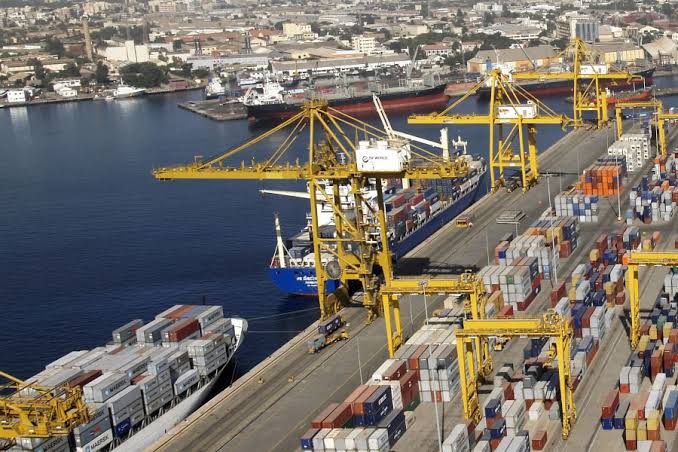
Senegal’s infrastructure performance provides a second dimension to the country’s sustainability story. The Port of Dakar recorded a substantial improvement in its position on the Container Port Performance Index, with its score moving from -82 in 2023 to +23 in 2024. The improvement placed Dakar among the strongest-performing ports in sub-Saharan Africa for that period. The improvement followed investments in port equipment and logistics systems, including additional cranes, expanded storage facilities and digital systems designed to improve coordination between port users. Hinterland connectivity and customs reforms have also contributed to efforts to reduce delays and improve the movement of cargo through the port.
The significance of this development extends beyond the maritime sector. Efficient ports are critical economic infrastructure for African countries seeking to expand trade, industrial production and regional market integration. Delays at ports increase the cost of imported inputs and exported goods, while weak connections between ports and inland production centres can limit the ability of businesses to participate competitively in regional and global value chains.
For Senegal, the Port of Dakar is particularly important because of its role in serving the domestic economy and the wider West African hinterland. Improvements in port efficiency can therefore have implications for manufacturers, importers, exporters, logistics operators and consumers. The infrastructure also has a regional dimension because better maritime and inland connections can support trade with land-linked economies that depend on coastal transport corridors. The report’s assessment of Senegal extends beyond energy and transport. It also highlights indicators related to research and development, manufacturing, urban water access and data systems. Senegal invested around 0.58% of GDP in research and development over the period assessed by the report, while its performance on data infrastructure was among the stronger results highlighted in the continental analysis.
These indicators point to an important feature of sustainable development: infrastructure investment alone does not determine whether economies become more resilient and productive. Energy systems, transport networks, research capacity, public data and basic services need to develop alongside one another if countries are to convert infrastructure spending into sustained economic gains.
The 2026 Africa Sustainable Development Report comes at a difficult point in the continent’s development cycle. African countries have less than five years remaining to meet the 2030 Sustainable Development Goals, while governments are simultaneously dealing with debt pressures, climate shocks, demographic growth, infrastructure deficits and tighter development financing conditions. The report argues for more coordinated and transformative action rather than fragmented interventions.
Senegal’s experience illustrates why that coordination matters. Energy efficiency can reduce pressure on electricity infrastructure, while efficient ports can reduce the cost of moving goods. Better data and research capacity can improve policymaking, while reliable public services can strengthen the productive capacity of households and businesses. The country’s energy-efficiency programme also fits within Senegal’s broader development agenda. The African Development Bank’s project documentation links PPLEEF to Senegal 2050, the country’s national transformation agenda, which includes ambitions around universal electricity access and lower electricity costs.
At the same time, Senegal’s port modernisation reflects the economic dimension of infrastructure resilience. The recent improvement in port performance demonstrates how equipment investment, digitalisation, customs reform and better logistics coordination can combine to improve the efficiency of a strategic national asset. The change is particularly relevant as African countries seek to reduce trade costs and strengthen regional value chains under the African Continental Free Trade Area.
The broader lesson is that sustainable development increasingly depends on improving the efficiency of systems that already exist. For energy, that means reducing waste alongside building new generation capacity. For logistics, it means improving the performance of ports, roads, railways and customs systems rather than measuring infrastructure progress only by the amount of capital invested.
Senegal’s progress does not remove the wider challenges facing the country or the continent. Energy demand will continue to rise as economies grow, while port infrastructure will require continued investment to accommodate changing trade patterns and larger volumes. The benefits of energy-efficiency programmes will also depend on effective implementation, consumer participation and the ability to measure actual savings over time.

The country’s experience nevertheless provides a useful African case study of how relatively targeted interventions can address several economic constraints simultaneously. Efficient lighting can reduce household and business energy costs while freeing capacity within the electricity system. Better port infrastructure can reduce logistics costs and strengthen trade competitiveness. Together, these measures connect environmental objectives with practical questions of affordability, productivity and economic resilience.
For Africa, that connection is increasingly important. The continent’s sustainable development challenge is not simply to add more renewable energy, infrastructure or climate projects, but to ensure that investments improve the underlying efficiency and resilience of economies. Senegal’s experience with demand-side energy efficiency and port modernisation demonstrates how sustainability can be integrated into the systems that households, businesses and governments already depend on.
As the 2030 deadline approaches, the ability of African countries to scale such interventions, mobilise appropriate financing and strengthen institutional coordination will be central to whether commitments under the Sustainable Development Goals and Agenda 2063 translate into measurable improvements in economic and social outcomes.


