
By UN Environment
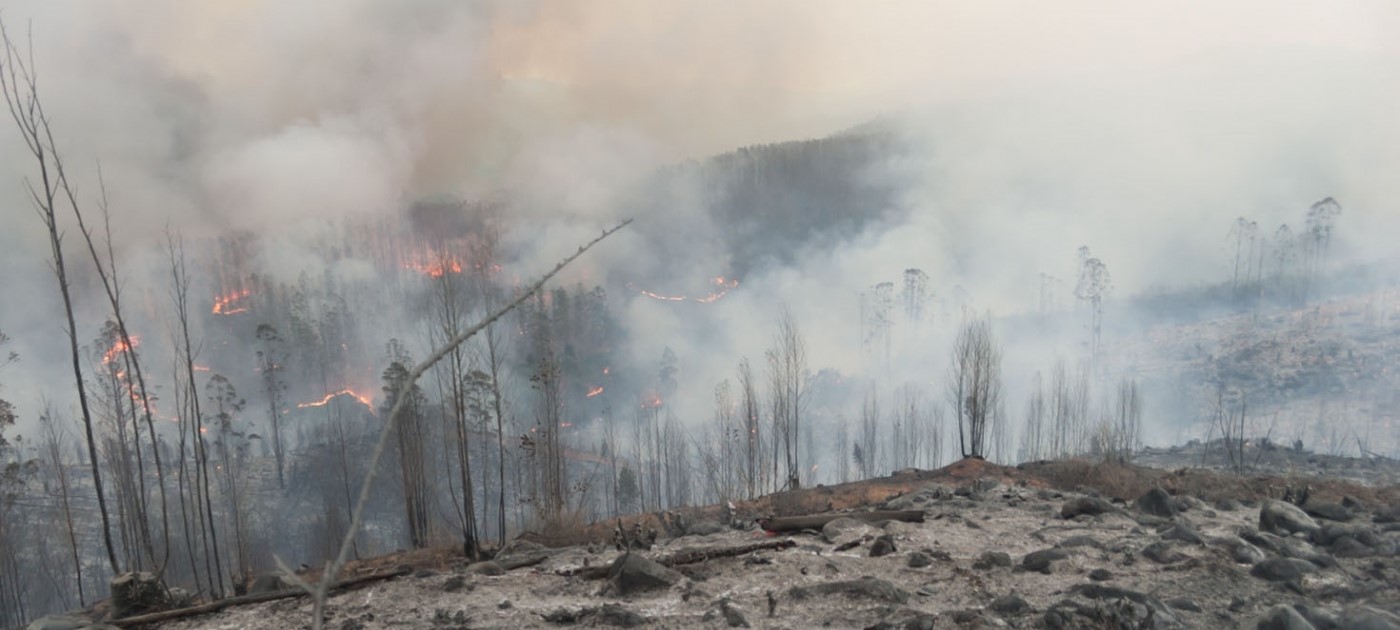
Extensive wildfire disasters, such as recently reported in Australia, Indonesia and the United States, adversely affect communities, economies and ecosystems. More generally, they contribute to air pollution and global warming, and indicate that existing mechanisms to deal with wildfire, centered around disaster risk management, are insufficient.
Carbon dioxide (CO2) and other emissions from peatland and forest wildfires contribute substantially to the global greenhouse effect, thus making floods and droughts more likely to occur. They also produce health-damaging smoke particles and black carbon.
Smoke particles reduce solar radiation absorbed by the atmosphere during fires or burning seasons. This can generate significant regional climate effects.
Black carbon in smoke particles can lead to warming in the middle and lower atmosphere, leading to more unpredictable weather patterns. Deposits of black carbon on snow make the snow less able to reflect sunlight back into space, further warming the planet.
Engage with us on LinkedIn: Africa Sustainability Matters