


By Fulufhelo Makhani – Sustainability Manager at Old Mutual Alternative Investments
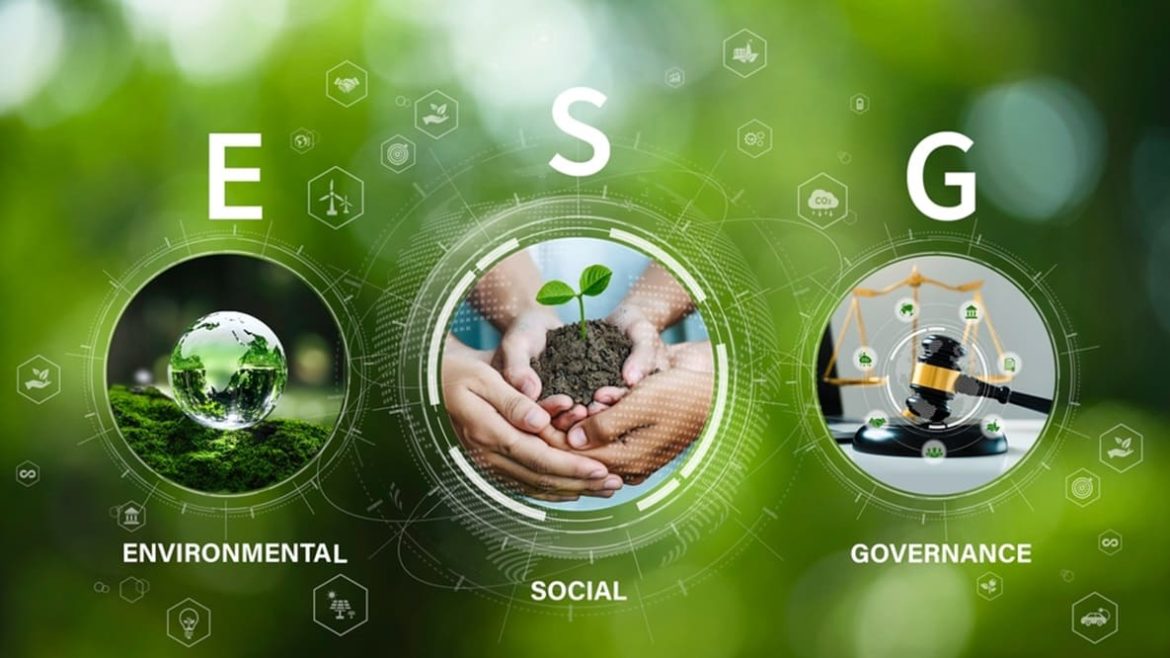
For years, sustainability sat on the sidelines of investment conversations. It was politely acknowledged, occasionally applauded, but rarely allowed to influence real decision making. That era is over. Today, environmental, social and governance considerations are not an optional add-on or a public relations exercise. They are part of the investment process itself and increasingly shape whether a deal happens at all.
From where we sit, ESG has shifted from being a differentiator to becoming a baseline expectation. Investors are no longer asking if you consider ESG but want to know how deeply it is embedded in your process, how you measure it and how it ultimately affects risk and return.
One of the biggest misconceptions about ESG is that it comes in at the end as a checklist once the real investment work is done. In reality, it starts at origination and every potential investment we see is screened against an exclusion list from the outset. Deals that conflict with responsible investment principles stop before they move forward. For those that pass, ESG due diligence and materiality analysis are conducted alongside financial analysis as part of a single integrated workflow. Investment and sustainability teams work together from day one rather than one team arriving later in the deal process. That integration ensures ESG risks are treated like any other investment risk. Something to be identified early, priced properly and managed proactively.
Investors often ask for a single example where ESG directly influences returns. The reality is that its greatest impact is risk mitigation. Through board representation and participation in ESG subcommittees, we work closely with portfolio companies throughout the life of an investment. This helps us with early identification of labour, governance, environmental, or regulatory risks to reduce the likelihood of delays, penalties, and reputational damage, while protecting cash flows and strengthening governance. Recent global events show how quickly these risks become financial.
Sustainability is not about sacrificing returns. It is about protecting them. The market has largely caught up with this reality. Today, most investors recognise that unmanaged ESG risks are financial risks.
Another common question is how social and environmental outcomes can be measured alongside financial performance. This is an area where the conversation has matured significantly. Today, impact is tracked from entry to exit using clear, consistent metrics such as jobs supported, spend on local procurement, renewable energy generated, avoided emissions and contributions to broader development goals.
These outcomes are aligned with global sustainability frameworks and reported back to investors in a structured way. As the United Nations Principles for Responsible Investment (PRI) notes, “Investors are increasingly demanding decision-useful ESG data that is consistent, comparable and reliable.”
This level of reporting matters because it moves ESG beyond broad intentions and towards tangible, measurable impact. Tracking these metrics over the investment period provides a clearer picture of how value is created both financially and socially.
A decade ago, ESG could set a fund apart; today, it is increasingly the price of entry. This shift is being driven by rapidly evolving regulation, expanding disclosure requirements and the growing reality of climate risk. In markets such as South Africa, structural challenges including energy insecurity, inequality and governance weaknesses make ESG considerations unavoidable. Institutional investors have also become more sophisticated, developing their own sustainability frameworks and learning from experience. As a result, the conversation has moved decisively from why ESG matters to how it is embedded in investment decision‑making.
Skepticism nevertheless remains, particularly around greenwashing and overstated claims, reinforcing the need for transparent reporting and credible evidence. Clear metrics, and straightforward disclosure help ensure ESG is more than an aspirational commitment. Operating across multiple jurisdictions adds complexity, but this underscores the value of strong environmental and social management systems, supported by legal, compliance and business‑integrity specialists who assess regulatory alignment and governance risks. While ESG can sometimes extend negotiations, especially where expectations differ, early engagement and clear communication ultimately contribute to a more resilient investment process and more durable long‑term value.
The way forward is clear. ESG will continue to evolve, driven by regulation, investor expectations and real-world risks. In the near future, it will no longer be noteworthy that an investment integrates ESG. The real question will be how effectively it does so.
For private markets, sustainability is not a passing trend. It is part of the investment foundation, shaping how capital is deployed, how risks are managed and how long-term value is created. Ultimately, that is what investing has always been about.


