


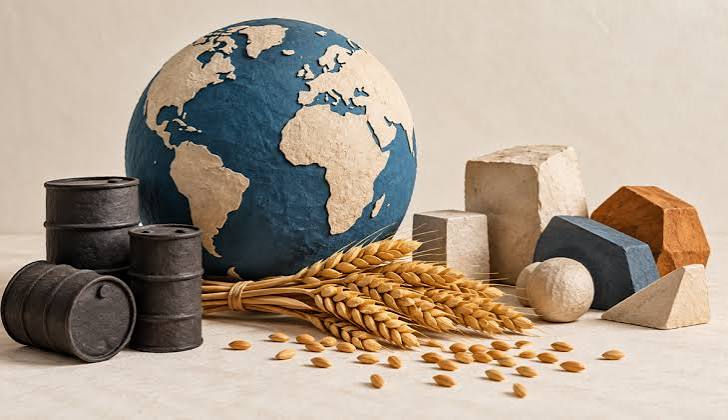
According to a flagship policy assessment released by the United Nations Development Programme (UNDP), titled No Time to Recover: Compounding Crises, Depleted Fiscal Buffers, and What It Means for Developing Economies, a convergence of surging international oil prices, severe climate shocks, and historic borrowing costs is threatening to push up to 132 million more people into poverty across the Global South, with acute structural vulnerabilities concentrated heavily across African economies.
The analysis outlines how developing nations are confronting an unprecedented fiscal squeeze as the macroeconomic fallout from sustained geopolitical conflict, a historic El Niño weather cycle, and tighter advanced-economy monetary conditions collide. With benchmark Brent crude oil prices repeatedly surging past 100 dollars per barrel and 10-year US Treasury yields trading near multi-decade highs of 5.3 percent, the cost of servicing external sovereign obligations and maintaining domestic energy stability has severely constrained public expenditure across capital-constrained jurisdictions.
For African economies, these macroeconomic developments translate into immediate, compounding fiscal and developmental friction. According to the UNDP data, the median developing country currently allocates approximately 9.5 percent of government revenue solely to interest payments, marking the highest proportion in 25 years and representing a burden more than three times that carried by high-income nations. In Sub-Saharan Africa, where fiscal buffers were already depleted by successive external shocks over the past decade, these debt-servicing obligations directly crowd out essential public investments in health, education, and climate adaptation infrastructure.
The pressure on public finances is exacerbated by the escalating cost of defending domestic energy markets against international price volatility. Retail gasoline and diesel prices across developing regions have climbed significantly since the onset of supply disruptions, prompting widespread government intervention through fuel subsidies, tax reductions, and price caps. According to the International Monetary Fund and International Energy Agency policy trackers cited in the report, hundreds of market interventions have been deployed globally to cushion households from the full pass-through of energy inflation. However, global explicit fossil fuel subsidies are projected to exceed 1 trillion dollars under prevailing price conditions, imposing a fiscal cost that many African treasuries cannot sustain without compromising macroeconomic stability.
Simultaneously, agricultural and food security systems across the continent face acute risks from the current El Niño cycle, which meteorological agencies warn is among the most powerful on record. The compounding effect of elevated transport and production fuel costs, combined with weather-induced agricultural deficits, threatens to deepen food insecurity across East, Southern, and West Africa. Projections cited by the UNDP indicate that regional food systems could face severe disruptions, increasing the number of acutely food insecure populations by more than 18 million in East and Southern Africa alone, and forcing governments to reallocate scarce public resources toward emergency humanitarian response and food import financing.
These converging pressures expose structural vulnerabilities in sovereign balance sheets, particularly for weak-credit economies where secondary market yields for 10-year sovereign bonds average approximately 9 percent. Such prohibitive borrowing costs effectively lock sovereigns out of international capital markets, restricting their capacity to finance deficit spending or roll over maturing debt obligations without domestic market distortion.

The implications for Africa extend far beyond short-term budgetary imbalances. As public institutions grapple with immediate liquidity constraints, long-term structural transitions, including power grid modernization, renewable energy deployment, and industrial diversification, risk being starved of capital. The UNDP analysis underscores that a durable economic stabilization strategy will require more than temporary price controls or fiscal containment; it necessitates comprehensive debt architecture reform, concessional liquidity support, and targeted social protection frameworks designed to protect vulnerable populations without overwhelming public treasuries.


