


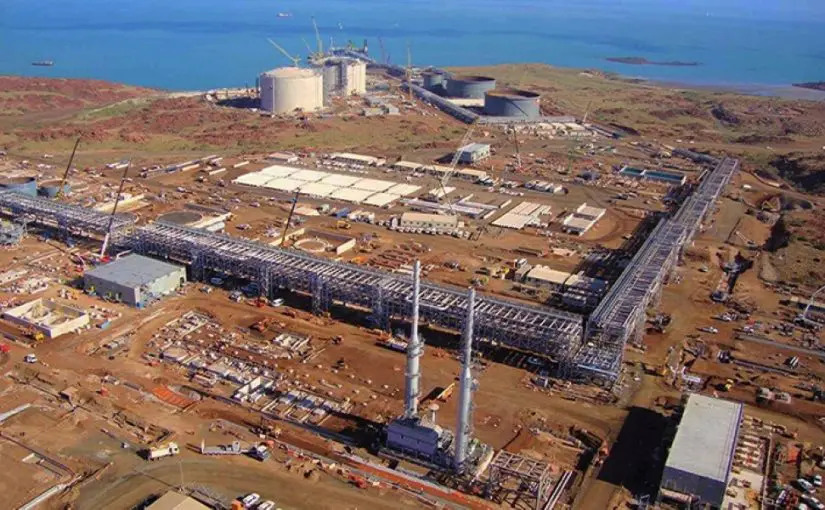
French energy major TotalEnergies is moving to integrate renewable energy into one of Africa’s largest natural gas developments by constructing a 7.1-megawatt (MW) solar power plant at its Mozambique LNG project in Afungi, reinforcing efforts to reduce operational emissions as construction resumes following a five-year suspension.
The company launched a call for expressions of interest on July 1 for the design, construction, installation and operation of the solar facility, according to tender documents reviewed by Portuguese news agency Lusa. The project forms part of TotalEnergies’ strategy to lower greenhouse gas emissions generated directly by its operations while supporting the restart of the approximately US$20 billion Mozambique LNG project, one of the continent’s largest energy investments.
Located in the Afungi peninsula in Mozambique’s northern Cabo Delgado Province, the solar installation will occupy approximately 6.5 hectares and comprise around 13,224 photovoltaic panels, which TotalEnergies has already procured. Once completed, the plant will generate electricity for both construction activities and future operational requirements at the liquefied natural gas (LNG) facility, reducing reliance on conventional power sources.

According to the company, the renewable energy system is intended to reduce Scope 1 and Scope 2 greenhouse gas emissions those produced directly by company operations and indirectly through purchased electricity. While relatively modest compared with the scale of the LNG development, the project reflects a broader trend among international energy companies seeking to improve the carbon efficiency of fossil fuel production through operational decarbonisation.
The announcement comes at a particularly significant moment for TotalEnergies. Only days earlier, a Paris court ruled that the company’s climate strategy was insufficient, adding further scrutiny to the environmental performance of major oil and gas companies as investors, regulators and civil society increasingly demand stronger climate action. Against this backdrop, investments that reduce operational emissions have become an increasingly important component of corporate climate strategies, even as companies continue investing in hydrocarbon production.
The solar facility also coincides with the formal restart of the Mozambique LNG project after construction resumed on 29 January 2026 during a ceremony attended by Daniel Chapo and Patrick Pouyanné. Construction had been suspended since April 2021 when TotalEnergies declared force majeure following armed insurgent attacks in Cabo Delgado Province that raised significant security concerns and halted one of Africa’s most strategically important energy projects.
With activities now resuming, the company estimates that the project is approximately 40% complete, with much of the engineering design and procurement work having been finalised before the suspension. More than 4,000 workers are currently deployed at the site, including over 3,000 Mozambican nationals, reflecting the project’s growing contribution to employment and local economic activity.
Once operational, Mozambique LNG is expected to produce approximately 13 million tonnes of liquefied natural gas annually, with first production targeted for 2029. TotalEnergies holds a 26.5% operating stake in the project, alongside a consortium comprising Mitsui & Co. (20%), Empresa Nacional de Hidrocarbonetos (15%), ONGC Videsh (10%), Beas Rovuma Energy (10%), BPRL Ventures (10%) and PTT Exploration and Production (8.5%).
For Mozambique, the project represents one of the country’s most significant economic development opportunities. During the January restart ceremony, President Daniel Chapo stated that Mozambique LNG could generate approximately US$35 billion in government revenue over 25 years, creating fiscal space to finance infrastructure, education, healthcare and broader economic development, provided revenues are managed transparently and effectively. Natural gas has become a cornerstone of Mozambique’s long-term development strategy following the discovery of substantial offshore reserves in the Rovuma Basin more than a decade ago. Together with other planned LNG developments, the country has the potential to emerge as one of the world’s major liquefied natural gas exporters over the coming decades.
However, the sector also presents complex sustainability challenges. While natural gas is widely viewed as a lower-carbon alternative to coal and oil, LNG production remains associated with greenhouse gas emissions throughout extraction, processing and transportation. Reducing operational emissions through renewable energy integration therefore represents one approach to improving the environmental performance of gas production without fundamentally altering the underlying energy source. Across Africa, a growing number of extractive industries are adopting hybrid energy systems that combine renewable electricity with conventional power generation to improve operational efficiency and reduce emissions. Mining companies, oil producers and industrial operators are increasingly investing in solar and wind energy to lower diesel consumption, reduce operating costs and meet evolving ESG expectations from investors and lenders.
According to the International Energy Agency (IEA), integrating renewable energy into industrial operations can significantly reduce operational emissions while enhancing energy security and lowering long-term electricity costs. Such investments have become increasingly attractive as solar technology costs continue to decline and companies seek to strengthen environmental performance. For Africa, the Mozambique LNG solar project also illustrates the continent’s evolving energy transition. Rather than representing a choice between fossil fuels and renewable energy, many large-scale projects are increasingly combining both. Renewable electricity is being used to power industrial processes associated with hydrocarbons, reducing operational emissions while supporting energy production that remains important for economic development and export revenues.
This dual-track approach reflects the reality facing many African economies. The continent possesses abundant renewable energy resources but also significant natural gas reserves that governments view as essential for industrialisation, energy access and fiscal development. Balancing these priorities remains one of Africa’s defining energy policy challenges.
The integration of solar energy into Mozambique LNG also supports broader corporate trends around operational decarbonisation. Investors increasingly distinguish between emissions generated during production and the downstream emissions resulting from fuel consumption by end users. While reducing Scope 1 and Scope 2 emissions does not eliminate the overall carbon footprint of natural gas, it demonstrates progress towards improving operational efficiency and aligning industrial facilities with evolving sustainability expectations.
https://www.aecweek-registration.com/2026/
For Mozambique, the restart of LNG construction represents renewed momentum for one of Africa’s largest foreign direct investment projects after years of uncertainty. Beyond export earnings, the development has the potential to stimulate local employment, infrastructure development, skills transfer and broader industrial growth if managed effectively. Nevertheless, long-term success will depend on maintaining security in Cabo Delgado, ensuring transparent governance of resource revenues and balancing economic development with environmental stewardship.
As Africa seeks to expand energy access while pursuing climate commitments, projects such as Mozambique LNG illustrate the increasingly complex relationship between hydrocarbons and renewable energy. The addition of a solar power plant may represent a relatively small component of a multibillion-dollar gas development, but it reflects a broader shift in which operational sustainability is becoming an integral part of major industrial investments across the continent.


