


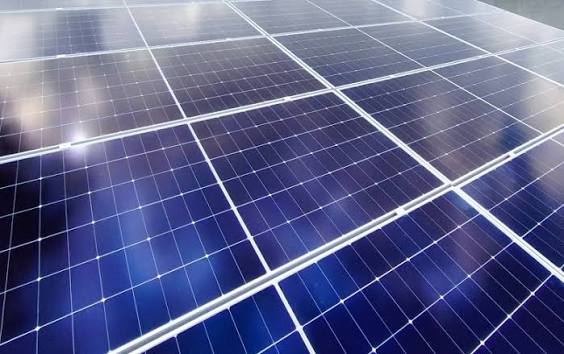
Zambia has exceeded its 2026 solar power capacity target, reaching approximately 1,027 megawatts (MW) of installed solar generation as the government seeks to diversify electricity supply, reduce exposure to hydrological risks and expand power availability for industry. The milestone, announced at the Energy Forum for Africa in Lusaka in October, marks a significant shift in the country’s generation mix, but also places greater pressure on transmission networks, distribution systems and electricity market arrangements to ensure that new capacity translates into reliable power for businesses and households.
According to figures announced by President Hakainde Hichilema, whose address was delivered by Vice-President Mutale Nalumango at the forum, Zambia’s installed solar capacity has increased from 178 MW in 2024 to approximately 1,027 MW, surpassing the government’s 1,000 MW target for 2026. Total installed electricity generation capacity has risen from 3,777 MW in 2024 to about 4,722 MW. The government has set a longer-term target of 10,000 MW of generation capacity by 2031, reflecting rising electricity requirements across the economy.
The pace of solar expansion is significant for a country whose electricity system has historically depended heavily on hydropower. Changes in rainfall and water availability can constrain generation from hydroelectric facilities, exposing households, businesses and industrial operators to supply disruptions. Solar power offers an alternative source of generation, particularly during daylight hours, although its output varies with weather conditions and does not independently resolve the need for dependable electricity throughout the day and night.

For Zambia, the issue has direct economic consequences. Mining remains central to export earnings, investment and public revenue, while agriculture, manufacturing and mineral processing require electricity that is both affordable and consistently available. Power shortages can raise operating costs, disrupt production and force companies to rely on alternative supplies. Expanding domestic generation could help ease these constraints, but the benefits will depend on whether electricity can be delivered when and where demand is greatest.
The government has consequently identified investment in transmission and distribution infrastructure as a priority alongside additional generation. At the Lusaka forum, Hichilema stressed that the expansion of installed capacity must be supported by stronger electricity networks. Acting Energy Minister Situmbeko Musokotwane also urged investors with signed power-purchase agreements to move projects towards implementation, highlighting the importance of converting announced investments and contractual commitments into operational assets.
The distinction between installed capacity and electricity delivered is critical. Solar facilities can add substantially to a country’s nameplate generation capacity without guaranteeing an equivalent increase in dependable supply at every hour. Transmission bottlenecks, distribution losses, limited grid flexibility and the timing of electricity demand can restrict how effectively new generation is used. Without corresponding investment in network infrastructure, some output may be constrained, while consumers in areas with weak connections may see limited improvement in service.
Read also: https://renewablesnow.com/news/zambia-reaches-just-over-1-gw-of-solar-to-hit-2026-target-1302749/
Battery storage could help address part of this challenge by retaining electricity generated during periods of strong sunlight and releasing it when production declines. Zambia’s broader energy strategy includes diversification through solar, thermal generation and storage technologies. The relative contribution of each option will depend on project costs, financing conditions, grid requirements and the need to maintain system reliability. Storage investment will be particularly relevant as solar becomes a larger share of the generation mix, although its economic value will depend on how it is procured and integrated into the power system.
Financing and implementation remain central to the next phase. Zambia’s expanding project pipeline offers opportunities for independent power producers, equipment suppliers, financiers and electricity traders. However, the conversion of projects into operating plants depends on bankable power-purchase agreements, credible payment arrangements, access to transmission capacity and regulatory conditions that give investors sufficient confidence in long-term revenues. Delays between project development, financing and construction could slow progress towards the 2031 generation target.
The regional dimension is also becoming more important. Zambia and its neighbours are pursuing stronger electricity links to improve supply options and support cross-border trade. At the Energy Forum for Africa, regional cooperation was highlighted as part of efforts to build a more integrated electricity market. Interconnectors and coordinated power trading can allow countries to exchange surplus electricity, diversify supply sources and serve industrial demand across borders. Their effectiveness, however, depends on available generation, adequate transmission capacity, compatible market arrangements and agreements governing electricity flows.
For the wider African energy transition, Zambia’s experience illustrates both the opportunity and the limits of measuring progress through generation capacity alone. Many African economies are seeking to expand electricity access while meeting the needs of growing cities, industrial development and energy-intensive sectors. Solar can help diversify supply and reduce dependence on a single generation source, but its contribution to economic development depends on the infrastructure and institutions connecting new power plants to users.
The environmental implications also extend beyond the addition of renewable capacity. Greater solar generation can reduce reliance on higher-emitting alternatives when it displaces fossil-fuel generation, while more diversified supply can reduce exposure to climate-related hydropower constraints. The scale of those benefits will depend on actual generation, dispatch patterns and the wider electricity mix. Solar expansion also requires attention to land use, equipment supply chains, end-of-life panel management and battery disposal as deployment increases.

Zambia’s achievement therefore represents a milestone in generation development rather than a final measure of electricity security. Meeting the next stage of its energy ambitions will require the country to align new capacity with grid investment, storage, commercially viable projects and regional electricity trade. The central test will be whether the additional megawatts support more dependable and affordable power for mines, manufacturers, farmers and households, while strengthening the resilience of the economy to climate and supply risks.


