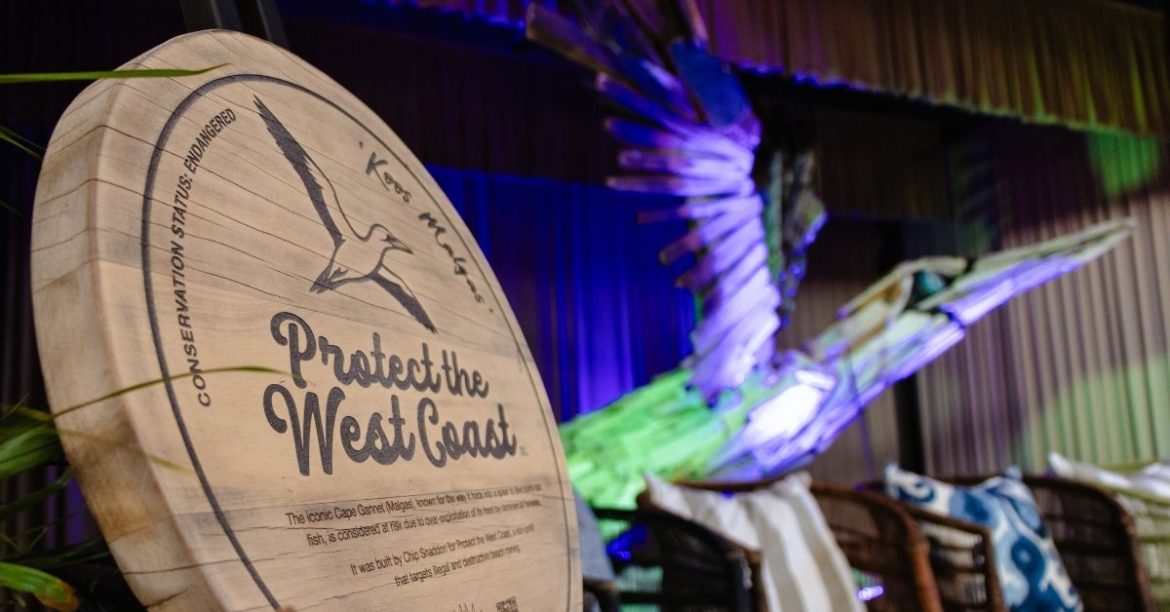
Indigenous leaders and regional stakeholders issued an urgent call for a moratorium on industrial expansion along South Africa’s West Coast on March 14, citing a “deluge” of mining applications that threatens to destabilize the region’s fragile ecological and social fabric.
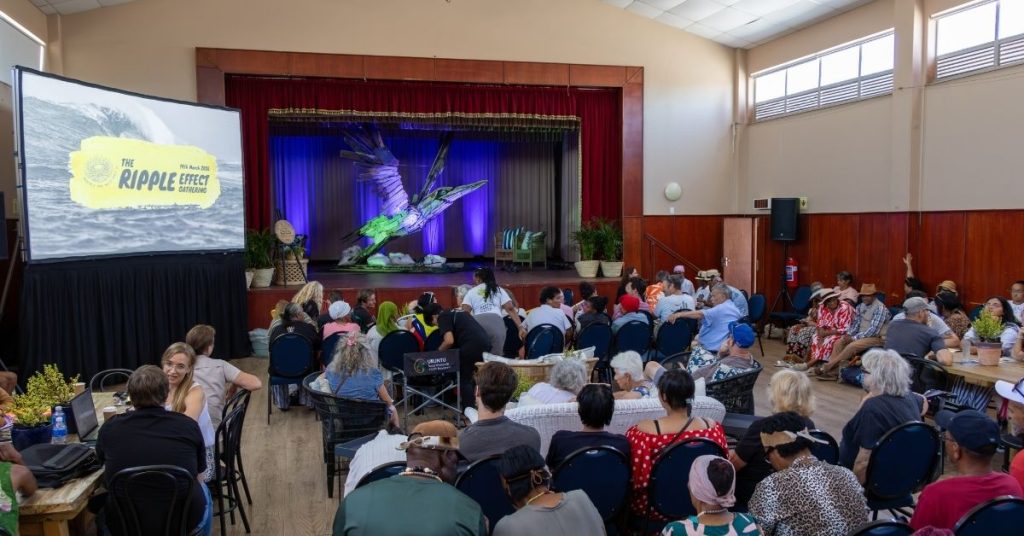
At the Ripple Effect Gathering in Langebaan, representatives from the Nama and Khoisan communities, alongside scientists and local government officials, argued that the current regulatory framework is failing to account for the cumulative economic and environmental costs of extraction.
The intervention follows a surge in activity, with 48 new mining and prospecting applications submitted in 2026 alone for the Western and Northern Cape provinces. For a region where only 10% of the coastline is formally protected, the escalation of industrial permits is increasingly viewed by fiscal and environmental analysts as a “tipping point” that risks permanent damage to the natural capital underpinning future growth in tourism and artisanal fisheries.
The central challenge for South African public finances and regional governance is a perceived conflict of interest within the Department of Mineral and Petroleum Resources (DMPR). Currently, the DMPR holds the dual mandate of promoting mineral resource development while simultaneously acting as the competent authority for issuing environmental authorizations.
Critics, including the advocacy group Protect the West Coast (PTWC), argue this institutional structure prioritizes short-term extractive revenue over the long-term stewardship required by the National Environmental Management Act (NEMA).
According to PTWC research, nearly the entire coastline from Elands Bay to the Orange River mouth is now under active mining or prospecting rights, a level of industrial density that compromises the Benguela Marine Ecosystem, one of the world’s most productive ocean systems.
The practical consequences of inadequate oversight are most visible in the failure of rehabilitation efforts, which leaves a significant fiscal and ecological liability for the state and local communities. In the Northern Cape, near Hondeklipbaai, approximately 5,000 hectares of land, the equivalent of 7,500 soccer fields, have been left unrehabilitated after decades of diamond mining.
According to geologist Allen Lyons, negligence at the Tormin mine has resulted in 13 separate cliff collapses since 2015, irreparably damaging 5.6 hectares of the coastal slope. Such degradation directly undermines the viability of the Succulent Karoo Biome, a global biodiversity hotspot where 85% of endemic plant species, such as the Conophytum genus, are already listed as endangered or critically endangered.
The displacement of traditional livelihoods represents a net loss to sovereign wealth. Artisanal fishers, such as Deborah de Wee of the Spirit of Endeavour Fisher Women, contend that the prioritization of mining ignores the constitutional and cultural rights of indigenous custodians whose economic survival depends on healthy marine “nurseries”.
When mining operations block beach access or create turbidity plumes that stifle kelp forests, they effectively terminate restorative conservation and nature-based enterprises.

According to UCT restoration botanist Peter Carrick, while even damaged land can theoretically be restored, the current failure to enforce financial provisioning for mine closures means that the “exit strategy” for most operations remains a moonscape of abandoned trenches and hollowed-out infrastructure.
The implications of this industrial surge extend to South Africa’s international commitments under the Gaborone Declaration for Sustainability in Africa, which mandates that natural capital be integrated into national accounting.
As the government prepares the Mineral Resources Development Bill of 2025, regional leaders like Saldanha Bay Executive Mayor Marius Koen are calling for a shift toward ecotourism and kelp farming as more sustainable economic drivers.
For African policymakers, the West Coast crisis serves as a governance test case: whether to continue with a site-specific, reactive permit system or to adopt a Strategic Environmental Assessment (SEA) that balances industrial needs with the intergenerational wealth of the continent’s coastal populations.