


The African Union (AU) has called for renewed international cooperation and stronger multilateral coordination to address Africa’s mounting peace and security challenges, warning that growing geopolitical tensions, economic instability and underfunded institutions are straining the continent’s conflict prevention and development systems.
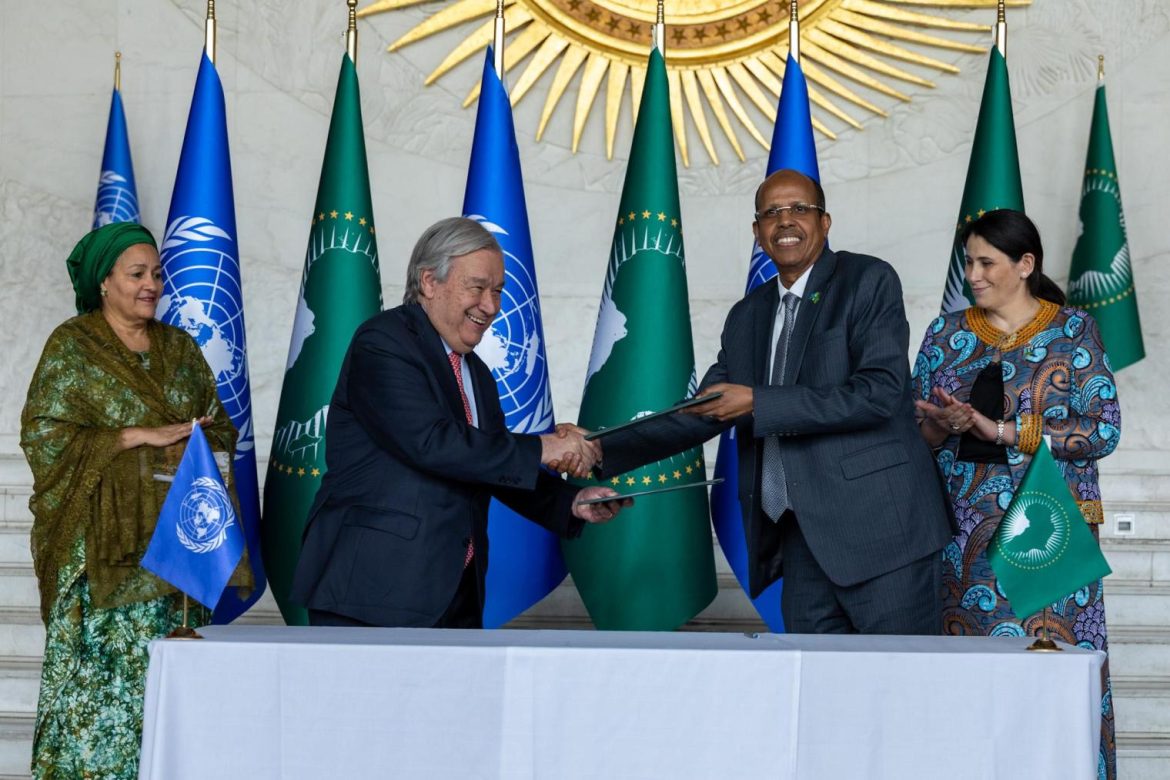
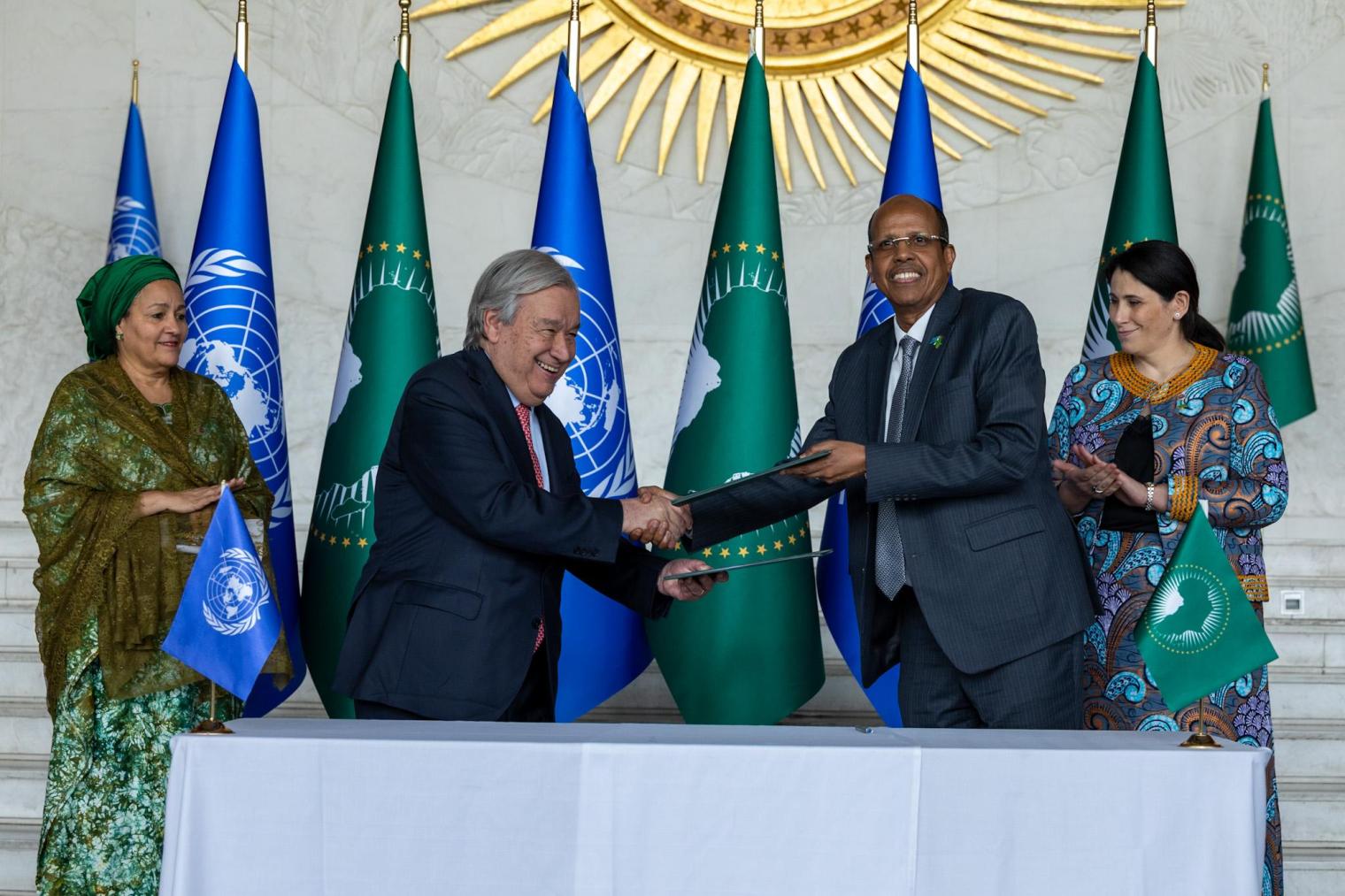
Speaking at the 4th African Union – United Nations High-Level Retreat in Libreville, African Union Commission Chairperson Mohamoud Youssouf said the effectiveness of preventive diplomacy, mediation and conflict resolution mechanisms was increasingly being tested amid what he described as broader pressures on the global multilateral order. The discussions followed the signing of a Joint Cooperation Framework between the African Union and the United Nations in Addis Ababa, aimed at strengthening coordination on peacebuilding, governance and sustainable development priorities across the continent.
Youssouf warned that global instability was having increasingly direct economic consequences for African states, citing recent tensions around the Strait of Hormuz as an example of how external geopolitical disruptions could affect African economies through higher energy, transport and commodity costs. For many African countries, particularly net fuel importers, disruptions to global shipping routes and oil markets carry immediate implications for inflation, food security, fiscal stability and industrial production.
According to the African Development Bank, rising global energy prices and supply chain disruptions continue to place pressure on public finances across many African economies already managing high debt servicing costs, currency volatility and climate-related shocks. Countries heavily dependent on imported fuel and fertilizer remain particularly exposed to geopolitical disruptions beyond the continent’s control.
The AU Chairperson also renewed calls for reform of the international financial architecture, arguing that existing global financial institutions continue to inadequately reflect Africa’s economic realities and development priorities. African leaders have increasingly pushed for changes to multilateral lending systems, including lower borrowing costs, expanded concessional financing and greater African representation within global financial governance structures.
The issue has gained urgency as debt servicing costs consume growing portions of national budgets across several African economies. According to the United Nations Economic Commission for Africa (UNECA), many governments are allocating more resources to debt repayment than to healthcare, education or climate adaptation programmes, limiting fiscal space for long-term development investment.
The retreat in Libreville took place against a backdrop of multiple security crises across the continent, including conflicts in Sudan, the eastern Democratic Republic of Congo and the Sahel region, where armed insurgencies, political instability and humanitarian emergencies continue to place pressure on regional institutions and international partners. At the same time, climate-related pressures including drought, food insecurity and displacement are increasingly intersecting with conflict risks in vulnerable regions.
Youssouf noted that limited financial and operational resources were constraining the effectiveness of multilateral institutions, including both the African Union and the United Nations, in responding to these overlapping crises. He called for enhanced coordination between the two organizations to improve conflict prevention, peace support operations and institutional resilience.
The AU–UN cooperation framework reflects broader efforts to strengthen African-led approaches to peace and security management while reducing dependence on external crisis responses. Analysts say the growing complexity of conflicts across Africa has reinforced calls for more predictable financing mechanisms for African peace operations, particularly as traditional donor support faces competing global demands.
The discussions also highlighted how peace and security challenges increasingly intersect with economic sustainability and governance. Prolonged insecurity disrupts infrastructure investment, weakens cross-border trade, reduces agricultural productivity and increases humanitarian spending pressures. In several regions, conflict-related displacement has further strained urban services, public health systems and labour markets.
For African governments, the debate around multilateral reform extends beyond diplomacy into broader questions about economic resilience and institutional sovereignty. Many policymakers argue that existing global governance systems continue to place African economies at a structural disadvantage through higher financing costs, unequal trade relationships and limited influence over international policy decisions that significantly affect the continent.
The AU’s renewed appeal for global solidarity therefore reflects not only immediate security concerns, but also wider efforts to position peacebuilding, economic reform and sustainable development as interconnected priorities. As geopolitical competition intensifies and global institutions face increasing strain, African leaders are seeking stronger partnerships that align security cooperation with long-term development financing, infrastructure resilience and institutional capacity-building.
While the retreat produced no immediate policy commitments, the emphasis on deeper AU–UN coordination underscores growing recognition that Africa’s peace and security challenges cannot be separated from broader questions of economic governance, financial reform and global political representation.


