


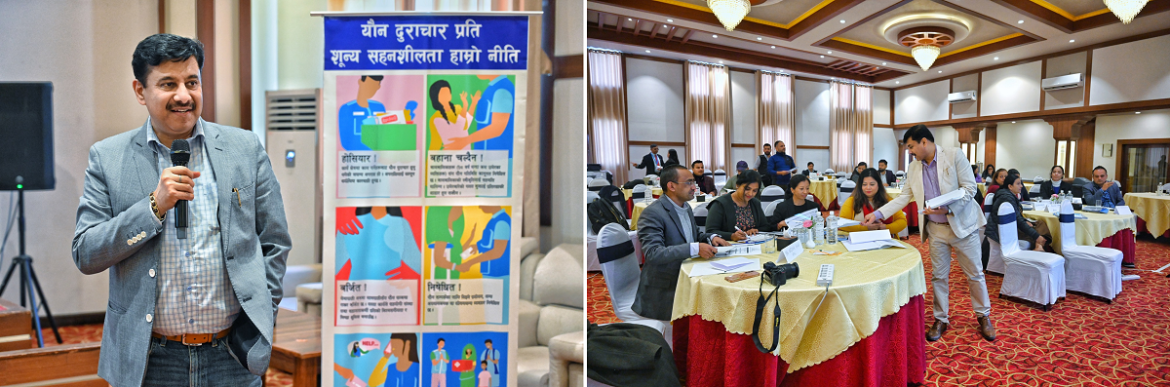
Nepal’s Ministry of Health and Population (MOHP), working with the World Health Organization (WHO), has expanded national laboratory quality management capacity through a new internal auditor and lead assessor training programme aligned with ISO 15189:2022 standards, reflecting broader international efforts to strengthen diagnostic systems and public health preparedness following the COVID-19 pandemic. The initiative, supported by USAID’s Global Health Security and Pandemic Influenza Preparedness Programme, trained laboratory professionals across national and subnational health institutions to improve laboratory auditing, accreditation oversight and disease surveillance capabilities.
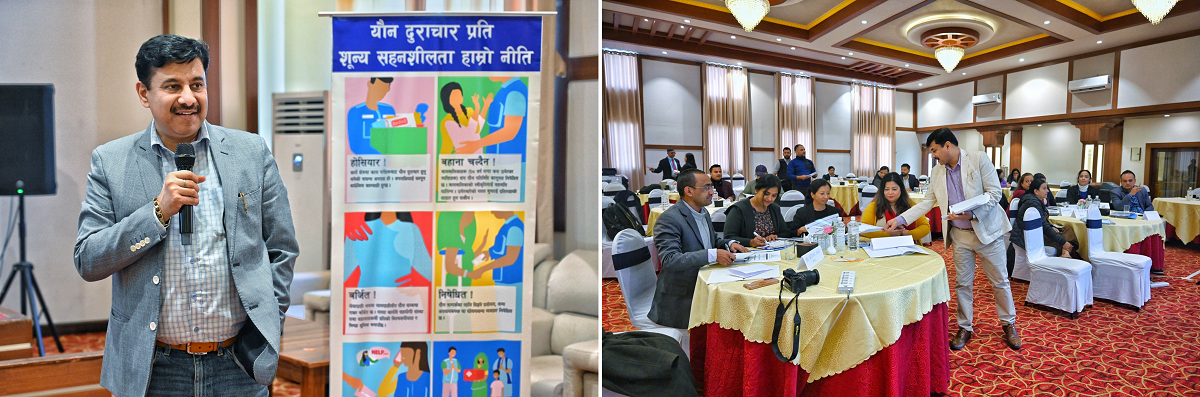
The programme, conducted in December through a partnership between Nepal’s Ministry of Health and Population and the WHO Country Office for Nepal, focused on strengthening compliance with ISO 15189:2022, the internationally recognized standard governing quality and competence in medical laboratories. The framework establishes requirements for laboratory management systems, technical operations, risk management and continuous quality improvement, increasingly viewed as central to resilient public health systems and effective emergency response infrastructure.
According to Nepal’s health authorities, 42 participants were certified as internal auditors following the training programme, while 12 qualified as lead assessors responsible for overseeing accreditation processes and external audits. The initiative involved laboratory personnel from national reference laboratories, federal hospitals and public health institutions, alongside WHO staff, to strengthen institutional oversight across the country’s diagnostic network.
The training was facilitated by Dr Bhupendra Kumar Rana of the Quality and Accreditation Institute and focused on risk-based laboratory management, quality assurance systems, audit methodologies and compliance procedures linked to ISO 15189 accreditation requirements. The programme was designed to support Nepal’s broader laboratory strengthening agenda following recommendations made under the Joint External Evaluation process, which assesses national preparedness capacities for health emergencies under the International Health Regulations framework.
The expansion of laboratory accreditation systems comes as governments globally continue to reassess weaknesses exposed during the COVID-19 pandemic, when diagnostic bottlenecks, inconsistent testing quality and fragmented surveillance systems affected disease response capabilities in both advanced and developing economies.
According to the WHO, laboratory systems form a critical component of national health security infrastructure because reliable diagnostics underpin disease detection, outbreak monitoring, antimicrobial resistance surveillance and emergency response planning. Weak laboratory quality management systems can compromise clinical outcomes, distort surveillance data, and undermine confidence in public health institutions.
For African economies, the Nepal initiative carries growing relevance as countries across the continent seek to strengthen laboratory infrastructure amid increasing health security risks linked to infectious disease outbreaks, antimicrobial resistance and climate-sensitive health threats. The Africa Centres for Disease Control and Prevention has repeatedly highlighted the need for expanded laboratory accreditation, workforce development and regional diagnostic manufacturing capacity to reduce dependence on external systems during public health emergencies.
During the COVID-19 pandemic, many African countries faced constraints linked to limited testing infrastructure, shortages of laboratory personnel and fragmented quality assurance systems. Since then, governments and development institutions have increased investment in public health laboratories, genomic surveillance platforms, and disease monitoring systems designed to improve preparedness for future outbreaks.
Several African countries, including South Africa, Kenya, Rwanda and Senegal, have accelerated laboratory accreditation programmes linked to ISO standards while expanding national public health institutes and regional reference laboratories. According to the African Society for Laboratory Medicine, accredited laboratory systems are increasingly important not only for clinical diagnostics but also for trade, pharmaceutical regulation, food safety monitoring and antimicrobial resistance management.
The Nepal training programme also reflects the growing role of international financing partnerships in strengthening health infrastructure in developing economies. Donor-backed programmes linked to global health security have expanded significantly since the pandemic, with institutions including the WHO, World Bank, USAID and the Global Fund increasing support for surveillance systems, laboratory networks and workforce training.
However, analysts note that sustaining laboratory quality systems requires long-term institutional financing, regulatory oversight, and technical retention beyond donor-supported training cycles. Many low- and middle-income countries continue to face challenges linked to equipment maintenance, workforce migration, and inconsistent funding for laboratory operations.
Nepal’s emphasis on internal auditors and lead assessors highlights a broader shift toward building domestic technical capacity rather than relying exclusively on external accreditation support. Internal auditors are responsible for identifying procedural weaknesses, non-conformities and operational risks within laboratories before external assessments occur, while lead assessors coordinate accreditation reviews and ensure compliance with international standards.
Public health officials involved in the programme said stronger laboratory systems are expected to improve diagnostic reliability, disease surveillance, and emergency response coordination. Nepal’s National Public Health Laboratory Director, Dr Ranjan Raj Bhatta, said the training contributes to improving preparedness for emerging pathogens and strengthening confidence in national diagnostic systems.

WHO Representative to Nepal Dr Rajesh Sambhajirao Pandav said maintaining laboratory quality standards has become increasingly important following the rapid expansion of diagnostic infrastructure during the pandemic period. According to WHO officials, laboratory quality management systems are expected to remain central to future preparedness strategies as countries confront rising risks linked to zoonotic diseases, climate-sensitive infections, and antimicrobial resistance.
For African policymakers, the Nepal experience illustrates how laboratory accreditation is becoming increasingly integrated into broader health security and economic resilience strategies. Reliable diagnostic systems influence not only clinical outcomes but also trade certification, pharmaceutical manufacturing standards, tourism recovery and investor confidence in public health governance.
The continued expansion of accredited laboratory networks across emerging economies may therefore shape future global health financing priorities, regulatory cooperation, and pandemic preparedness frameworks. As international health systems place greater emphasis on surveillance quality and real-time disease monitoring, countries with stronger laboratory governance and technical standards may be better positioned to respond to health emergencies while strengthening broader institutional resilience.


