


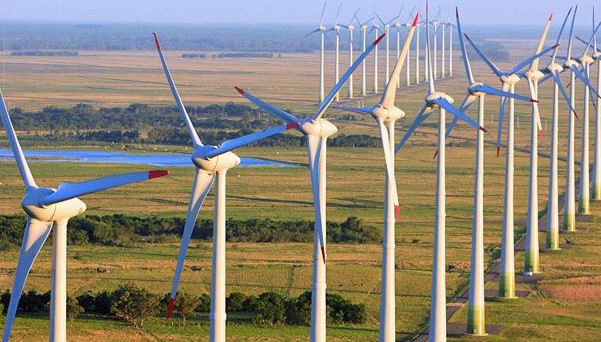
Meridiam and Craftskill Energy have officially launched the Siruai renewable energy project in Kenya, a €200 million infrastructure investment that combines 100 megawatts of wind power with a 50 megawatt-hour battery energy storage system, marking what the developers describe as East Africa’s first utility-scale wind-storage hybrid project.
The project, unveiled on May 10, reflects growing efforts across Africa to strengthen grid reliability while accelerating renewable energy integration at a time when governments face mounting pressure to expand electricity access, improve energy security and reduce dependence on fossil fuels.
Located near the Kipeto Wind Farm approximately 70 kilometres south of Nairobi, the Siruai project is expected to play a strategic role in stabilising Kenya’s electricity network by addressing one of renewable energy’s most persistent technical challenges: intermittency.
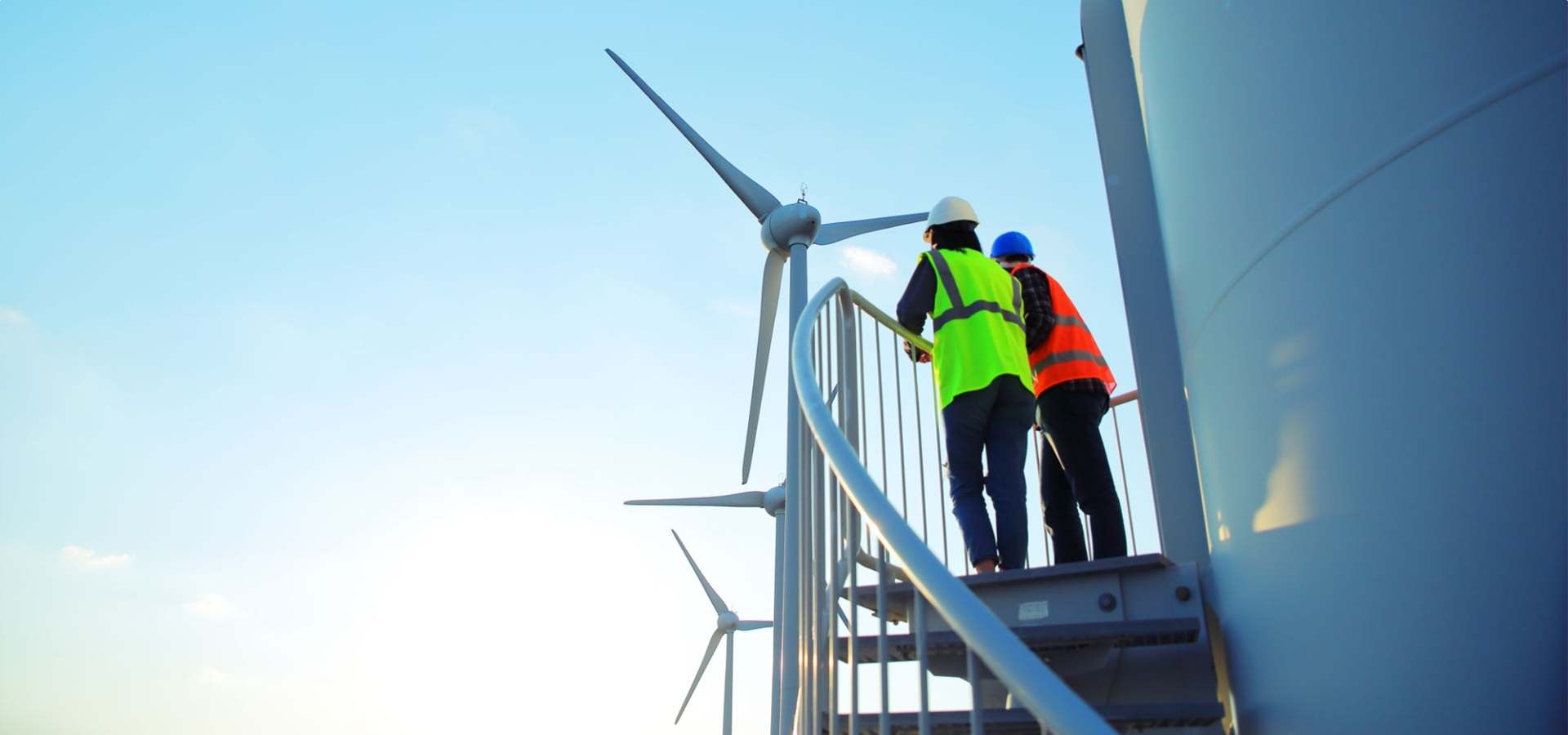
In a statement announcing the launch, Meridiam said the hybrid configuration would improve grid flexibility and service quality for both households and businesses by storing surplus electricity generated during peak wind conditions and releasing it back into the grid when demand rises or generation falls.
The project expands Meridiam’s renewable energy footprint in Kenya following its acquisition of BTE Renewables from Actis in 2023. Through that transaction, the French infrastructure investor also took ownership of the 100 MW Kipeto wind farm, which has been operational since July 2021 and remains one of Kenya’s largest wind energy facilities.
According to the developers, the integration of battery storage into large-scale renewable projects represents a significant shift in East Africa’s power infrastructure strategy, where governments and utilities are increasingly prioritising grid resilience alongside clean energy expansion.
Kenya already operates one of Africa’s most renewable-heavy electricity systems. According to the International Energy Agency, geothermal energy accounted for 43% of Kenya’s electricity generation in 2024, followed by hydropower at 28% and wind energy at 14%. The country has positioned itself as a regional leader in renewable electricity generation, supported by long-term investment in geothermal development, wind farms and transmission infrastructure.
However, as renewable capacity expands, energy planners have increasingly highlighted the need for storage systems capable of balancing fluctuations in power supply. Variable energy sources such as wind and solar can create instability in electricity networks if generation patterns do not align with demand, particularly in countries with rapidly growing urban populations and industrial activity.
Battery energy storage systems are therefore emerging as a critical component of Africa’s next generation of power infrastructure. Analysts say storage technologies can help utilities reduce outages, improve electricity reliability and lower dependence on expensive diesel-powered backup generation, particularly during periods of peak demand or transmission stress.
For Kenya, the Siruai project also aligns with broader national ambitions to position the country as a clean energy hub for East Africa while attracting private capital into infrastructure and climate-related investments. The government has increasingly promoted renewable energy as both an economic and environmental strategy, particularly as global financiers place greater emphasis on low-carbon infrastructure projects.
The investment comes amid rising global interest in hybrid renewable systems that combine generation and storage technologies to enhance energy efficiency and network resilience. Across emerging markets, investors are increasingly viewing battery storage as essential to scaling renewable energy deployment without compromising grid stability.
Beyond its technical significance, the Siruai project may also carry wider implications for industrial development and regional competitiveness. Reliable electricity supply remains a major constraint for manufacturing, digital infrastructure and business growth across many African economies. Improving grid stability could therefore support broader economic activity while reducing losses linked to power interruptions and voltage fluctuations.
Read also:Kenya advances first nuclear power plant plans with 2000MW Siaya County project
The project also reflects the growing role of private infrastructure investors in financing Africa’s energy transition at a time when many governments face constrained public budgets and rising debt servicing pressures. Public-private partnerships and blended finance structures are increasingly becoming central to the development of renewable energy infrastructure across the continent.

As East African economies continue to expand electricity access while pursuing climate and industrialisation goals, projects combining renewable generation with storage technology are expected to become more prominent. For Kenya, the Siruai project represents not only a new phase in renewable energy deployment, but also a test case for how battery-backed infrastructure could reshape electricity systems across the region.


