


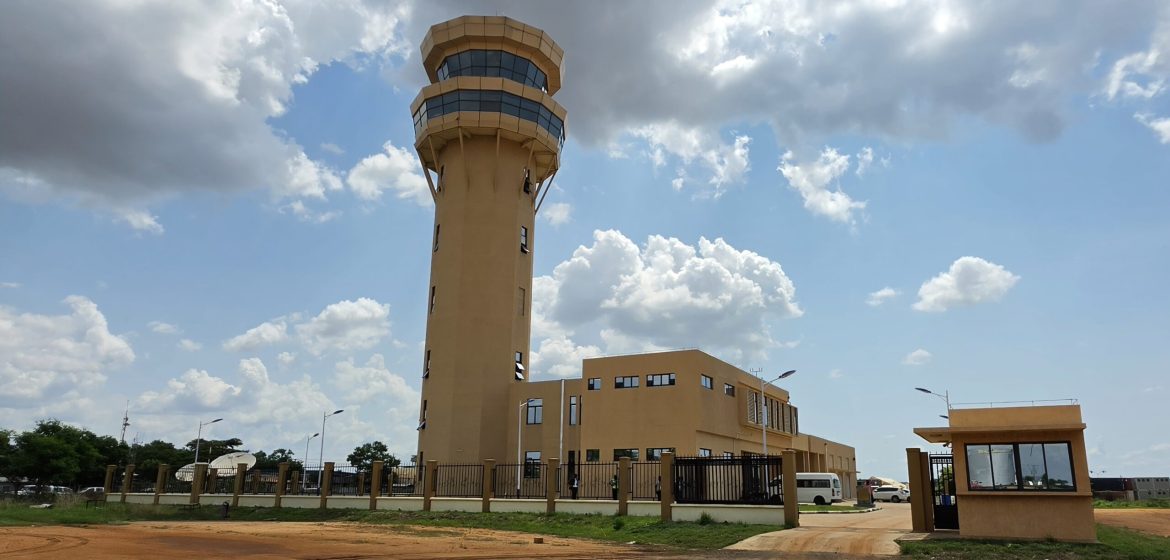
South Sudan has launched its first fully operational independent air traffic management control system, ending nearly a decade of reliance on neighbouring Sudan for oversight of its airspace and marking a significant step in the country’s efforts to strengthen critical transport infrastructure amid ongoing economic and political instability. The system, inaugurated in Juba on Monday under a cooperation agreement with China, is expected to improve aviation safety, modernize air navigation services and support the country’s longer-term integration into regional and international air transport networks.
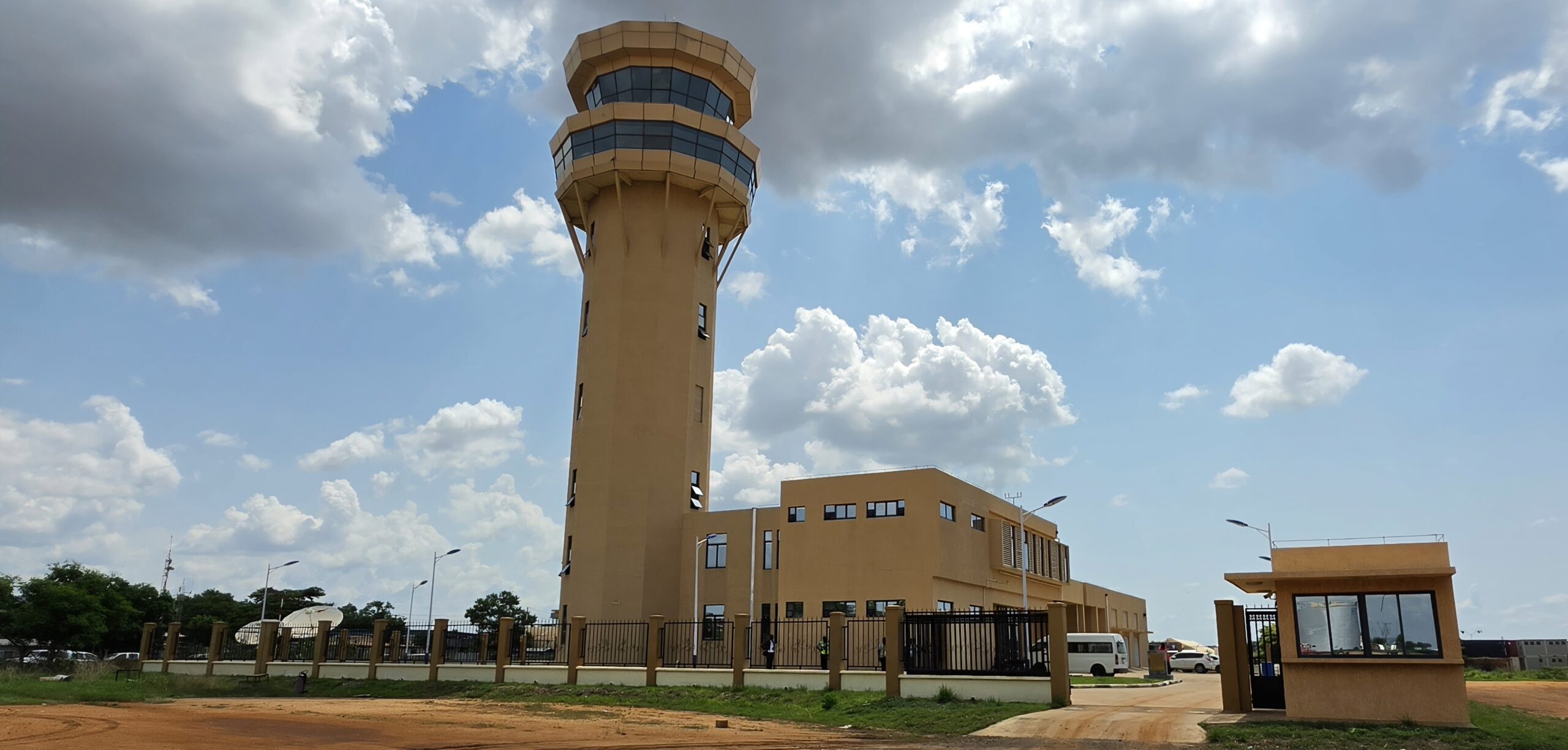
President Salva Kiir described the launch as a strategic milestone for the world’s youngest nation, which has depended on a 2016 arrangement with Sudan to manage portions of its airspace following independence in 2011. Speaking during the inauguration ceremony, Kiir said the system would allow South Sudan to “reclaim full control” of its skies while improving the country’s operational capacity in civil aviation.
The project was developed with support from the Chinese government and includes the installation of national airspace monitoring and control infrastructure as well as technical training for more than 80 South Sudanese aviation personnel. According to Transport Minister Rizik Zakaria, the initiative forms part of broader cooperation between Juba and Beijing aimed at addressing longstanding infrastructure deficits in the country’s transport sector.
The launch comes at a time when South Sudan continues to face severe logistical and connectivity challenges. Years of conflict, underinvestment and economic fragility have left the country with limited road networks and weak transport systems, increasing dependence on air travel for passenger movement, humanitarian operations and trade. Aviation therefore plays an outsized role in connecting remote regions, supporting relief operations and facilitating regional mobility.
However, safety concerns have continued to weigh heavily on the sector. Aircraft accidents remain relatively frequent, reflecting broader infrastructure and operational weaknesses. Earlier this year, at least 14 people were killed in a plane crash shortly after take-off from Juba, renewing scrutiny of aviation oversight and technical capacity within the country. Industry observers note that improving air traffic coordination and surveillance systems is likely to become increasingly important as passenger and cargo movements expand across East Africa.
According to regional aviation analysts, independent airspace management also carries fiscal implications for South Sudan. Countries that control and manage their own airspace can generate revenues through overflight fees charged to international carriers using designated flight corridors. For governments facing budgetary pressure and limited domestic revenue bases, aviation-related income can provide an additional source of foreign exchange and operational funding for infrastructure maintenance.
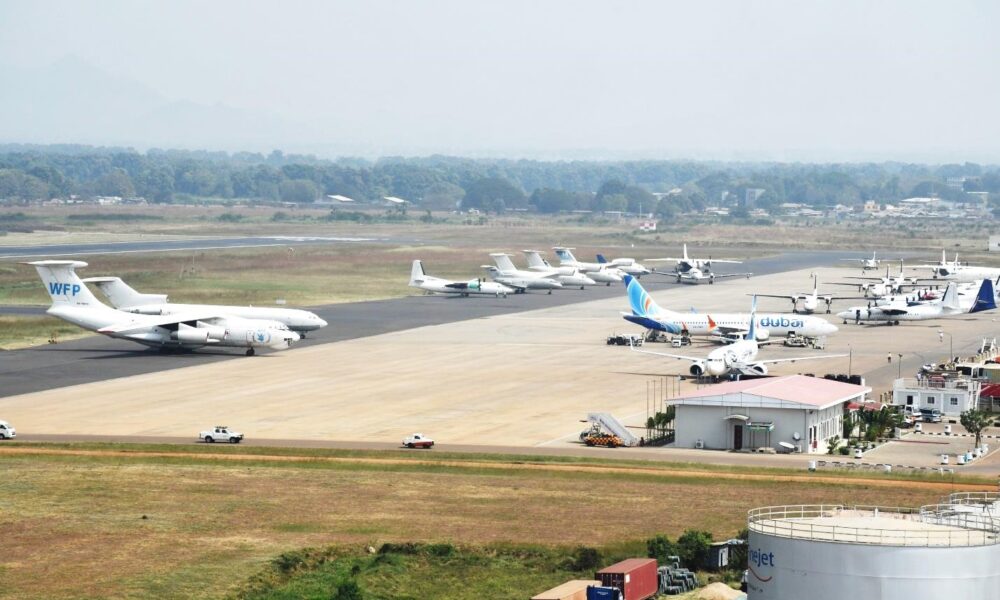
The development also reflects the growing role of China in financing and constructing strategic infrastructure across Africa, particularly in transport, telecommunications and energy systems. Chinese-backed aviation projects have expanded across several African countries in recent years as governments seek to modernize airports, strengthen air traffic management systems and improve regional connectivity to support trade and economic integration under frameworks such as the African Continental Free Trade Area.
For South Sudan, the modernization of aviation infrastructure is closely tied to broader state-building and institutional development efforts. The country remains heavily dependent on oil exports, vulnerable to political instability and exposed to humanitarian pressures linked to displacement, food insecurity, and climate-related shocks. Improving transport coordination and national infrastructure systems is therefore viewed not only as a technical requirement but also as part of efforts to strengthen governance capacity and economic resilience.
Analysts caution, however, that maintaining the system’s long-term effectiveness will depend on sustained investment, technical maintenance and institutional continuity. Air traffic management systems require stable power supply, cybersecurity safeguards, continuous staff training and reliable operational financing, areas that remain challenging in fragile and conflict-affected states.

The expansion of aviation infrastructure also comes as African countries seek to improve regional air connectivity and reduce dependence on external routing systems that increase costs and travel times. According to the African Airlines Association (AFRAA), intra-African air travel remains among the most expensive globally due to fragmented aviation markets, limited infrastructure and regulatory barriers. Investments in modern air navigation systems are increasingly seen as essential to improving efficiency and supporting trade; tourism and investment flows across the continent.
While South Sudan’s new system represents a technical milestone, its broader significance lies in what it signals about infrastructure priorities in emerging African economies. As governments invest in transport modernization to support economic diversification and regional integration, the ability to manage critical systems independently is becoming increasingly tied to questions of sovereignty, revenue generation and institutional capacity.
For a country still navigating the economic and political realities of post-independence statehood, the launch of an independent airspace management system reflects both the scale of the challenges that remain and the strategic importance of infrastructure in shaping future development pathways.


