


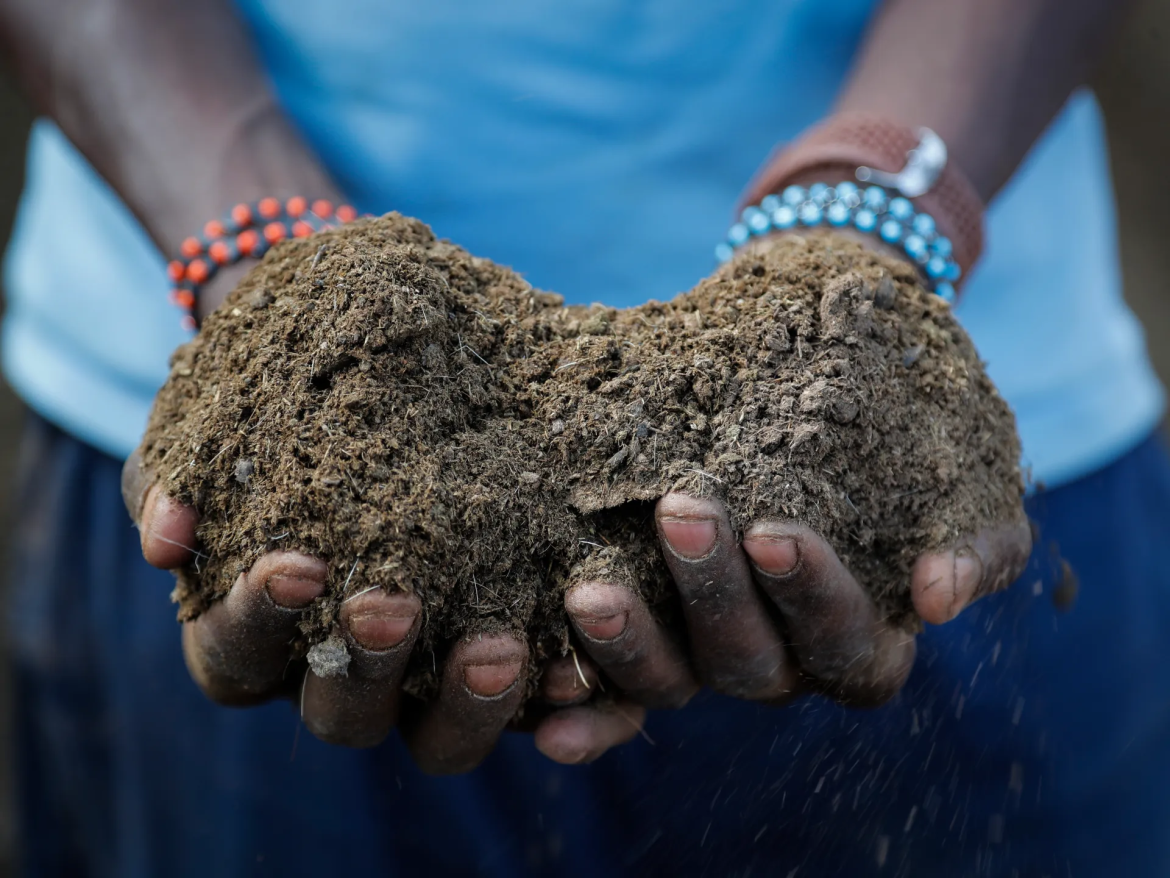
Mali is negotiating new mechanisms with Russia to secure fertilizer supplies for future farming seasons, as rising geopolitical tensions, export controls and maritime disruptions place growing pressure on global agricultural input markets and threaten food production costs across Africa.
The discussions took place during the 17th Russia-Islamic World International Economic Forum held in Kazan from May 12 to 17, where Malian and Russian officials explored ways to ensure what Bamako described as a “regular and anticipatory” supply of agricultural inputs to support national crop production and maintain farming schedules.
According to a statement issued by Mali’s government information office, both sides agreed to develop an operational roadmap covering delivery schedules, logistics coordination and financing arrangements aimed at stabilising fertilizer access for the West African country.
The talks come at a time of heightened volatility in global fertilizer markets, driven by geopolitical instability in the Middle East, tightening export restrictions among major producing countries and growing concerns over supply chain disruptions affecting agricultural trade flows.
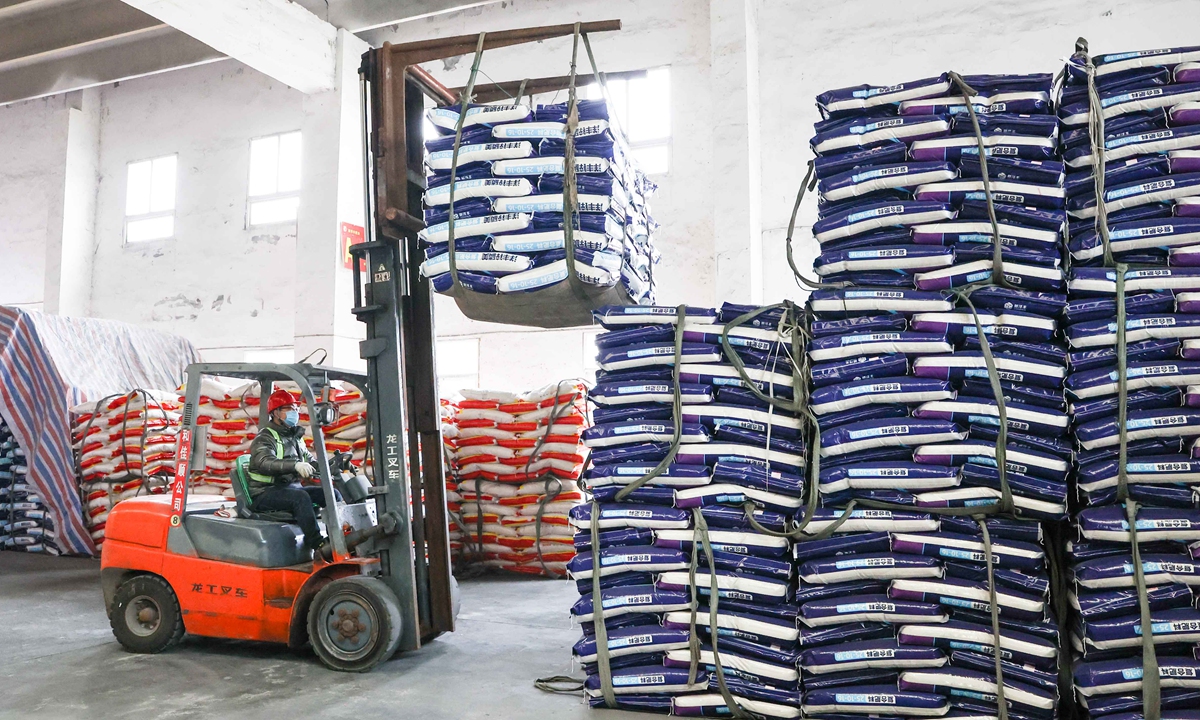
In its latest Commodity Markets Outlook published in April, the World Bank warned that global fertilizer prices could rise by more than 30 percent in 2026 as tensions affecting maritime trade routes, particularly through the Strait of Hormuz, increase risks to international supply chains.
Nearly one-third of global seaborne fertilizer trade passes through the strategic waterway, making disruptions in the region particularly significant for import-dependent economies.
Urea, the world’s most widely used nitrogen fertilizer, remains especially exposed to these pressures. The World Bank estimates average urea prices could reach approximately $675 per tonne in 2026, representing a sharp increase from 2025 levels.
For Mali, where agriculture remains central to employment, food security and rural livelihoods, rising fertilizer prices pose direct risks to production costs and crop yields.
Trade data indicate that Russia has become one of Mali’s leading fertilizer suppliers in recent years. In 2023, Mali imported nearly 310,000 tonnes of nitrogen fertilizers, with Russia accounting for approximately 27 percent of those imports, making it the country’s second-largest supplier after Finland.
The growing strategic importance of fertilizer access reflects broader concerns across Africa, where many economies remain heavily reliant on imported agricultural inputs while facing increasing exposure to global commodity market volatility.
At the same time, several major fertilizer-producing countries have moved to prioritise domestic agricultural needs over export markets.
Russia announced in April that it would cap fertilizer exports at 20 million tonnes between June and November 2026 to secure local supply during its spring farming season, a measure likely to tighten international availability further.
China, the world’s largest fertilizer producer and consumer, extended restrictions on urea exports through August 2026, while Egypt recently introduced a temporary export tax on nitrogen fertilizers aimed at limiting external sales and protecting domestic markets.
Analysts say these developments signal a broader restructuring of global fertilizer trade, where food security considerations are increasingly driving national export policies and reducing predictability for importing countries.
Import-dependent African economies such as Mali remain particularly vulnerable to these shifts, given limited domestic fertilizer production capacity and the critical role fertilizers play in sustaining agricultural productivity.

https://www.aecweek-registration.com/2026/?repid=
According to the International Fertilizer Development Center, Mali’s apparent fertilizer consumption averaged approximately 516,000 tonnes annually between 2019 and 2023, underscoring the country’s significant reliance on external supply chains.
Agricultural economists warn that sustained price increases could weaken food production, increase inflationary pressures and strain government budgets already facing broader fiscal challenges linked to climate shocks, insecurity and rising import costs.
The negotiations with Russia therefore reflect not only a bilateral trade discussion but a wider effort by African governments to secure strategic agricultural inputs amid increasingly fragmented and politically sensitive global commodity markets.


