


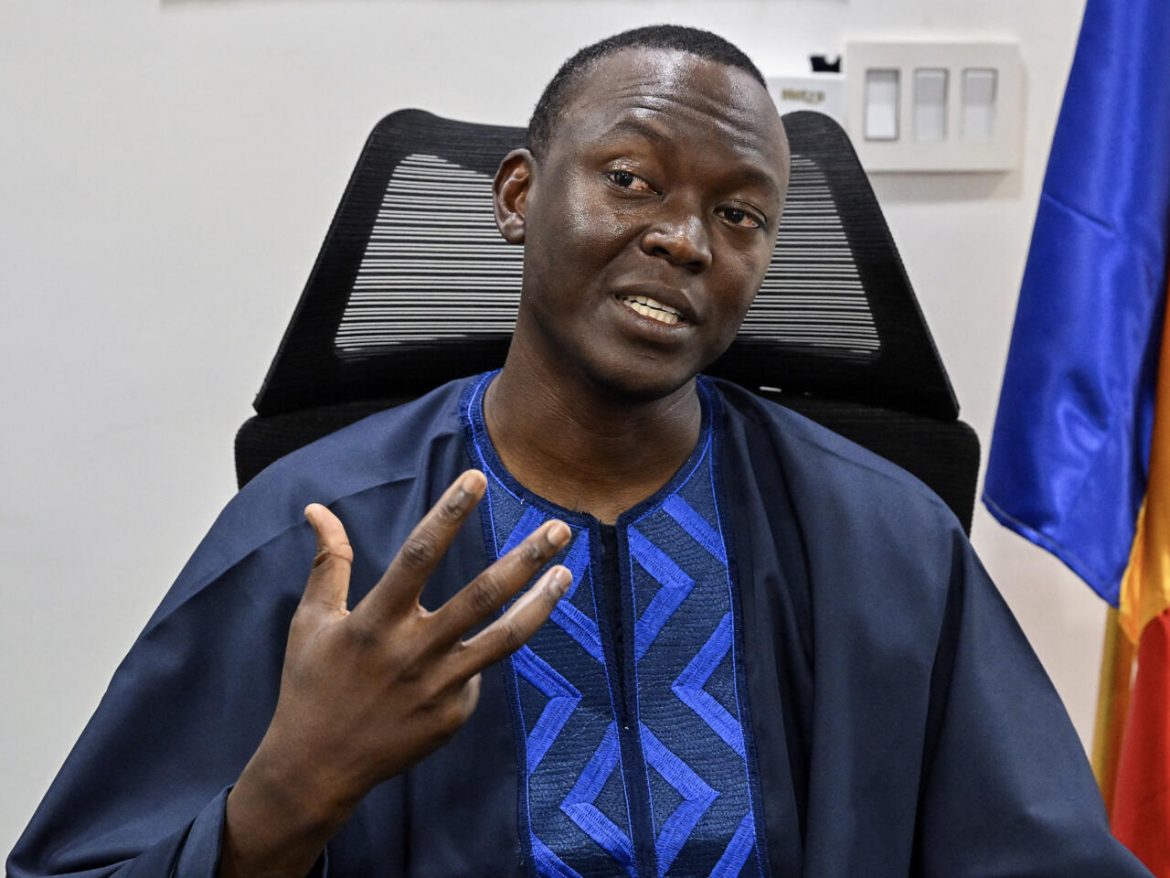
Chad’s Supreme Court has rejected an appeal by opposition leader and former Prime Minister Succès Masra, ensuring he remains in prison after a controversial conviction that has intensified scrutiny of political freedoms and governance stability in the Central African country. The ruling, delivered in N’Djamena on Thursday under heavy security, upholds a 20-year prison sentence handed down in August 2025 on charges including inciting violence and complicity in murder.
Masra, leader of the opposition party Les Transformateurs and one of President Mahamat Idriss Déby Itno’s most prominent political challengers, was arrested in May 2025 following months of heightened political tensions. His legal team argued before the Supreme Court that procedural and evidentiary flaws undermined the case, but the court dismissed the appeal despite what lawyer Francis Kadjilembaye described as extensive legal arguments.
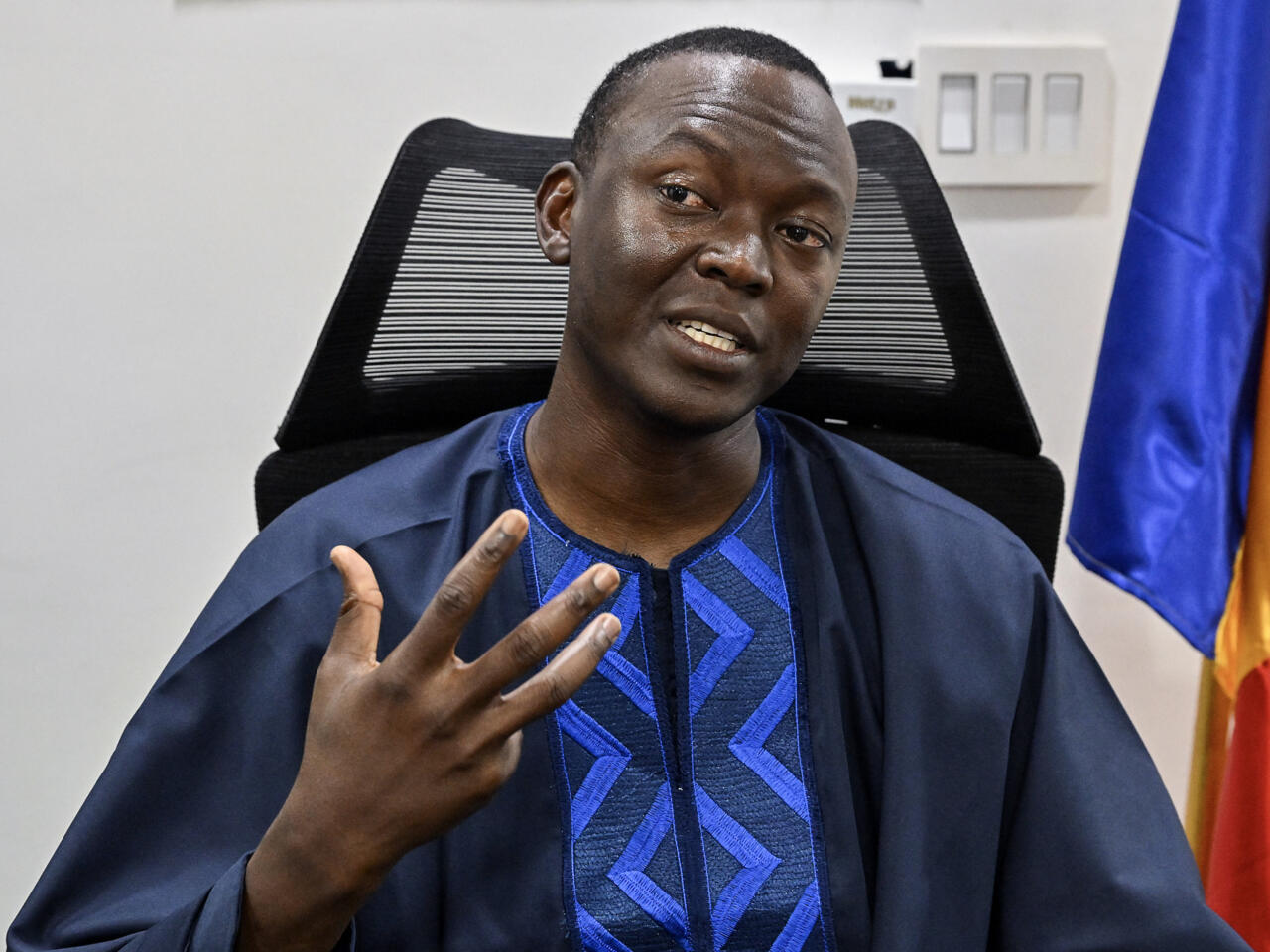 The decision comes at a politically sensitive moment for Chad, where authorities have intensified pressure on opposition movements and civil society groups ahead of a broader political transition process following years of military-led governance. According to Human Rights Watch, Masra’s prosecution reflects what the organization describes as a shrinking political space and growing intolerance toward dissenting voices.
Security forces were deployed heavily around the Supreme Court during the hearing, with several journalists reportedly denied access to proceedings. The tight security environment reflects wider concerns over public unrest in a country that has experienced repeated episodes of political instability and violent demonstrations in recent years.
Masra’s political trajectory has mirrored the complexities of Chad’s evolving governance landscape. Trained as an economist in France and Cameroon, he emerged as a vocal critic of the transitional authorities before unexpectedly being appointed prime minister months ahead of the 2024 presidential election. Although official results showed President Déby winning with more than 61% of the vote against Masra’s 18.5%, the opposition leader rejected the outcome and alleged electoral irregularities.
The latest court ruling follows a broader crackdown on opposition activity. Earlier this month, eight opposition leaders linked to a major coalition were sentenced to prison terms on charges, including insurrection after authorities dissolved the alliance. Opposition groups have repeatedly accused the government of restricting public gatherings, intimidated political activists, and limiting civic participation.
Analysts say the tightening political environment could carry wider implications for Chad’s economic governance and investor confidence at a time when the country remains heavily dependent on oil revenues and external financial support. Political stability remains central to Chad’s fiscal outlook, particularly as the government faces mounting pressures linked to security spending, inflation and infrastructure deficits.
Read also: https://www.hrw.org/news/2025/08/12/chad-20-year-sentence-for-opposition-leader
According to regional development experts, prolonged political uncertainty can affect donor relations, public sector reforms and private investment flows, particularly in fragile economies where governance risks already weigh heavily on long-term planning. Chad continues to rank among Africa’s poorest countries despite significant oil production, with large portions of the population facing limited access to healthcare, education and formal employment opportunities.
The country also occupies a strategically important position within the Sahel, a region confronting escalating insecurity linked to armed insurgencies, cross-border militancy, and humanitarian displacement. International partners have historically viewed Chad as a key security ally, particularly in counterterrorism operations across Central and West Africa. However, governance concerns and restrictions on political participation may increasingly complicate relations with development partners advocating institutional reforms and democratic accountability.
The death of a member of Masra’s party during protests earlier this year further highlighted the volatility surrounding opposition politics in Chad. Civil society organizations and regional observers have warned that sustained restrictions on political participation could deepen public frustration, particularly among urban youth populations already facing high unemployment and limited economic opportunities.
For African economies navigating fragile political transitions, the Chad case underscores the close relationship between governance, institutional credibility and sustainable development. Political inclusion and legal transparency are increasingly viewed by investors and multilateral institutions as central components of economic resilience, particularly in countries seeking to strengthen public finances, attract capital and manage long-term development challenges.
 While the Supreme Court ruling may close one legal avenue for Masra, analysts expect the case to remain a focal point in debates over democratic governance, political legitimacy and state stability in Chad and across the wider Sahel region.


