


Liberia has secured a $36 million investment commitment from Cambodia-based agro-industrial group Mainland for a project aimed at strengthening the country’s rubber sector through local processing and expanded integration of smallholder farmers into agricultural value chains, as the West African nation seeks to stabilise production and increase domestic value addition in one of its most important export industries.
The planned investment was discussed during a meeting in Phnom Penh between Liberia’s Agriculture Minister Alexander Nuetah and representatives of Mainland, according to information reported by the Liberian Observer. The discussions took place during an official visit by Liberia’s Ministry of Agriculture to Cambodia between May 19 and 24, reflecting growing efforts by African governments to attract foreign agribusiness investment from Asian markets beyond traditional Western partners.
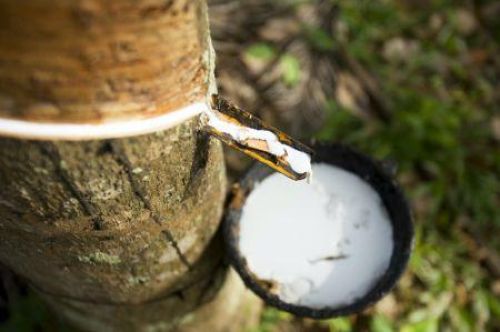
Under the proposed agreement, Mainland intends to establish rubber processing facilities in Liberia, a move aligned with the government’s broader strategy of reducing dependence on exports of raw agricultural commodities while expanding local industrial processing capacity.
Liberia remains heavily reliant on primary commodity exports, with natural rubber continuing to serve as the country’s leading agricultural export product. However, much of the sector’s economic value has historically been captured outside the country through overseas processing and manufacturing, limiting domestic industrial development and employment generation.
The investment proposal also includes a contract farming model aimed at linking smallholder rubber producers directly to processing operations. Officials say the arrangement could improve market access, stabilise incomes and strengthen rural livelihoods by creating more predictable supply chains for farmers who have often faced volatile prices and weak commercial support systems.
“Our priority is to build agricultural value chains that directly benefit Liberian farmers. This investment represents opportunity, stability, and long-term economic empowerment for thousands of rubber-producing households across Liberia,”Agriculture Minister Alexander Nuetah said.
The Liberian government has not yet disclosed details regarding the locations of the proposed processing facilities or the implementation timeline. However, analysts say the project could help revive interest in rubber cultivation among smallholder farmers at a time when production volatility and fluctuating international prices have weakened investment confidence in the sector.
Rubber remains central to Liberia’s agricultural economy and export structure. According to data from the Central Bank of Liberia (Central Bank of Liberia), natural rubber exports generated nearly $115 million in 2025, making the commodity one of the country’s largest sources of agricultural foreign exchange earnings.
Despite its strategic importance, the sector continues to face structural challenges linked to aging plantations, limited processing infrastructure, fluctuating global prices and declining output among small-scale producers. Central bank data show that Liberia’s natural rubber production fell by 2.3 percent in 2025 to 73,769 tons, partly due to lower yields among smallholder farmers. Over a longer period, however, output has increased by more than 14 percent since 2022, indicating underlying growth potential despite periodic setbacks.
The proposed investment comes as Liberia intensifies efforts to reposition agriculture as a driver of economic diversification and rural development. Under the country’s 2024-2030 National Agriculture Development Plan, the government aims to establish 20,000 hectares of new rubber plantations for smallholder farmers while rehabilitating an additional 10,000 hectares of aging plantations.
These targets form part of a broader strategy to strengthen agricultural productivity, improve food security and expand export-oriented value chains in sectors viewed as capable of generating employment and foreign exchange earnings. Agriculture remains a major employer in Liberia, supporting the livelihoods of a large share of the population, particularly in rural areas where poverty rates remain high and formal employment opportunities are limited.
The focus on local processing also reflects a wider trend across African commodity-exporting economies, where governments are increasingly attempting to capture more value domestically from raw material production. Similar strategies are emerging in cocoa, coffee, cashew and cotton sectors across the continent as policymakers seek to reduce dependence on volatile commodity exports and expand manufacturing activity.
However, achieving those objectives remains challenging due to infrastructure deficits, high energy costs, limited access to finance and weak industrial logistics systems. In Liberia, persistent constraints in transport infrastructure, electricity access and rural market connectivity continue to affect agricultural competitiveness and industrial development.
For foreign investors, Liberia’s rubber industry offers both opportunities and risks. The country possesses favourable agro-climatic conditions for rubber cultivation and has a long history of commercial production dating back to the early twentieth century. Yet investors must also navigate challenges related to land governance, infrastructure limitations and exposure to fluctuations in global rubber demand, particularly from major manufacturing markets in Asia.
Global rubber markets themselves are undergoing structural changes as the automotive industry transitions toward electric vehicles and sustainability standards increasingly shape commodity sourcing requirements. Demand for sustainably produced natural rubber is expected to grow, particularly as manufacturers face pressure to strengthen supply chain traceability and reduce environmental impacts.
For Liberia, integrating smallholder farmers into more formalised value chains could improve resilience and increase the sector’s ability to meet evolving international market standards. Contract farming systems may also provide producers with access to technical support, stable buyers and potentially improved financing mechanisms, although such arrangements have historically produced mixed outcomes across African agricultural sectors depending on pricing structures and governance frameworks.

https://www.aecweek-registration.com/2026/?repid=
The Mainland investment proposal therefore represents more than a commercial transaction. It reflects a broader attempt by Liberia to reposition its agricultural sector within global value chains while strengthening domestic industrial capacity and rural economic participation.
Whether the project delivers long-term economic benefits will likely depend on how effectively it balances commercial viability with smallholder inclusion, infrastructure development and sustained market access. For Liberia’s government, the initiative also serves as a test of its wider strategy to attract productive investment capable of supporting economic diversification in a commodity-dependent economy facing ongoing fiscal and development pressures.


