


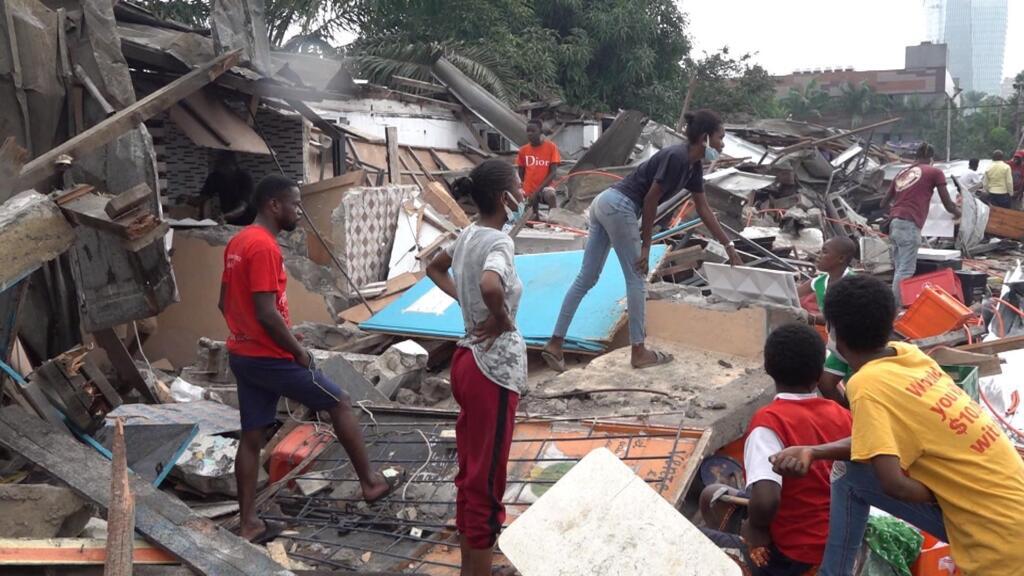
Authorities in Côte d’Ivoire have intensified demolition operations in the Vridi 3 district near the Port of Abidjan, displacing hundreds of residents as part of a government-led effort to remove structures deemed unsafe and vulnerable to flooding. The operation, which officials say is necessary to improve urban planning and reduce disaster risks, has triggered criticism from affected communities who argue that inadequate resettlement support has left many families facing an uncertain future.
The latest demolitions underscore a broader challenge confronting rapidly urbanising African cities: how to balance infrastructure development, climate resilience and public safety with the social and economic realities facing low-income urban populations. As Abidjan continues to expand, authorities are under increasing pressure to address informal settlements located in environmentally sensitive areas while ensuring that development policies do not deepen housing insecurity.
Government officials maintain that residents were notified months in advance and that the clearance of unregulated settlements is necessary to reduce exposure to flooding and other hazards. The operation forms part of wider efforts to modernise urban infrastructure in Abidjan, a city whose population is estimated at between six and seven million people and continues to grow as migration from rural areas accelerates.
Residents, however, contest claims that sufficient notice and support were provided. Many displaced families report difficulties securing alternative accommodation amid rising rental prices and limited affordable housing options. According to affected residents, rents ranging from 150,000 to 250,000 CFA francs place formal housing beyond the reach of many households already struggling with employment insecurity and rising living costs.
 The dispute reflects a recurring dilemma across Africa’s fast-growing urban centres. Governments are increasingly investing in infrastructure, transport networks, flood management systems and urban renewal programmes to improve economic competitiveness and climate resilience. Yet these projects often intersect with informal settlements that have emerged in response to housing shortages, weak planning systems and rapid population growth.
Abidjan occupies a strategic position within West Africa’s economy. As home to one of the region’s busiest ports, the city serves as a critical logistics, trade and financial hub linking Côte d’Ivoire to neighbouring countries. Continued urban expansion places significant demands on transport systems, drainage infrastructure, sanitation services and land management frameworks. According to urban development specialists, unmanaged growth can increase vulnerability to flooding, disrupt economic activity and impose substantial costs on public finances.
Climate considerations have added urgency to these concerns. Coastal cities across Africa face increasing exposure to extreme weather events, rising sea levels and heavier rainfall linked to climate variability. Informal settlements located near waterways, lagoons and flood-prone zones often bear the greatest risks. Governments therefore face growing pressure to strengthen urban resilience while protecting vulnerable populations from environmental hazards.
However, development economists note that relocation policies require careful implementation to avoid creating new socioeconomic challenges. Displacement without adequate compensation, affordable housing alternatives or livelihood support can increase poverty risks, disrupt local economies and place additional pressure on public services. In many cases, displaced households move into other informal settlements, transferring rather than resolving underlying vulnerabilities.
The situation in Abidjan also highlights the importance of integrating housing policy into broader development planning. According to regional urbanisation studies, Africa’s urban population is expected to grow significantly over the coming decades, making access to affordable housing one of the continent’s most pressing development challenges. Failure to address housing shortages could undermine efforts to promote inclusive economic growth and sustainable urbanisation.
For Côte d’Ivoire, one of West Africa’s fastest-growing economies, managing urban expansion effectively will be central to maintaining economic momentum. Infrastructure investments, flood mitigation programmes and urban redevelopment projects are expected to remain priorities as authorities seek to support long-term growth and improve resilience. The effectiveness of these initiatives will depend not only on engineering and planning solutions but also on the ability to accommodate the needs of rapidly growing urban populations.
 The tensions emerging in Vridi 3 illustrate the complex trade-offs facing policymakers across Africa. Urban development, climate adaptation and disaster risk reduction are increasingly interconnected with housing affordability, social inclusion and economic opportunity. As cities continue to expand, governments will be challenged to ensure that efforts to modernise infrastructure and reduce environmental risks are accompanied by policies that protect livelihoods and support communities affected by redevelopment.
For many residents of Abidjan, the immediate concern remains securing shelter and stability. For policymakers, the broader question is how African cities can pursue sustainable urban transformation while ensuring that growth remains inclusive, resilient and economically viable. The answer will have implications not only for Côte d’Ivoire but for rapidly urbanising economies across the continent.


