


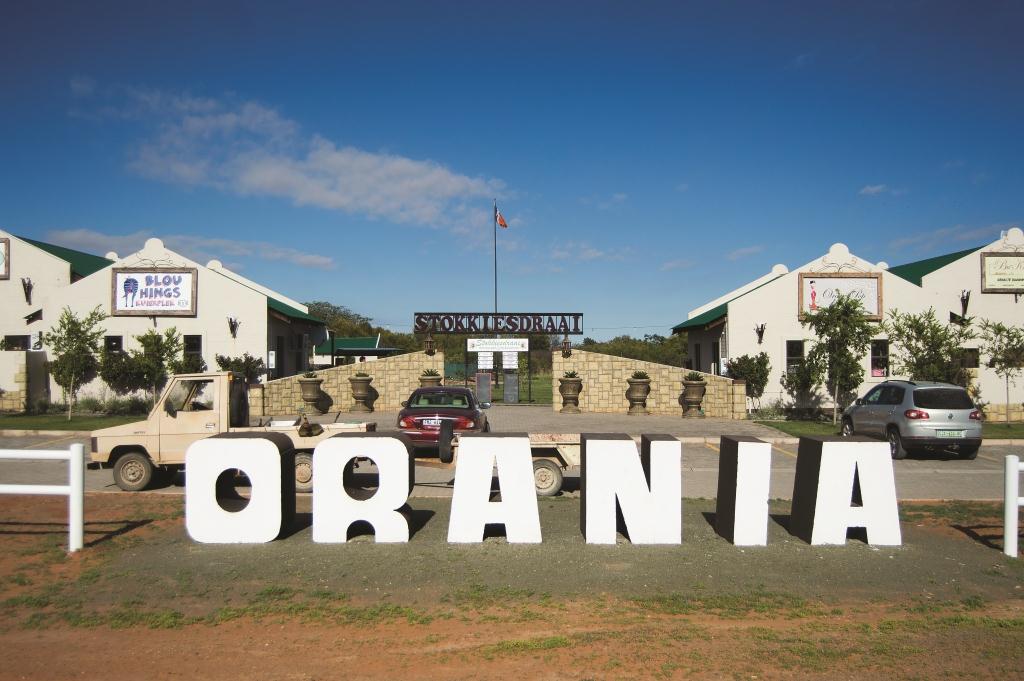
A growing number of young Afrikaners are relocating to Orania, South Africa’s self-governing Afrikaner enclave in the Northern Cape, as the town experiences renewed population growth driven by cultural identity, lower living costs and expanding educational opportunities. Thirty-five years after its establishment, the whites-only settlement is attracting a new generation seeking community and economic stability amid broader national debates over inequality, social cohesion and the future of minority cultural identities in post-apartheid South Africa.
Founded in 1991, Orania has long occupied a unique and controversial position within South Africa’s social and political landscape. Established as a settlement for Afrikaners seeking to preserve their language, culture and traditions, the town now has a population of just over 3,000 residents. While small in comparison to South Africa’s estimated 2.6 million Afrikaners, Orania has increasingly become a focal point in discussions about identity, belonging and demographic change.
Recent accounts from residents suggest that younger Afrikaners are playing a growing role in the town’s development. Many are either returning after spending time in larger urban centres or relocating from other parts of the country. For some, rising living costs in major cities such as Cape Town, Johannesburg and Pretoria have influenced the decision. Others cite a desire to live in a community where Afrikaans language and cultural traditions remain central to daily life.
The trend reflects broader economic pressures affecting South Africa. High unemployment, rising housing costs and persistent concerns over public service delivery continue to shape migration patterns across the country. While internal migration is often associated with movement toward metropolitan areas, Orania’s experience illustrates how some communities are drawing residents through a combination of affordability, social networks and shared cultural identity.
A key factor behind the town’s recent growth has been the expansion of educational infrastructure. The establishment of a vocational training college (Bo-Karoo Opleiding) in 2019 has attracted students from across South Africa, offering programmes in engineering, technical trades and other skills-based disciplines. According to town representatives, the institution currently enrols approximately 250 students and plans to expand significantly in the coming years.
 The investment in education highlights an important development dynamic often overlooked in discussions about small settlements. Skills training institutions can generate local economic activity, support service businesses and strengthen community resilience, even in areas with limited industrial or commercial bases. Students contribute to demand for housing, retail services and local enterprises, helping diversify economic activity beyond traditional sectors.
At the same time, Orania faces structural constraints. Employment opportunities remain limited, and many graduates are expected to seek work elsewhere after completing their studies. The nearest major town, Hopetown, is approximately 40 kilometres away, underscoring the geographic isolation that continues to shape the settlement’s economic prospects.
The growth of Orania also reflects wider global and regional debates around identity politics and cultural preservation. Across many societies, communities are grappling with questions about integration, heritage and social belonging. In South Africa, these discussions carry particular significance given the country’s history of apartheid and the ongoing effort to build a democratic society founded on inclusion and equality.
Read also: https://hypocritereader.com/4/valley-of-the-afrikaners
The appeal of Orania to some younger Afrikaners emerges against a backdrop of broader demographic and social change. South Africa remains one of the world’s most unequal countries, with economic opportunity and public services often varying significantly across regions and communities. For some residents, the enclave offers a sense of predictability and local control that they believe is increasingly difficult to find elsewhere.
However, critics argue that the existence of ethnically exclusive communities raises important questions about social cohesion and nation-building. South Africa’s constitutional framework promotes non-racialism and equal citizenship, principles that remain central to the country’s democratic identity. The continued growth of culturally exclusive settlements therefore attracts attention not only for what it says about minority communities but also for what it reveals about broader social and economic anxieties.
 From a development perspective, the story of Orania highlights the complex relationship between identity, economic opportunity and local governance. Communities across Africa are increasingly seeking ways to balance cultural preservation with participation in national economies and institutions. Whether in rural settlements, rapidly expanding cities or autonomous local initiatives, questions of identity and belonging continue to influence migration decisions and economic choices.
For South Africa, the emergence of a new generation choosing to settle in Orania offers insight into how cultural identity, affordability and community structures are shaping demographic trends. While the settlement remains a small part of the national population, its growth reflects broader conversations about social trust, economic security and the evolving meaning of community in a country still navigating the legacy of its past while confronting the challenges of its future.


