


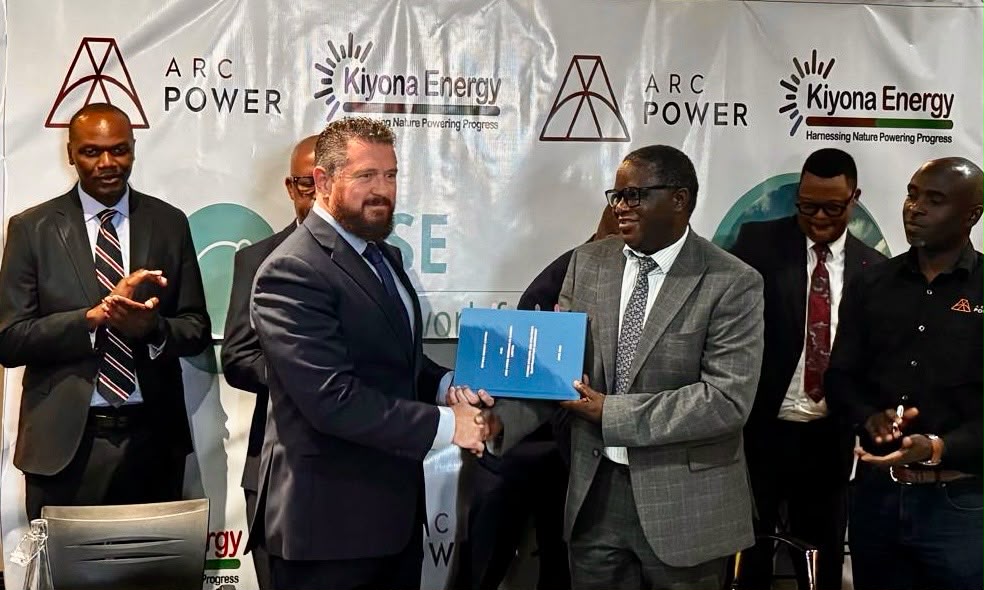
Zambia has secured an initial $60 million solar energy investment through a new partnership between local energy developer ARC Power and Kiyona Energy, marking another step in the country’s efforts to diversify its electricity mix and strengthen resilience against climate-related disruptions that have exposed the vulnerabilities of its hydropower-dependent energy system. The agreement, announced on June 11, will support the development of solar power infrastructure across Zambia as the Southern African nation accelerates investment in renewable energy to improve energy security, expand electricity access and reduce reliance on hydropower, which currently accounts for around 80% of national electricity generation.
The project forms the first phase of a broader long-term programme designed to expand clean energy deployment nationwide.
“This is not a one-off project but the first phase of a long-term programme designed to accelerate the deployment of clean and reliable electricity nationwide,” said Karl Boyce, Chief Executive Officer of ARC Power.
The investment comes at a critical time for Zambia’s energy sector. Prolonged drought conditions in recent years have significantly reduced water levels in major reservoirs, limiting hydropower generation capacity and highlighting the need for a more diversified and climate-resilient electricity system. Central to the partnership is ARC Power’s Future Utility & Strategic Electrification (FUSE) financing model, an approach designed to overcome one of the most persistent barriers to infrastructure development across Africa: limited access to capital.
Under the model, ARC Power assumes responsibility for designing, financing and constructing energy infrastructure before transferring ownership to public utilities or government entities. The assets can subsequently be transferred through long-term repayment arrangements or operated under power purchase agreements that can extend for up to 20 years. By reducing the requirement for immediate public-sector funding, the model seeks to accelerate infrastructure deployment while easing fiscal pressures on governments seeking to expand electricity access and modernise power systems.

ARC Power said the financing structure aligns closely with the objectives of Mission 300, the continent-wide electrification initiative backed by the World Bank and the African Development Bank that aims to expand energy access to millions of Africans through innovative financing mechanisms and private-sector participation. The latest agreement also reflects growing investor confidence in Zambia’s solar energy sector, which has witnessed a surge in activity over the past two years.
Several major projects have either been commissioned, financed or launched since 2025, including the 136-megawatt Itimpi II solar plant, the 100-megawatt Chisamba Solar Park and its planned second phase, the 100-megawatt Siavonga solar project and a 22-megawatt facility developed by Kiyona Energy for the Natural Resources Development College. These investments are increasingly viewed as essential to supporting Zambia’s long-term energy security objectives while helping the country adapt to the growing impacts of climate change.
Hydropower has historically formed the backbone of Zambia’s electricity system, providing relatively low-cost power and supporting industrial growth. However, recurring droughts across Southern Africa have exposed the risks associated with heavy dependence on a single energy source, prompting policymakers to prioritise alternative renewable technologies. Solar energy has emerged as a key component of that transition. Zambia benefits from high solar irradiation levels throughout much of the year, creating favourable conditions for utility-scale solar development and distributed renewable energy solutions.
https://www.aecweek-registration.com/2026/
Beyond strengthening grid reliability, expanding solar generation could also support broader economic development objectives by attracting investment, creating jobs, improving energy access and reducing disruptions to industries that depend on reliable electricity supplies. As African countries increasingly seek to balance economic growth with climate resilience, Zambia’s latest solar investment highlights the growing role of innovative financing structures and private-sector partnerships in accelerating the continent’s energy transition.
With additional phases already anticipated under the ARC Power and Kiyona Energy partnership, the agreement could serve as a model for future renewable energy investments aimed at addressing infrastructure financing gaps while advancing Africa’s clean energy ambitions.


