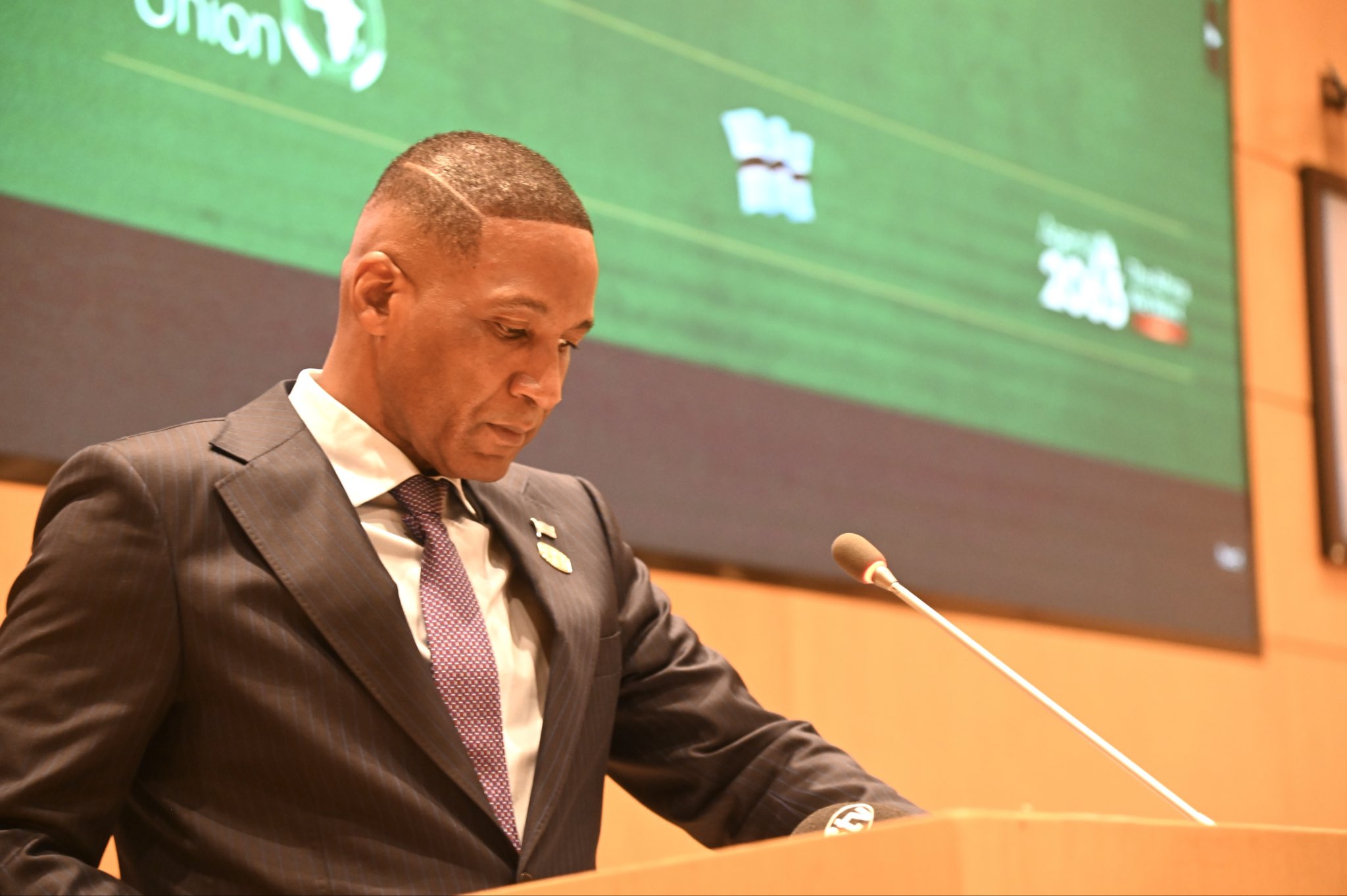

African heads of state warned at the 39th African Union Summit in Addis Ababa on February 17 that stalled progress and shrinking health budgets risk reversing two decades of gains against malaria, as a new continental report showed infections and deaths remain near historic highs.
The 2025 Africa Malaria Progress Report, presented by Botswana’s President Duma Boko in his capacity as chair of the African Leaders Malaria Alliance, recorded 270.8 million cases and 594,119 deaths across African Union member states in 2024, accounting for more than 95% of the global burden.
The report underscores that progress has plateaued since 2015, with only five member states meeting the African Union’s target of reducing malaria incidence or mortality by 75% by 2025 under the Catalytic Framework to End AIDS, TB and Eliminate Malaria by 2030.
According to the findings, a 30% reduction in malaria funding would translate into 640 million fewer insecticide-treated nets distributed, 146 million additional cases and nearly 400,000 additional deaths by 2030, three-quarters of them among children under five. The economic impact would be significant, with an estimated $37 billion in lost gross domestic product across the continent.
Read also: Defeat Malaria In A Generation – Here’s How
The warning comes amid a broader contraction in international health financing. Official development assistance for health in Africa has declined sharply in recent years, while the latest replenishment of the Global Fund fell short of its funding target. For many African governments already managing high debt burdens and fiscal consolidation programmes, malaria control competes with other pressing budgetary demands, from food security to energy subsidies.
Leaders at the summit called for a shift toward more sustainable financing anchored in domestic resource mobilisation and structured public-private partnerships. End Malaria Councils and Funds operating in 12 countries have mobilised more than $200 million to date, according to the report, illustrating attempts to broaden funding sources beyond traditional donors.
Heads of state also urged the World Bank to renew its Malaria Booster Programme, which between 2005 and 2010 committed over $1 billion to malaria control and supported large-scale distribution of bed nets and treatment.
Malaria remains both a public health and an economic issue for Africa. High transmission rates affect labour productivity, school attendance and household income, particularly in rural communities. According to health economists, sustained investment in prevention and treatment reduces long-term healthcare costs and supports economic stability in malaria-endemic regions.
The report also points to advances in technology and local capacity. In 2025, 74% of distributed insecticide-treated nets were next-generation dual active-ingredient nets, designed to counter insecticide resistance. Twenty-four countries have introduced World Health Organization-approved malaria vaccines for young children, with more than 28 million doses distributed during the year. Seasonal malaria chemoprevention campaigns are expanding, and two new spatial repellent products received WHO prequalification, marking the first new class of vector control tools in decades.
African leaders emphasised that strengthening local manufacturing will be critical to long-term health security. The continent currently imports the vast majority of its vaccines and medicines. Nigeria has initiated partnerships to produce antimalarial drugs and diagnostic tests domestically, while regulatory harmonisation under the African Medicines Agency aims to accelerate approval of new health commodities.
Despite technological progress, the financing gap remains central. According to modelling cited in the report, full funding and deployment of existing and pipeline tools could prevent more than 13 million deaths over 15 years and deliver substantial economic returns. Without sustained investment, however, the continent risks a resurgence in cases that would place further strain on already stretched health systems.

For African policymakers, the malaria challenge illustrates the intersection of health, fiscal management and development planning. As leaders seek to strengthen economic resilience and reduce external vulnerability, securing predictable financing for core public health programmes may prove as consequential as infrastructure or energy investments in shaping long-term growth.
Engage with us on LinkedIn: Africa Sustainability Matters