

On December 14, 2025, Azerbaijan and Kenya reaffirmed their growing cooperation on environmental protection and sustainable urban development during a diplomatic engagement in Nairobi that followed the conclusion of the seventh United Nations Environment Assembly (UNEA-7). The meeting, hosted by the Embassy of the Republic of Azerbaijan, brought together senior government officials, diplomats, Kenyan media, and sustainability stakeholders to reflect on global environmental commitments and outline areas for deeper bilateral collaboration.
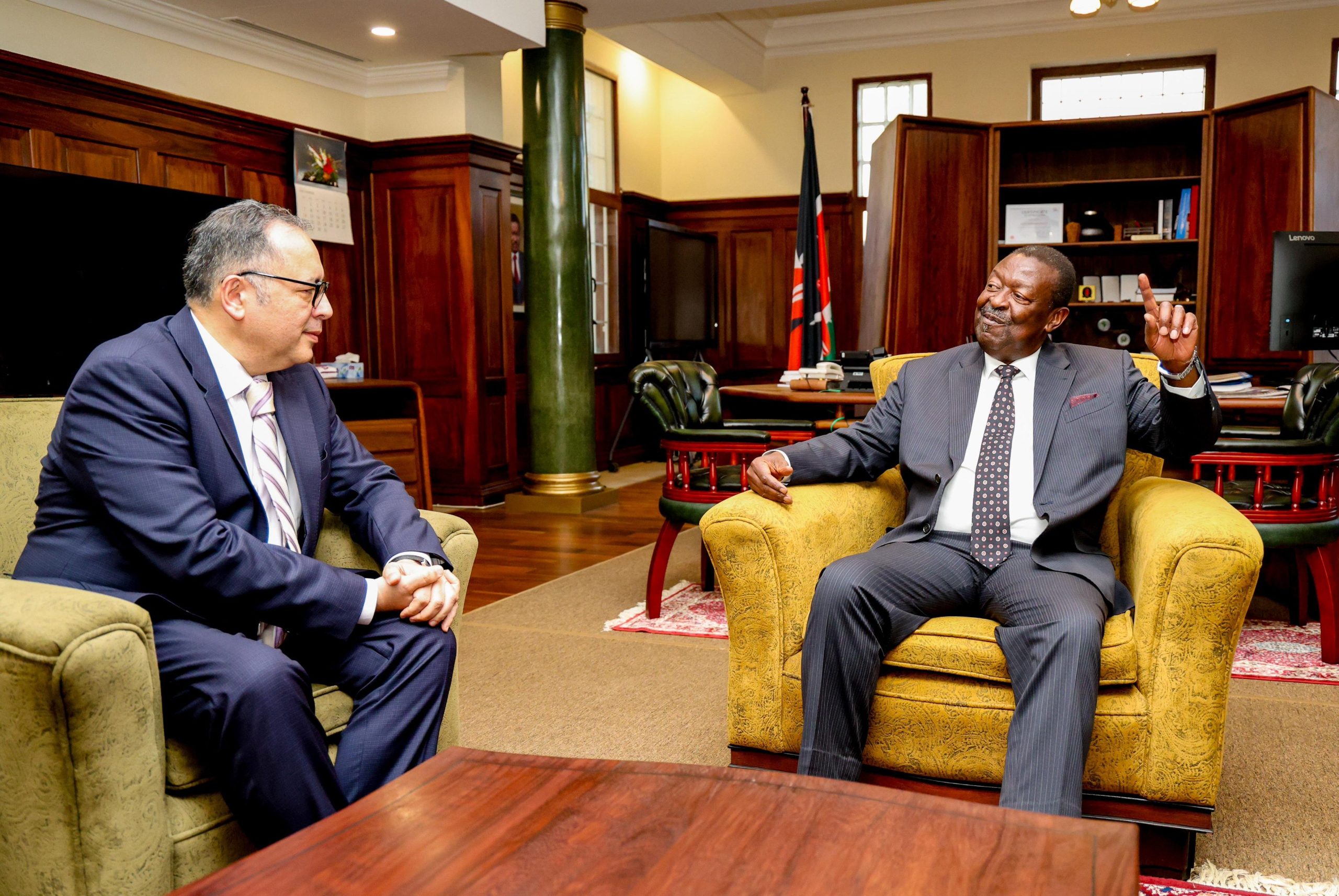
At the center of the engagement was Umaira Taghiyeva, Azerbaijan’s Deputy Minister of Ecology and Natural Resources, whose visit underscored Baku’s increasing engagement with multilateral environmental governance and partnerships with African countries. The discussions took place against the backdrop of UNEA-7, which convened representatives from 186 countries in Nairobi and adopted a series of resolutions on climate change, pollution, biodiversity loss, and sustainable resource management.
Read also: UNEP names five climate leaders as 2025 ‘Champions of the Earth’
The Nairobi reception was a working moment in an expanding relationship between two countries navigating similar development pressures. Kenya, like much of Africa, is balancing rapid urban growth, climate vulnerability, and infrastructure gaps, while Azerbaijan has positioned itself as an emerging convenor on global climate and urban issues following its hosting of COP29 in November 2024.
During the discussions, Azerbaijan highlighted its priorities around climate resilience, renewable energy deployment, water management, environmental innovation, and sustainable cities. These themes closely mirror Kenya’s own development agenda, particularly as the country faces mounting climate risks, including prolonged droughts, flooding, and pressure on urban infrastructure in cities such as Nairobi, Mombasa, and Kisumu.

Kenya’s urban population has grown from just under 20 per cent in the early 1990s to more than 30 per cent today, with projections showing continued acceleration. This growth has strained housing supply, transport systems, water services, and waste management, making sustainable urban planning a central policy concern. Similar pressures are evident across Africa, where the UN estimates that cities will absorb nearly 80 per cent of population growth over the next 25 years.
The Nairobi engagement also looked ahead to the 13th World Urban Forum (WUF13), scheduled to take place in Baku from May 17 to 22, 2026. Co-organized by the Government of Azerbaijan and UN-Habitat, the forum will focus on housing, resilient cities, and inclusive urban development. For African countries, WUF13 is expected to provide a platform to address persistent challenges around informal settlements, infrastructure financing, and climate-resilient urban design.
Read also: The Gambia targets universal electricity access by 2026 through regional power and gas links
Africa is home to more than half of the world’s informal urban residents, with over 230 million people living in informal settlements. In Kenya alone, informal housing accounts for more than 60 per cent of Nairobi’s residential areas, often lacking access to basic services such as clean water, sanitation, and reliable energy. The upcoming forum is therefore seen as a timely opportunity for African policymakers to shape global conversations around urban equity and resilience.
Azerbaijan’s Ambassador to Kenya and Permanent Representative to UNEP and UN-Habitat, Sultan Hajiyev, noted that his country’s recent hosting of COP29, its active participation at UNEA-7, and its upcoming role as host of WUF13 reflect a deliberate strategy to engage more deeply in global environmental and urban governance. He said these platforms align closely with Kenya’s priorities, particularly in climate adaptation, sustainable urban planning, and inclusive development.
The bilateral engagement also pointed to practical areas of cooperation beyond diplomacy. Knowledge exchange on renewable energy integration, urban water systems, and climate-resilient infrastructure was highlighted as a shared interest. Kenya has rapidly expanded its renewable energy capacity over the past decade, with geothermal, wind, and solar now accounting for more than 90 per cent of installed electricity capacity, while Azerbaijan has been investing in energy diversification and green infrastructure as part of its post-oil transition strategy.

Environmental financing was another implicit thread in the discussions. African countries face an estimated annual climate finance gap of more than $200 billion, with cities among the most underfunded areas despite being on the front line of climate impacts. Partnerships that link policy dialogue with practical financing mechanisms are increasingly seen as essential to translating global commitments into local outcomes.
The Nairobi engagement did not result in formal agreements, but it reinforced a growing pattern of South-South cooperation centred on shared development realities rather than donor-recipient dynamics. As multilateral processes continue to shape environmental policy frameworks, bilateral relationships such as that between Azerbaijan and Kenya are becoming important channels for translating global agendas into regionally relevant action.
For Africa, the significance of such engagements lies less in diplomatic symbolism and more in the opportunities they create for policy learning, technical cooperation, and coordinated approaches to sustainability challenges. As climate risks intensify and urban populations grow, partnerships that bridge regions and experiences may prove as critical as global summits in shaping practical, on-the-ground solutions.
Engage with us on LinkedIn: Africa Sustainability Matters
Engage with us on LinkedIn: Africa Sustainability Matters